1. Home
  2. »
  3. Metal Stamping

Metal Stamping Services | Custom Precision Metal Stamping Parts

High-quality custom metal stamping services for automotive, electronics, and industrial applications. We provide precision stamping, sheet metal stamping, Metal Stretching, forming solutions and professional Metal Stamping Dies & Continuous Stamping Dies support, as well as deep drawing with fast lead times.
 

Certifications : ISO 9001:2015 | AS9100D | ITAR Registered

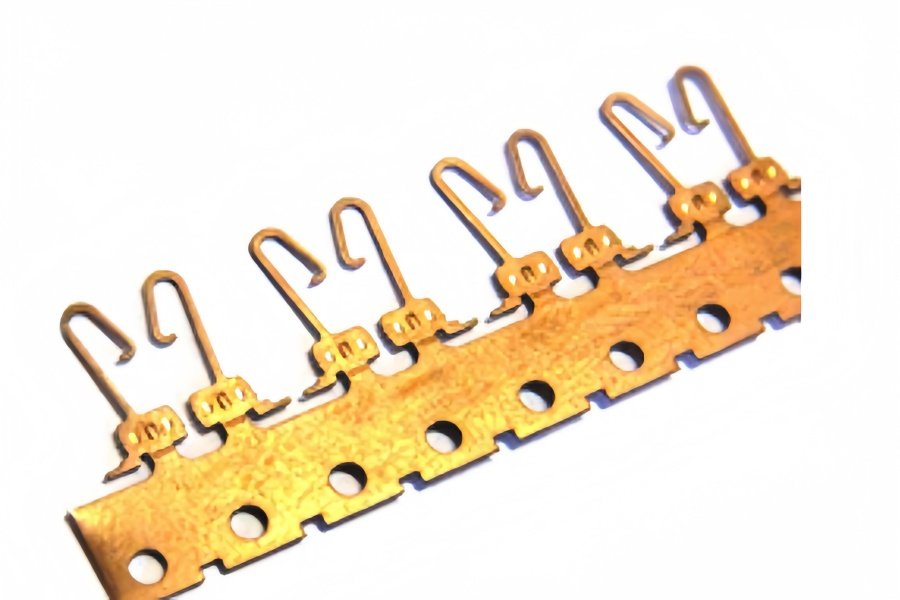
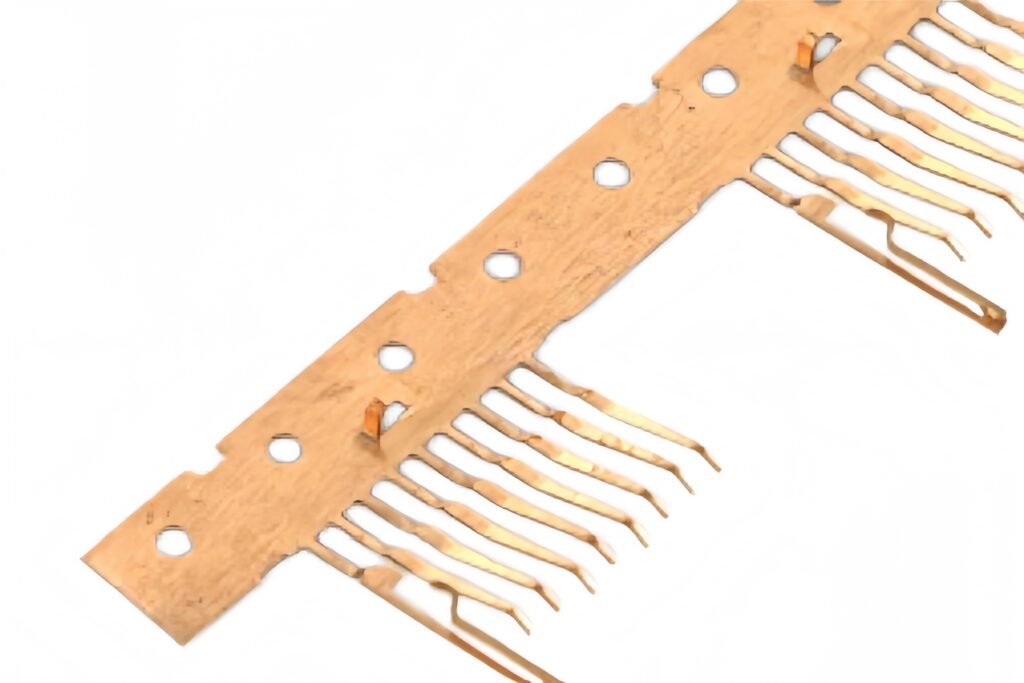
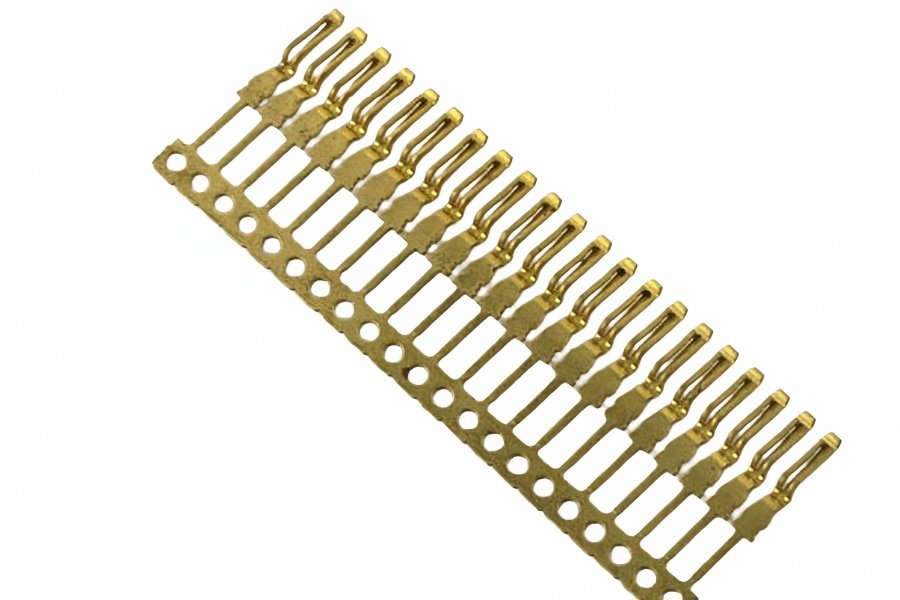
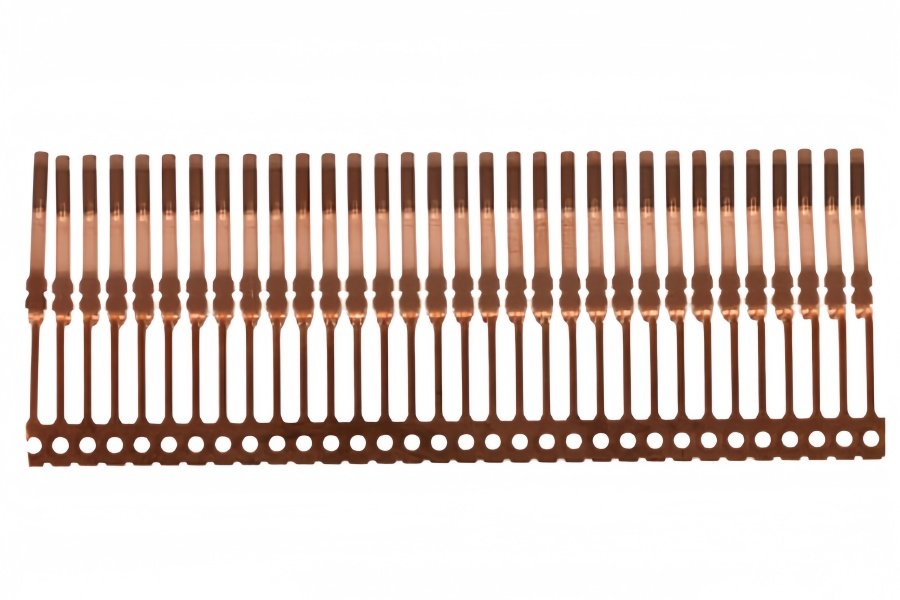
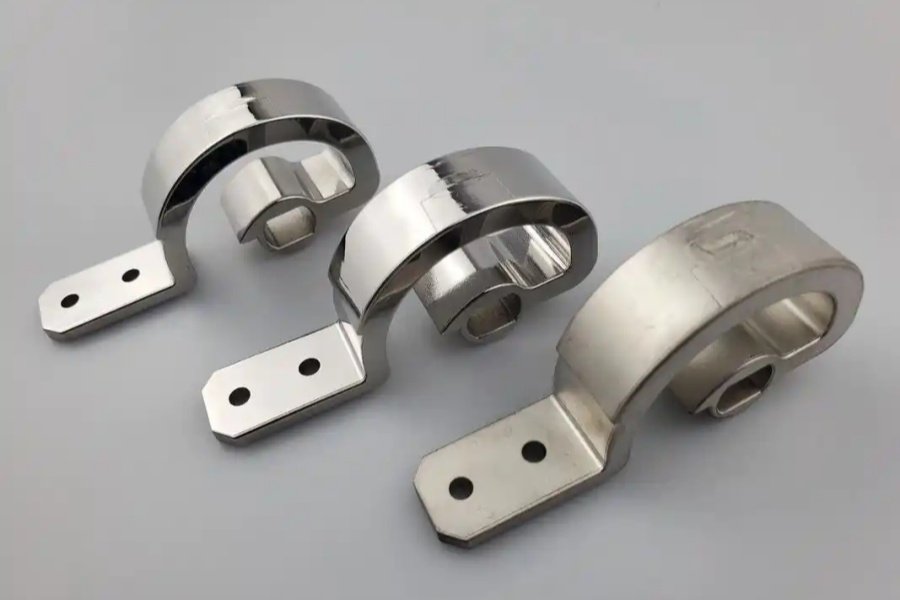
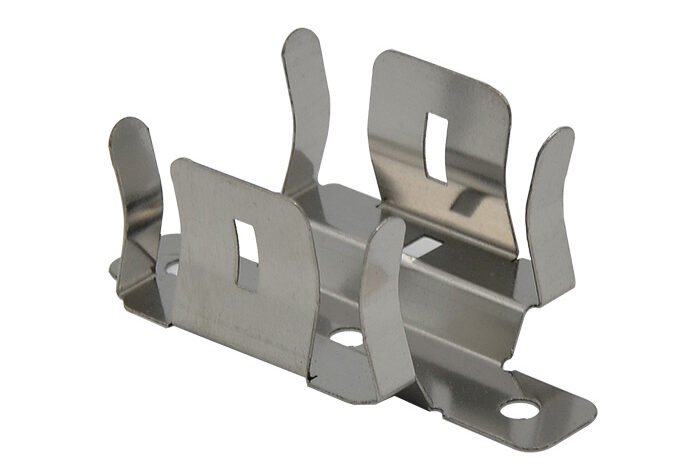
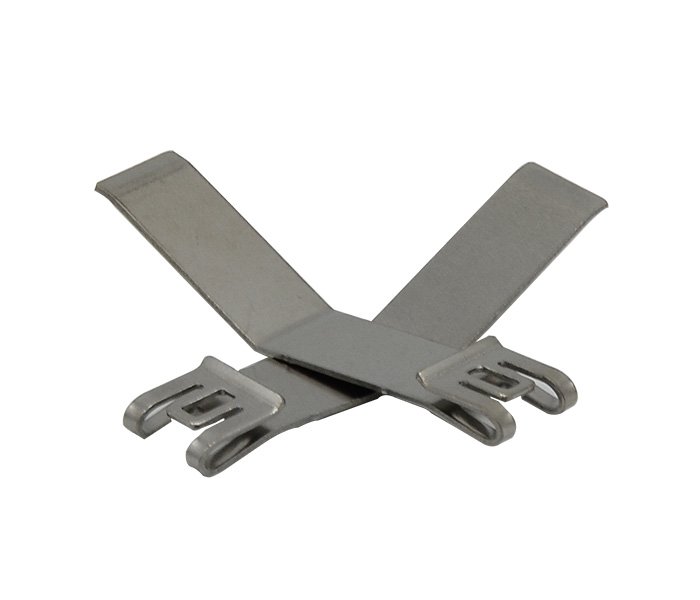
Metal Stamping9 Metal Stamping8 Metal Stamping1 Metal Stamping2

Why Choose Us for Custom & Sheet Metal Stamping

XML Precision Terminals

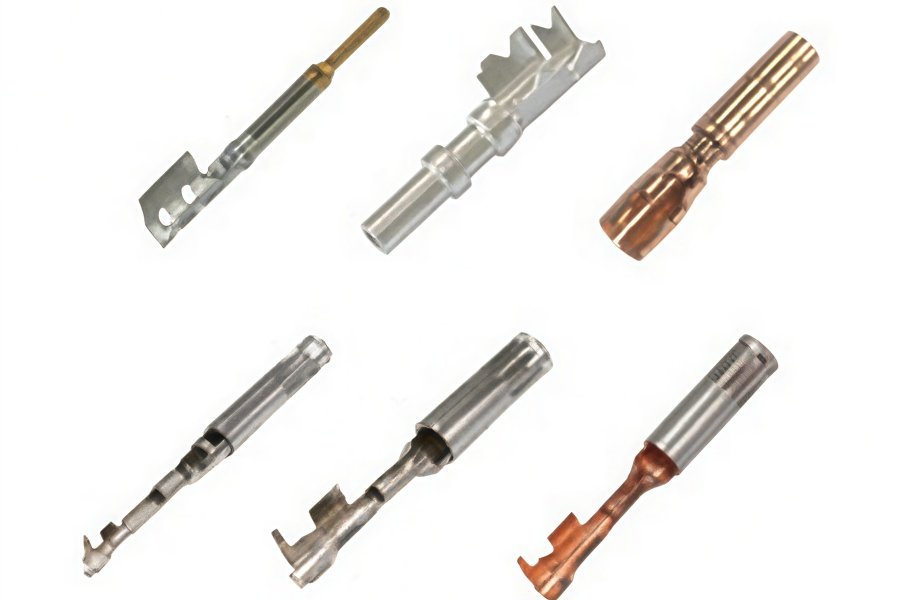
1. Terminal Definition

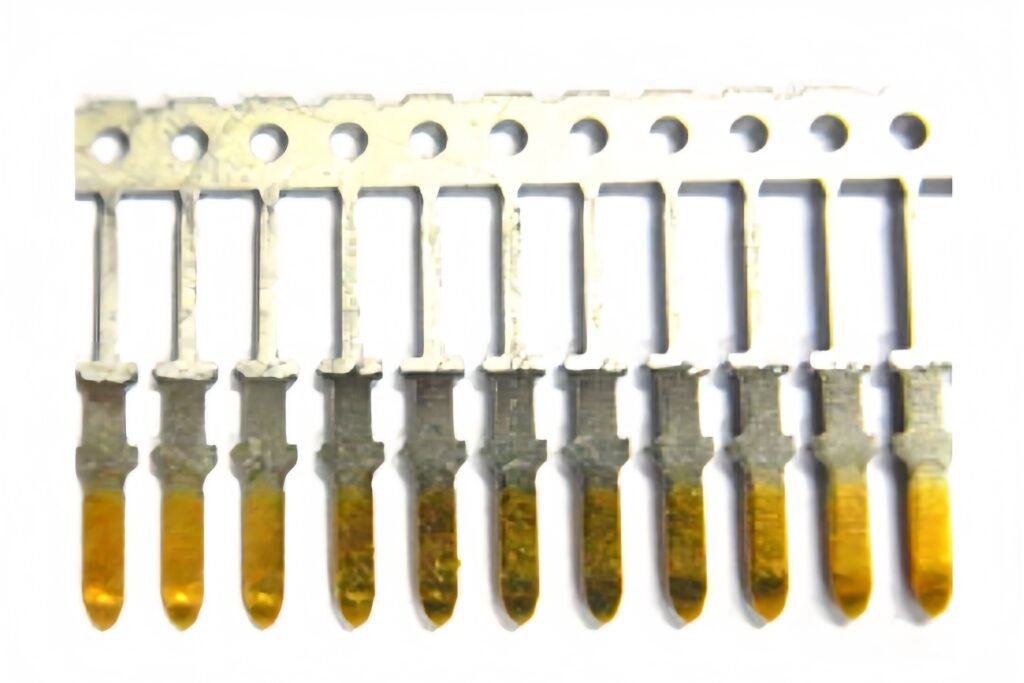
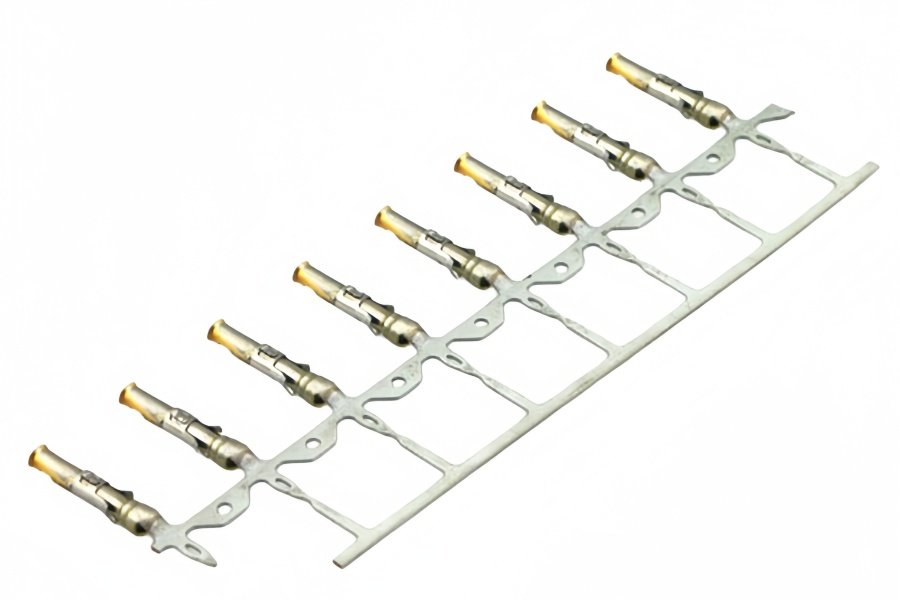
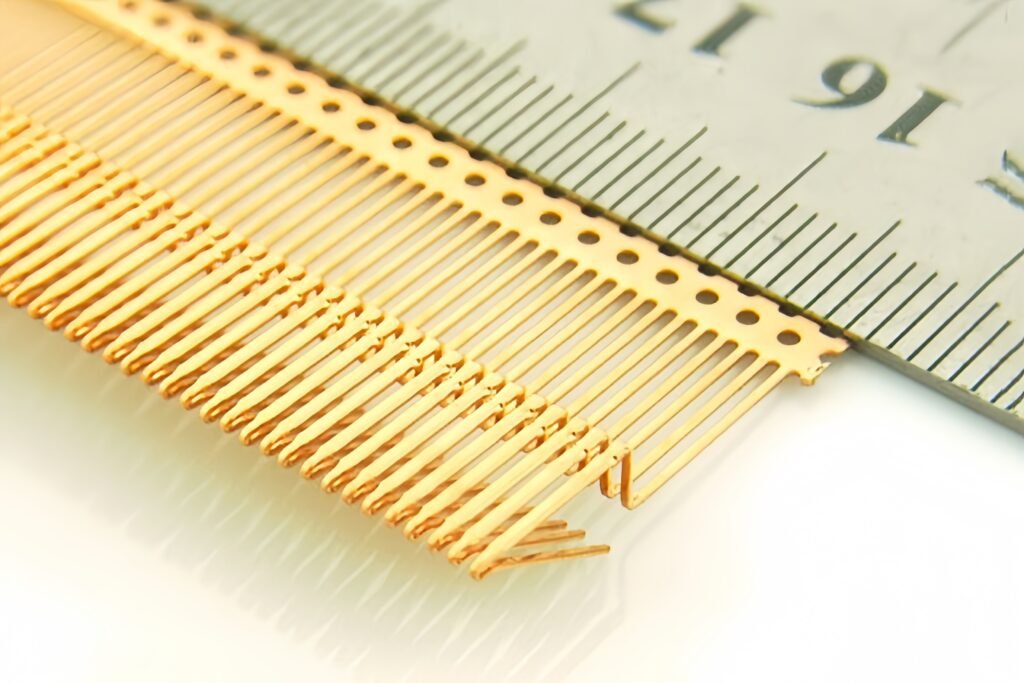
1.1 A terminal is a product manufactured from a copper alloy using high-speed continuous stamping dies or single-operation dies. It is the core component that enables the electrical connection function of a connector.

1.2 A contact pair typically consists of a male contact and a female contact. Electrical connection is established through the mating of these male and female contacts. The male contact is a rigid component.

1.3 Male contact parts are usually made of brass or phosphor bronze. The female contact part, also known as the socket, is the key component of the contact pair. It relies on its elastic structure to undergo elastic deformation when mated with the male contact, generating an elastic force that forms a tight seal with the male contact part to complete the connection.

2. Connector Shapes

2.1 Types include cylindrical, square, curved, cantilever, forked, branched, male-female integrated, shovel-shaped, and pin-type.

2.2 Reference Images

LVDS connector

LVDS connector

Micro-USB connector

Micro-USB connector

Computer motherboard memory slot connector

Computer motherboard memory slot connector

Card connectors

3. Terminal Materials

3.1 Commonly used metals include phosphor bronze, pure copper, bronze, brass, copper, and stainless steel.

4. Technical Features of Our Company

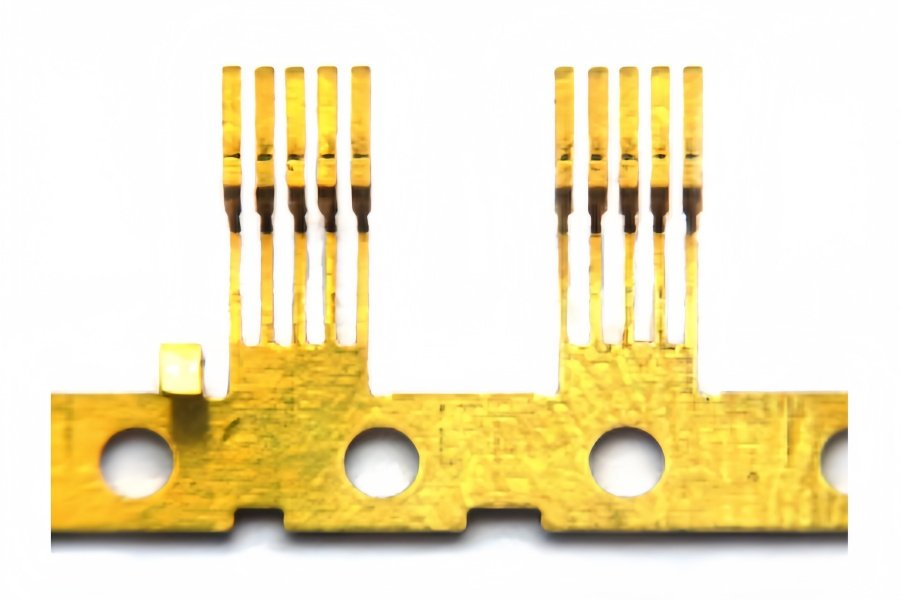
4.1 Development of Multi-Cavity Terminals: For example, with the 0DDR240P terminal, most companies only develop a 2×4 configuration (8 pins), whereas our company has developed a 2×8 configuration (16 pins). By adopting a plug-in mold structure, the material width has been reduced from 26.5 mm to 21.0 mm, increasing material yield from the standard 500 to 650. This effectively saves customers both material and time costs.

0DDR240P

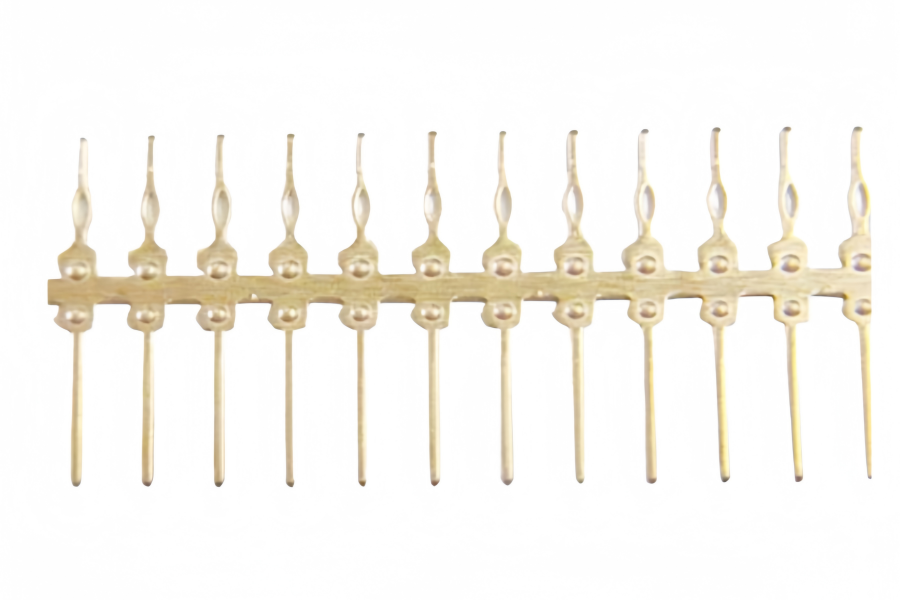
4.2 Development of Terminals with Small Pitch: While some companies have developed terminals with a pitch of 10 or more, our MINLPC terminals feature a pitch of 0.60 mm. This design saves a significant amount of material and greatly reduces the volume of the final product, enabling products to become increasingly compact
while achieving higher precision.

MINLPC

4.3 Development of Multi-Directional Feeding Terminals: Terminals developed by most companies can only be fed in one direction—from left to right—but our company’s +eadePn terminals can be fed from the left

Multi-Directional

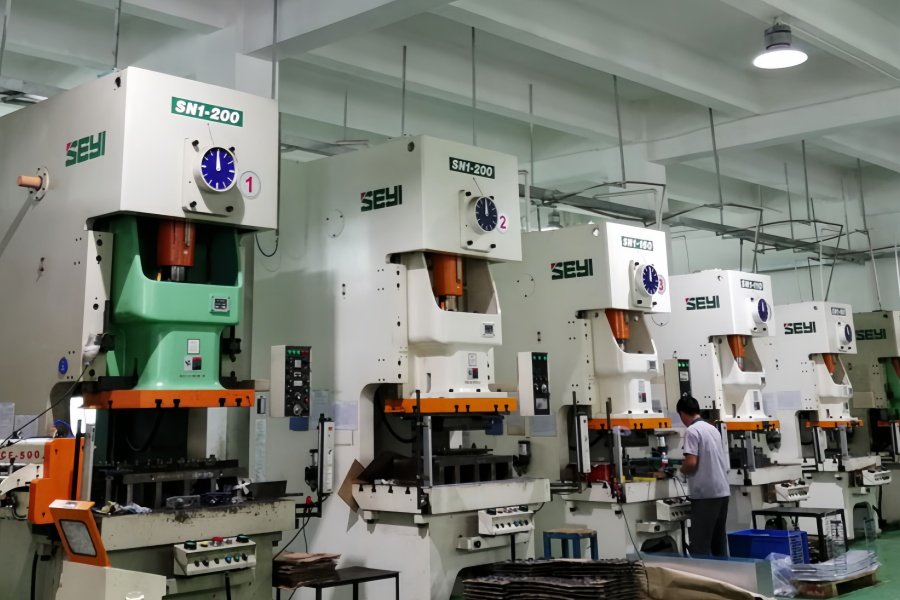
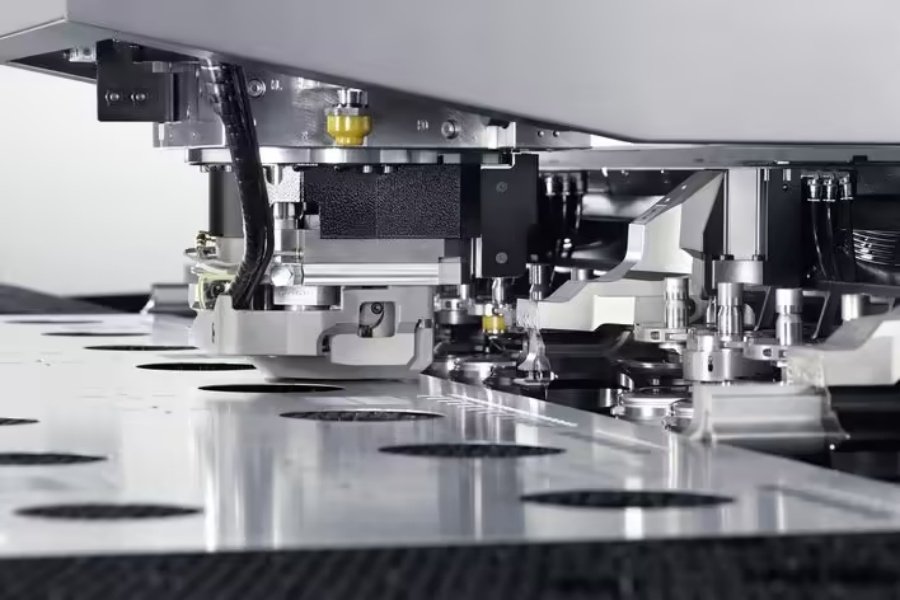
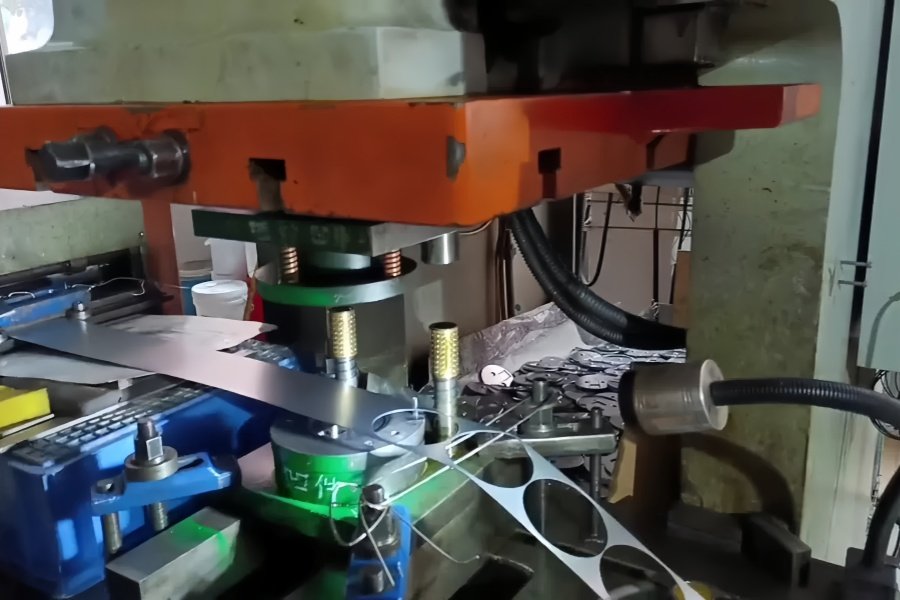
4.4 High-Speed Stamping: Currently, our stamping speed exceeds 1,000 strokes per minute, meaning a 16-cavity die can produce 12.5 million terminals per day.

Metal Stamping

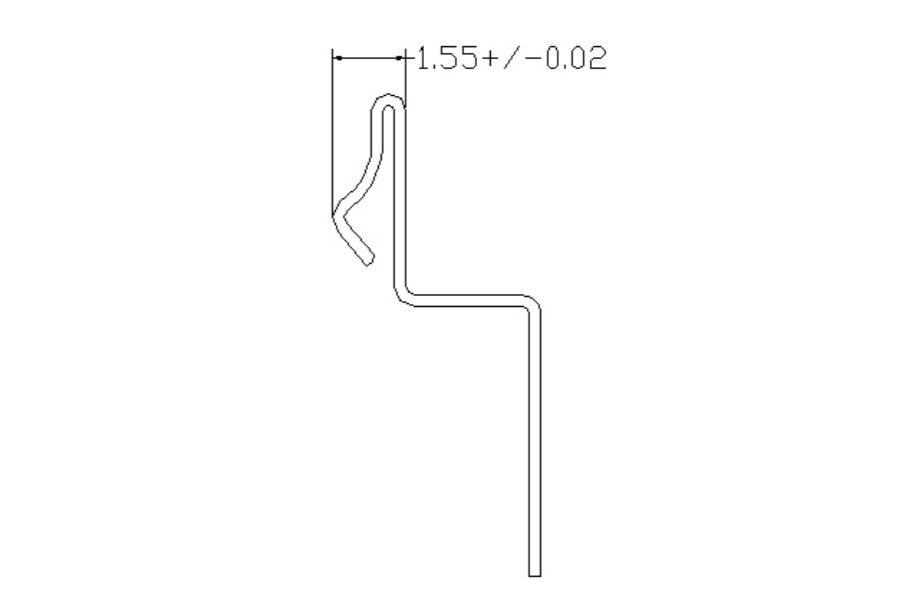
4.5 Tight Tolerance Control for Terminals: Standard terminal tolerances are typically within ±0.10 mm, with some applications requiring tighter tolerances of ±0.04 mm; however, our company can achieve ±0.02 mm. Such tolerances place extremely high demands on the dies.

4.6 Fish-Eye Contour Rounding: This process is highly complex, and most companies are unable to perform fish-eye contour rounding. We use computer-aided equipment to generate curves and employ mirror-finish EDM (electro-discharge machining). The surface is polished to an R30.40 radius, ensuring the product’s surface curvature is extremely uniform and will not scratch
PCB boards. This is highly beneficial for product performance.

Metal Stamping

4.7 90-Degree Terminal Twisting: Twisting the terminals 90 degrees within the mold is a highly complex and technically challenging process. We utilize a slider mechanism to form the terminals into a 90-degree angle along the direction of the slider’s movement, ensuring consistent quality in this forming method.

Metal Stamping

4.8 Multiple Complex Bending Operations: This process presents a very high degree of difficulty in the connector industry. We employ a dual-strip feeding mechanism into the die to connect one terminal to another.

Metal Stamping

4.9 Punching Thin Materials: While most companies process materials with thicknesses ranging from 15 mm to 0.50 mm, our company can process materials as thin as 0.8 mm. When processing such thin materials, the machining precision grade of the dies must be one level higher than usual.


4.10 Punching Thicker, Harder Materials: Generally, thicker and harder materials tend to wear down punches and cutting edges more easily. Therefore, we use high-quality die steel to process materials with a thickness of 0.8 mm or greater. HEJU


4.11 Excellent Surface Finish: For connectors, the better the surface finish of the contact area, the lower the contact resistance, the less surface wear, the more durable the product, and the more stable the signal transmission. The surface finish of the terminals we produce is bright and smooth, achieving a surface finish of over 95%.


4.12 Punch Width Less Than Material Thickness: When the punch width is less than the material thickness, the punch is highly prone to breaking. We have extensive solutions for such situations.


4.13 Minimal Terminal Burr Control: Generally, terminal burrs are controlled within 0.04 mm, but the terminals we produce can be controlled within 0.02 mm. This ensures that during assembly, the plastic is not scratched, and the gold-plated surface is not damaged when the terminals come into contact, thereby promoting stable electrical conductivity.
Metal Stamping, Sheet Metal Stamping & High-Speed Stamping

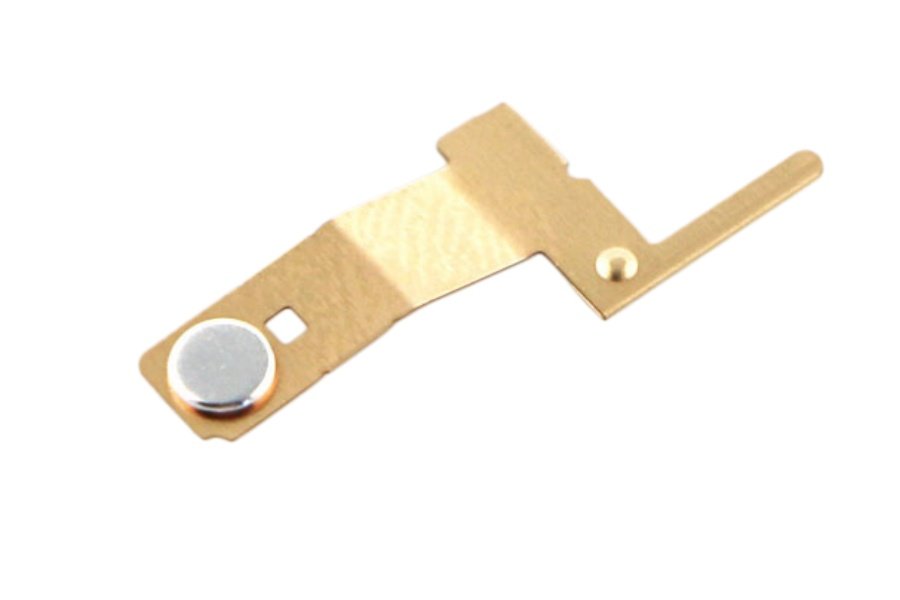
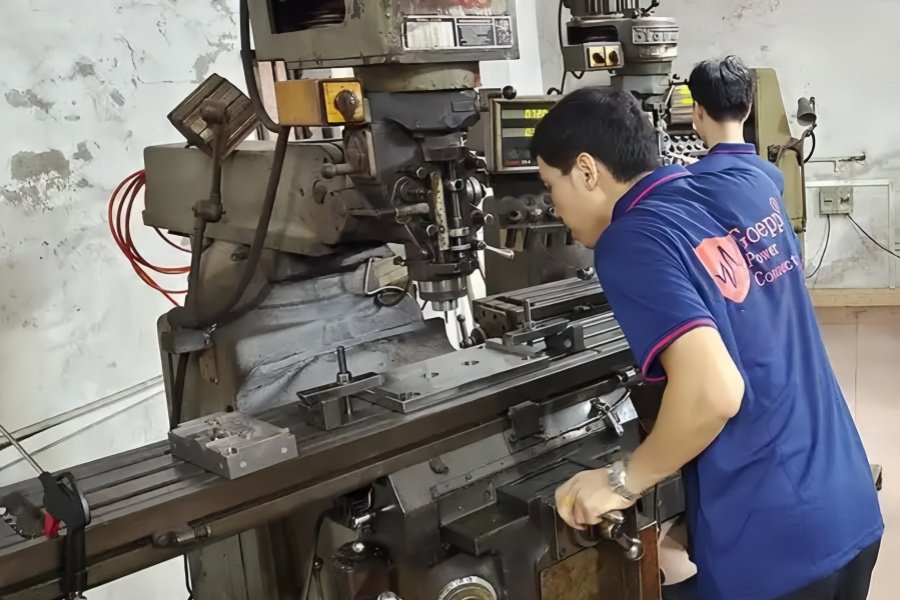
XML Technology Co., Ltd. not only specializes in high-speed stamping of precision terminals but also provides comprehensive mold design and manufacturing services for standard metal stamping. We can efficiently handle production of everything from small metal parts to large metal components, accommodating both small- and large-volume orders. Below is an overview of our production process:

Metal Stamping

Drawing Review & Mold Design

Conduct drawing verification, feasibility analysis, and provide optimized stamping mold design solutions.


Metal Stamping

Mold Fabrication & Trial Stamping

Manufacture stamping molds according to approved designs, then perform trial runs to validate quality.

Metal Stamping

3Material Procurement & Pre-Testing

Source qualified raw materials, conduct incoming inspections, and prepare standard test samples.

Metal Stamping

Mass Production & In-Process QC

Carry out high-volume stamping with dimensional accuracy checks every 50 parts.

Metal Stamping

Surface Treatment & Finishing

Apply required surface treatments (e.g., plating, coating) to meet corrosion and aesthetic standards.

Metal Stamping

Custom Packaging & Logistics Planning

Design customer-specific packaging and provide optimal logistics solutions for safe delivery.

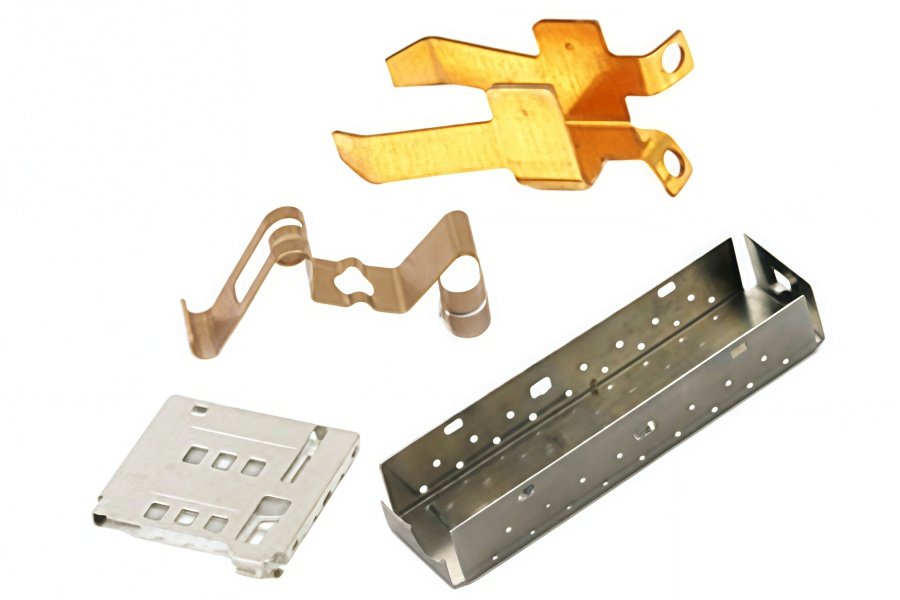
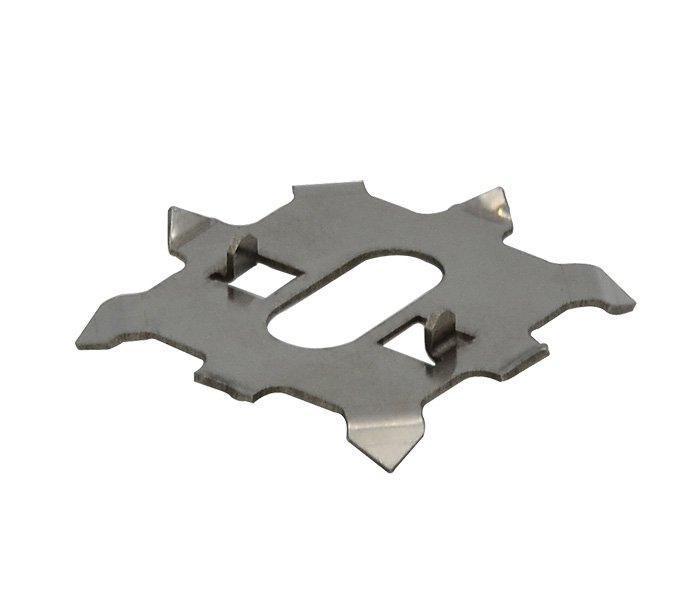
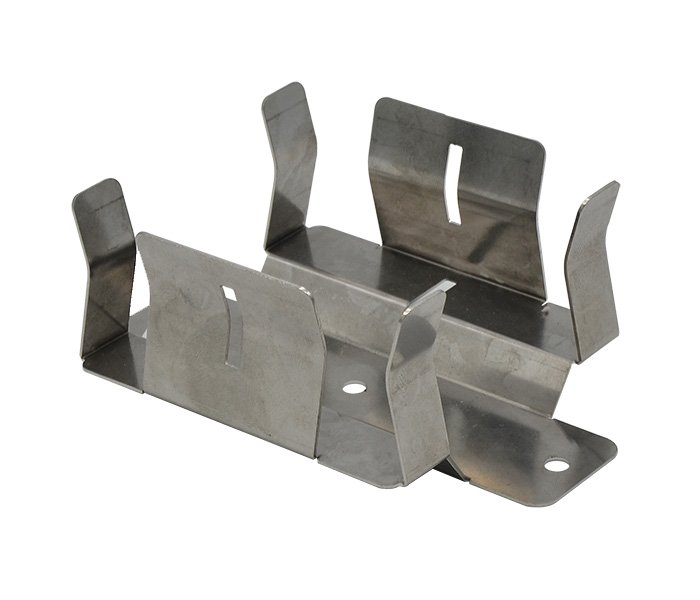
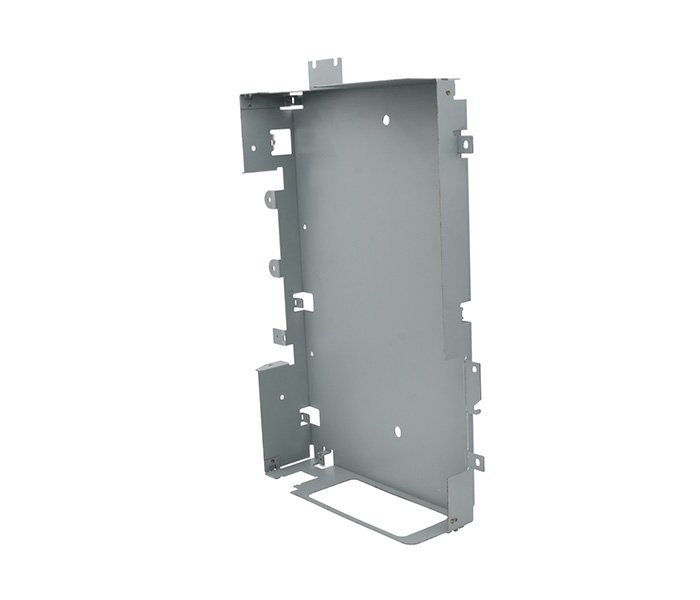
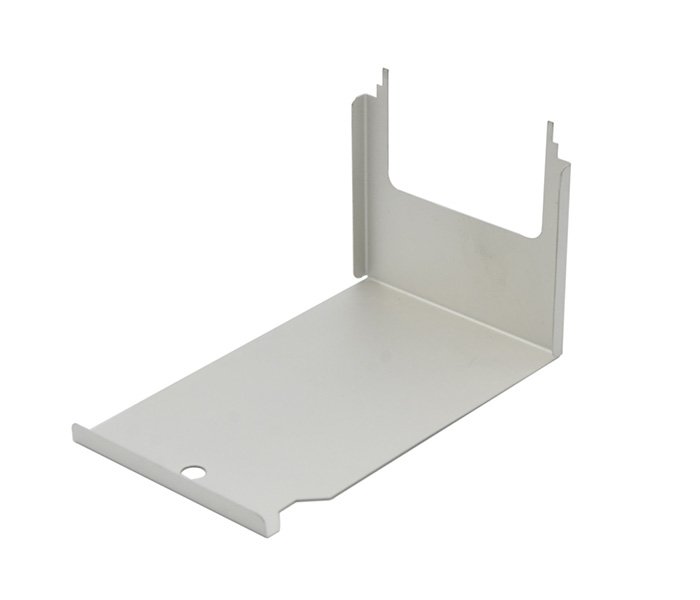
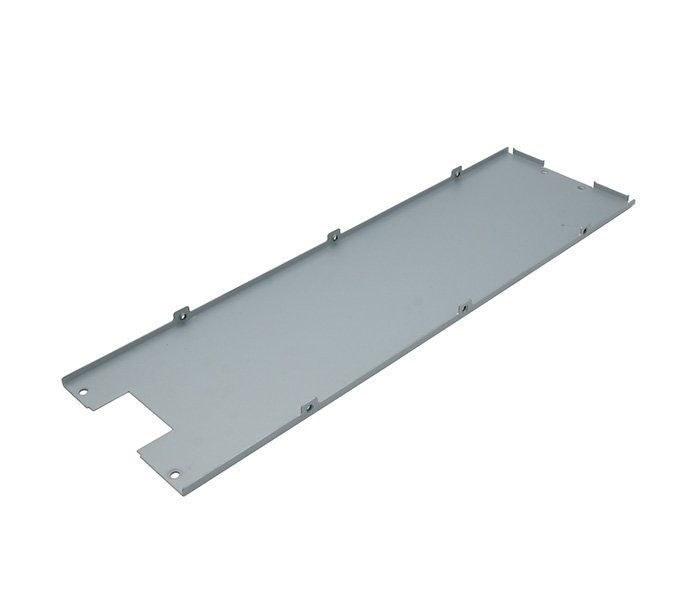
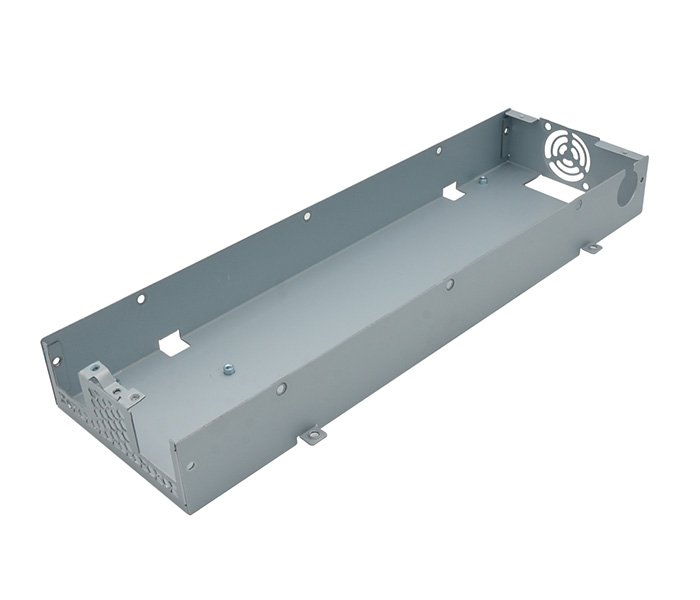
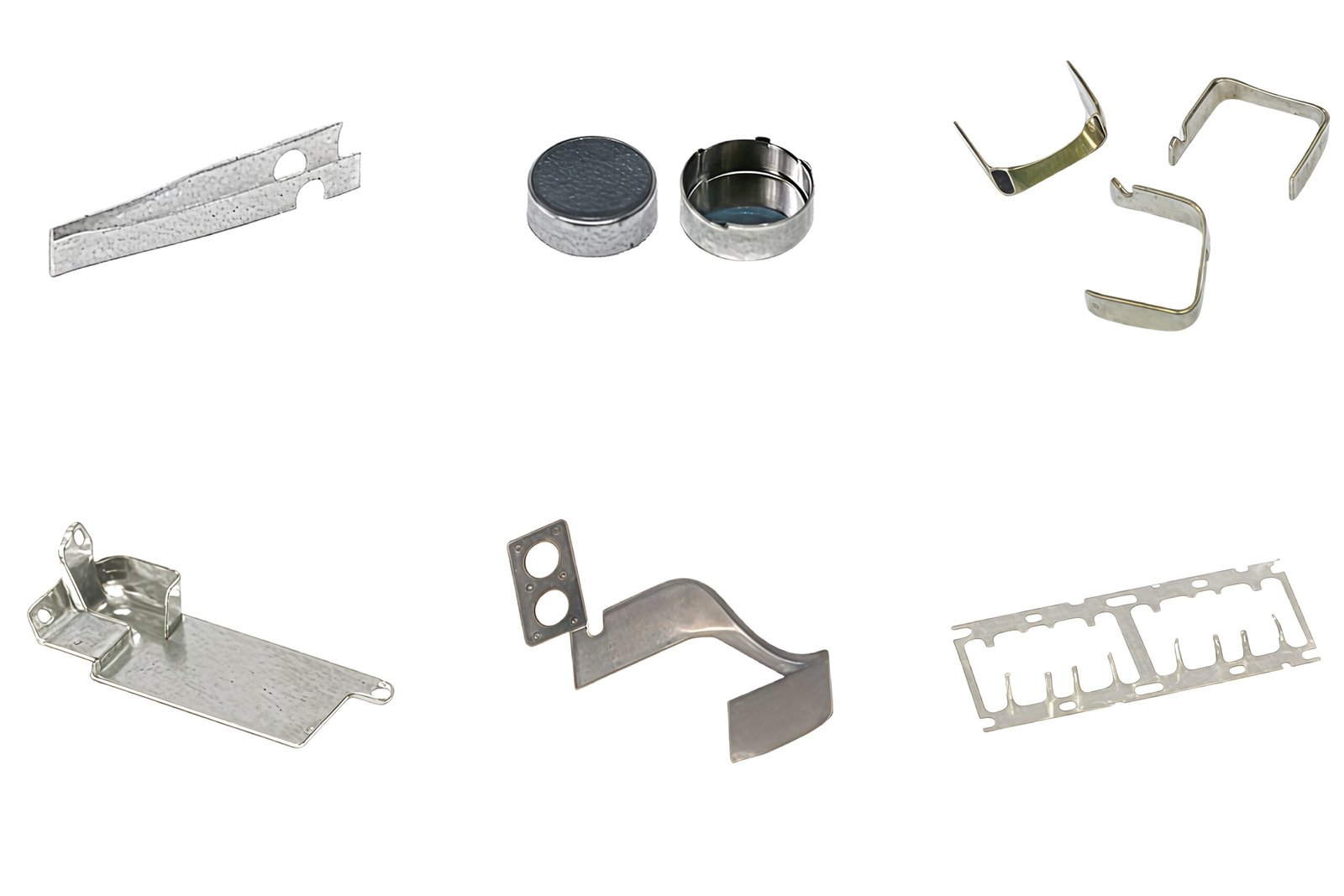
Gallery of Metal Stamping & Metal Forging Products

Metal Stamping
Metal Stamping
Metal Stamping
Metal Stamping
Metal Stamping
Metal Stamping
Metal Stamping
Metal Stamping

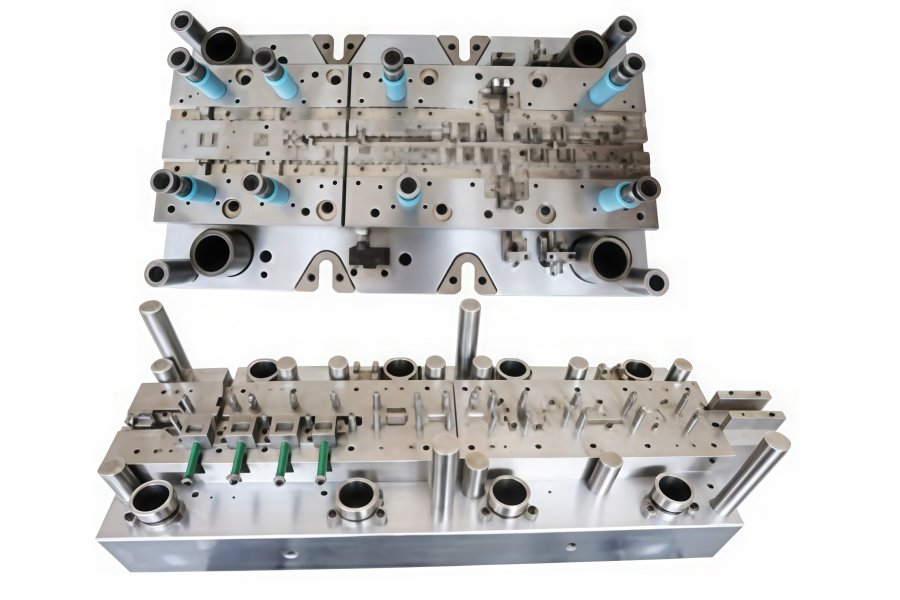
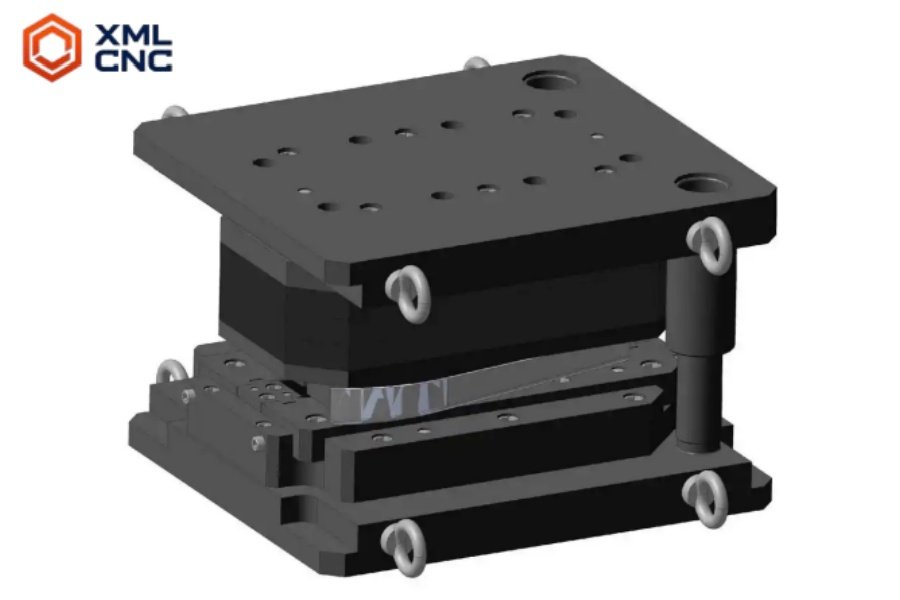
XML Continuous Stamping & Hardware Stamping Dies

Metal Stamping Metal Stamping .

1. Blanking Dies:Dies used to separate material along closed or open contour lines. Examples include blanking dies, punching dies, shearing dies, notching dies, trimming dies, and slitting dies.

2. Bending Dies:Dies that cause sheet metal blanks or other blanks to undergo bending deformation along a straight line (bending line), thereby producing workpieces with specific angles and shapes.

3. Drawing Dies:Dies used to form sheet metal blanks into open-ended hollow parts, or to further alter the shape and dimensions of hollow parts.

4. Forming Dies: Dies that directly replicate the shape of the punch and die according to drawings to form blanks or semi-finished workpieces, while the material itself undergoes only localized plastic deformation. Examples include bulging dies, necking dies, flaring dies, corrugating dies, flanging dies, and trimming dies.

5. Riveting Dies:Dies that use external force to connect or overlap participating parts in a specific sequence and manner, thereby forming a single integrated unit.

Ready to Push the Limits of Lightweight Design?

Upload your 2D/3D CAD files today. Let our engineering team provide a free DFM analysis to evaluate your magnesium die casting project and deliver a detailed quote within 24 hours.4 hours.

Request a Quote Now!

If you have any design files that need to be sent, please email them to info@xml-cnc.com