Cold chamber · A380 / A360 / A413 · 160–2000T
Aluminium die casting on cold-chamber machines from 160T to 2000T — A380, A360 and A413 parts with excellent dimensional stability and thermal conductivity, for automotive, telecom and industrial housings that need to be light and stay flat.
Industry standard alloy
Thermal conductivity
Maximum clamping force
As-cast tolerance

Aluminium die cast components from XML — machined after casting and anodized for corrosion resistance.
Quality management
160T – 2000T
Pressure-tight parts
Porosity and dimension
Moldflow included
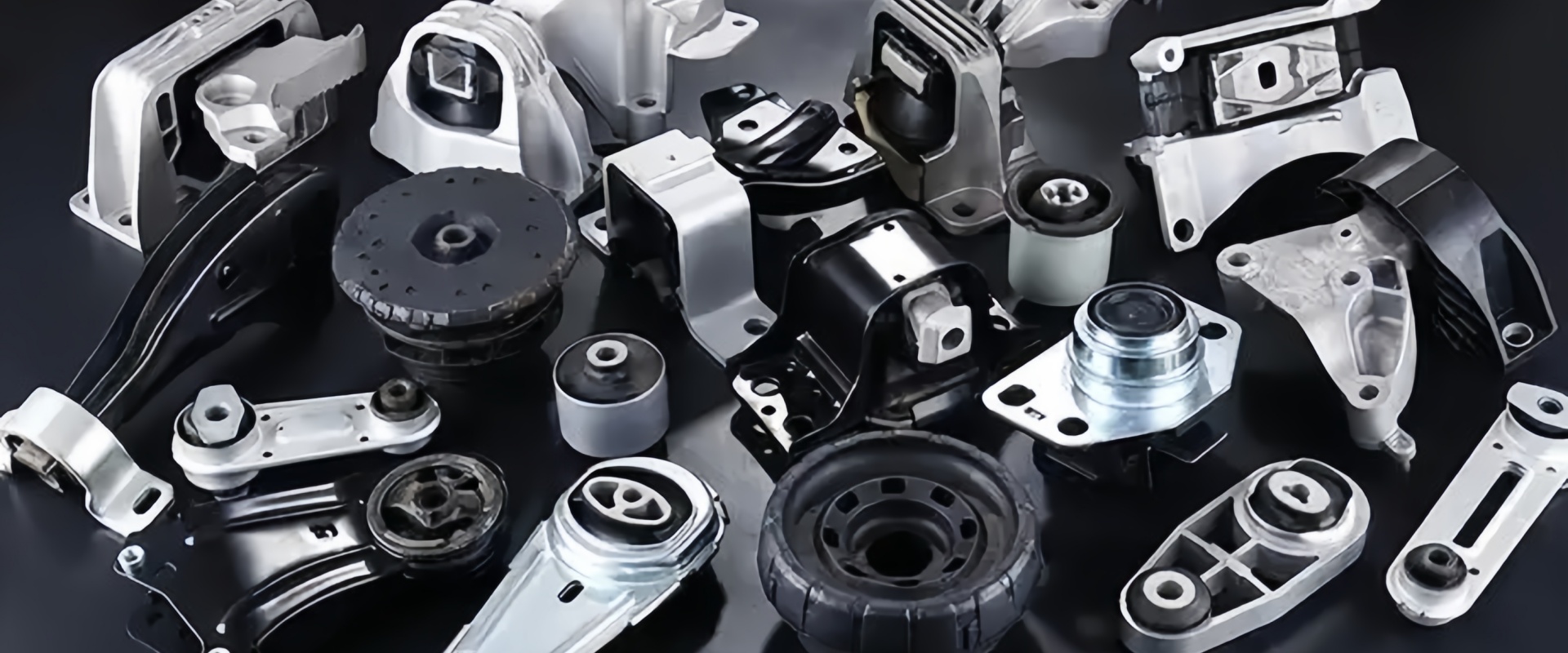
Aluminium die casting at XML — cold-chamber cells from 160T to 2000T producing structural, thermal and pressure-tight castings.

The process
Aluminium melts around 660 °C, which is hot enough to attack a hot-chamber injection system. That single fact decides the process: aluminium is cast in a cold chamber, where the metal is ladled into the shot sleeve and driven in by a separate plunger, so the injection hardware never sits in the melt.
The payoff is a part that is light, dimensionally stable and thermally conductive, produced in one shot with walls thin enough to make machining uneconomic. It is the default choice for structural housings, heat-sink bodies and automotive castings — and the reason those parts can be anodized, which zinc and magnesium cannot.
Advantages
The process wins where weight, thermal path and wall thickness all matter at once — and where volume justifies a die.
Structural rigidity at a third of steel's density, with thin walls that stay stiff.
109–121 W/m·K makes cast aluminium the right body for heat sinks and motor housings.
Bores, ribs and bosses formed in the shot, so machining is limited to critical faces.
A360's higher fluidity and vacuum assist produce leak-tight parts for fluid and gas handling.
Hard anodizing gives wear resistance and colour — an option zinc and magnesium do not have.
Runners and overflow go straight back into the melt, so material utilisation stays high.
One shot replaces several machining operations, and cycle time drops as cavities increase.
Certified ingot from approved smelters, with chemistry verified on arrival.
Alloy data
Three alloys cover almost every aluminium casting we make. The choice is a trade between strength, castability and thermal conductivity — not a preference.
The best balance of strength, castability and cost; the default for housings and general structural parts.
Higher silicon and fluidity for thin walls and leak-tight parts; better corrosion resistance than A380.
Excellent castability and the best thin-wall filling, at lower ductility — ideal for intricate shapes.
Datum faces and bores machined in-house after casting, then anodized, plated or powder coated.
| Property / specification | A380 | A360 | A413 |
|---|---|---|---|
| Tensile strength | 324 MPa | 303 MPa | 290 MPa |
| Yield strength (0.2% offset) | 159 MPa | 172 MPa | 131 MPa |
| Hardness (Brinell) | 80 HB | 75 HB | 80 HB |
| Elongation (in 50 mm) | 4% | 5% | 2.5% |
| Thermal conductivity | 109 W/m·K | 113 W/m·K | 121 W/m·K |
| Primary advantage | Balance of properties | Pressure tightness | Complex geometries |
Casting family
Aluminium is one of three cast alloys and one sintered route. The other pages carry their own grades, mechanical data and process limits.

Hot- and cold-chamber casting from 160T to 2000T for aluminium, zinc and magnesium.
A380, A360 and A413 cold-chamber castings with excellent thermal conductivity.
You are here
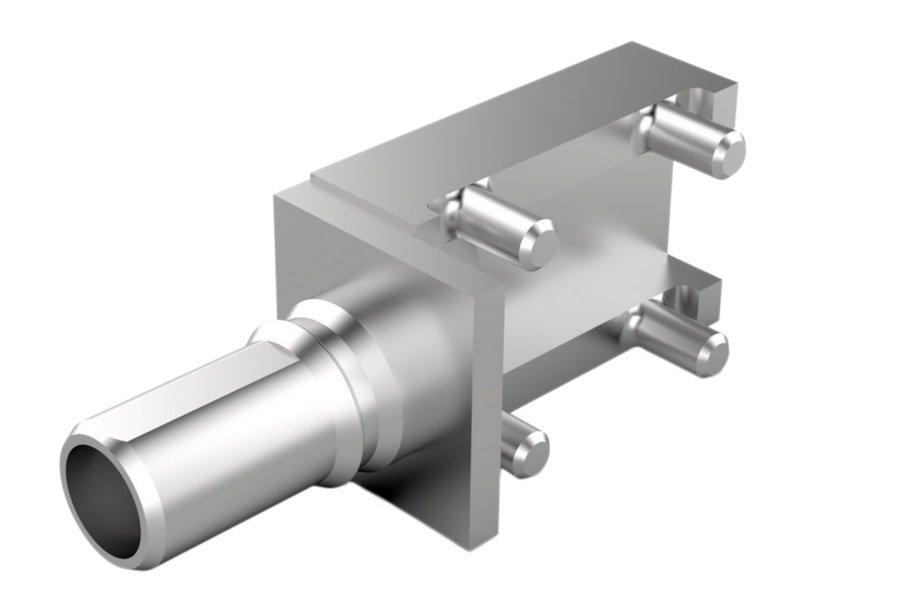
Zamak 3, Zamak 5 and ZA-8 hot-chamber parts with thin walls and premium plating.

AZ91D, AM60B and AM50A parts 33% lighter than aluminium, with EMI shielding.
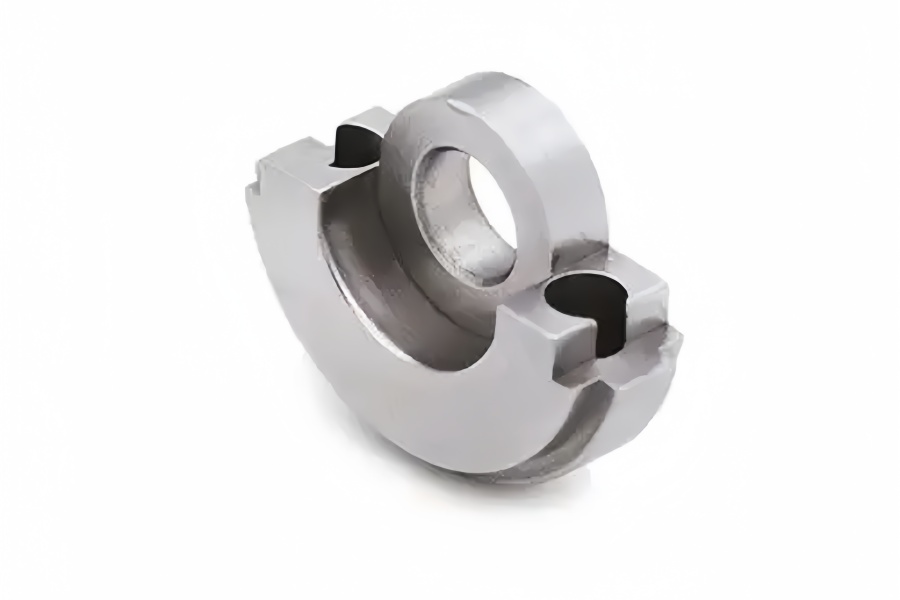
Sintered iron-copper, bronze and stainless gears, bearings and structural parts.
Materials
Alloy choice sets ductility, pressure tightness and how thin a wall will fill. These are the grades we cast most, with the application each suits.

The workhorse: strong, castable and economical for housings, brackets and heat-sink bodies.
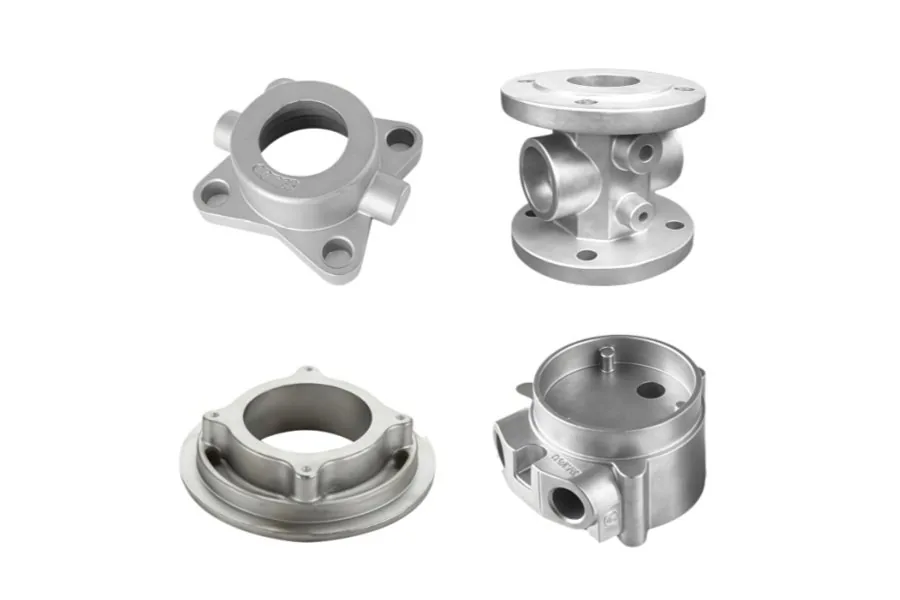
Higher fluidity for thin walls and pressure-tight components such as pump and valve housings.
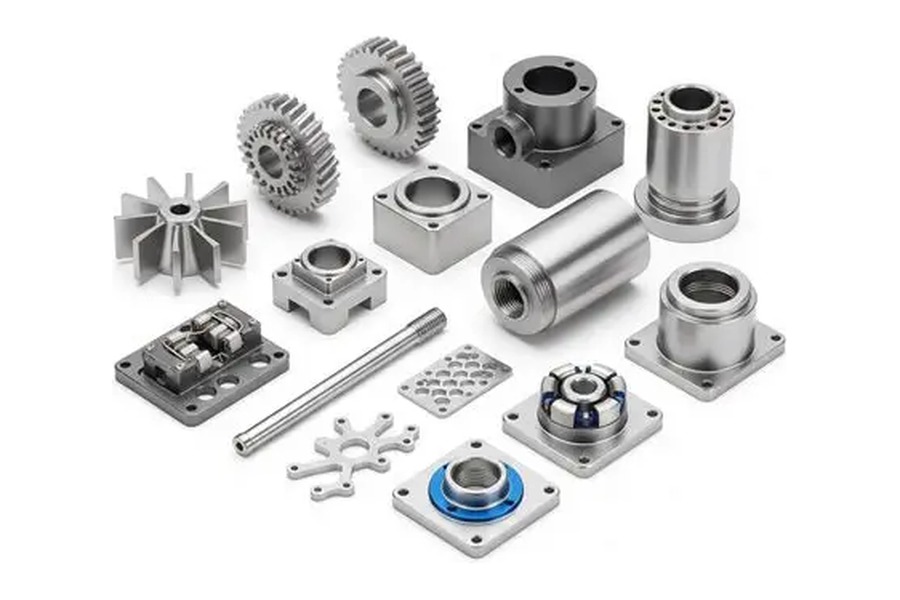
Best castability for complex, thin-wall geometry where ductility is not the governing requirement.
Other metals we cast and machine — full grade data on the materials pages:
Components
Aluminium casting families we produce repeatedly, with the alloy and finishing route each one takes.

Transmission, motor and controller housings with machined bearing bores and sealing faces.

Integrated fins and thick thermal bosses, machined flat at the interface to a controlled flatness.
Weather-sealed cast bodies with gasket grooves and EMI contact faces.
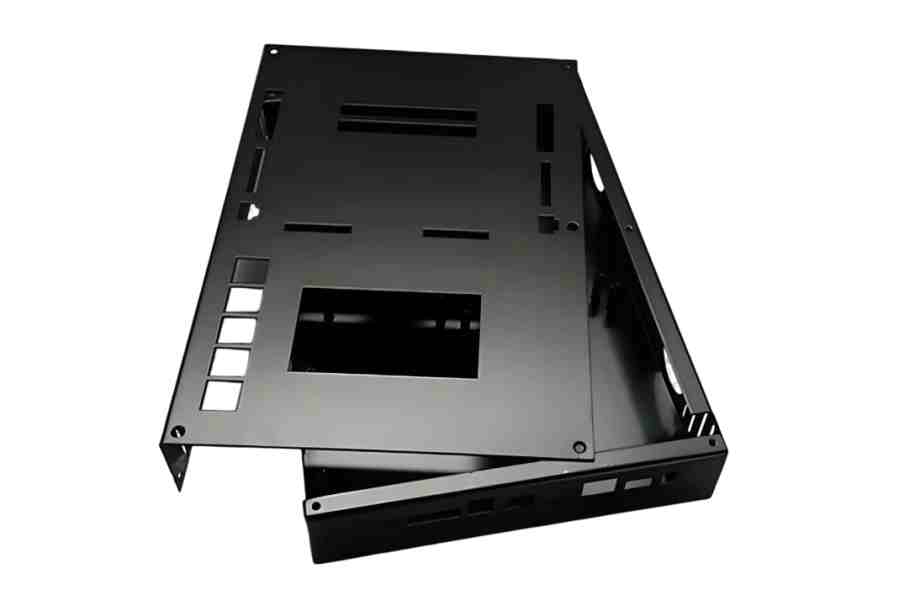
Structural castings that replace welded fabrications and hold geometry without stress relief.
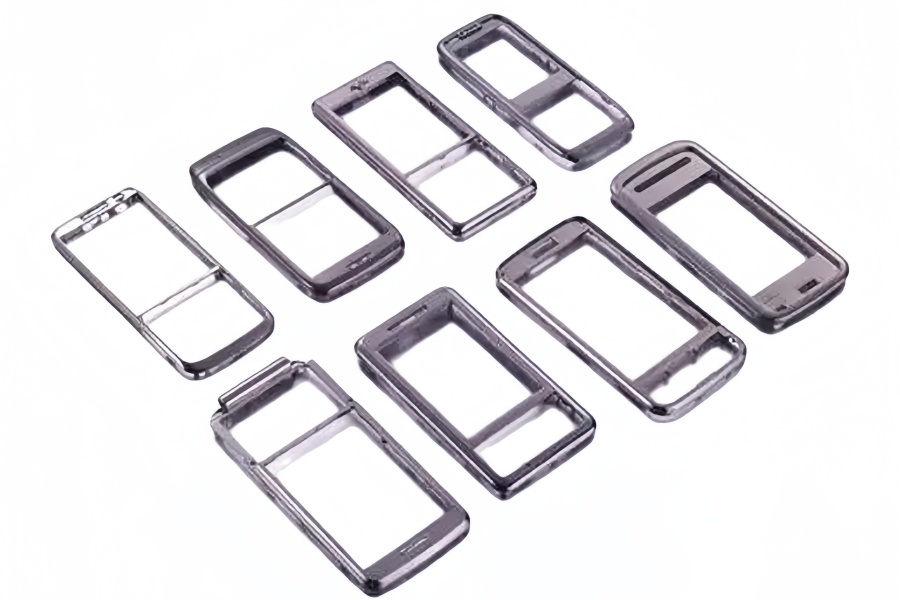
Cast trays, end plates and cooling manifolds for electrified powertrains.
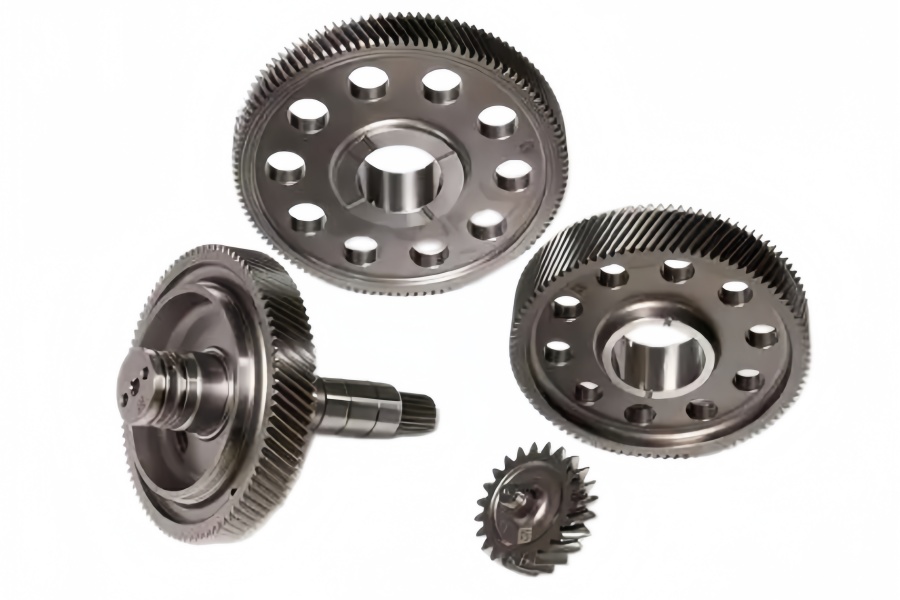
Pressure-tight A360 bodies with machined ports and sealing faces, leak tested before dispatch.
Finishing
Aluminium is the only casting alloy here that anodizes — which makes finish a design decision, not just a coating choice.
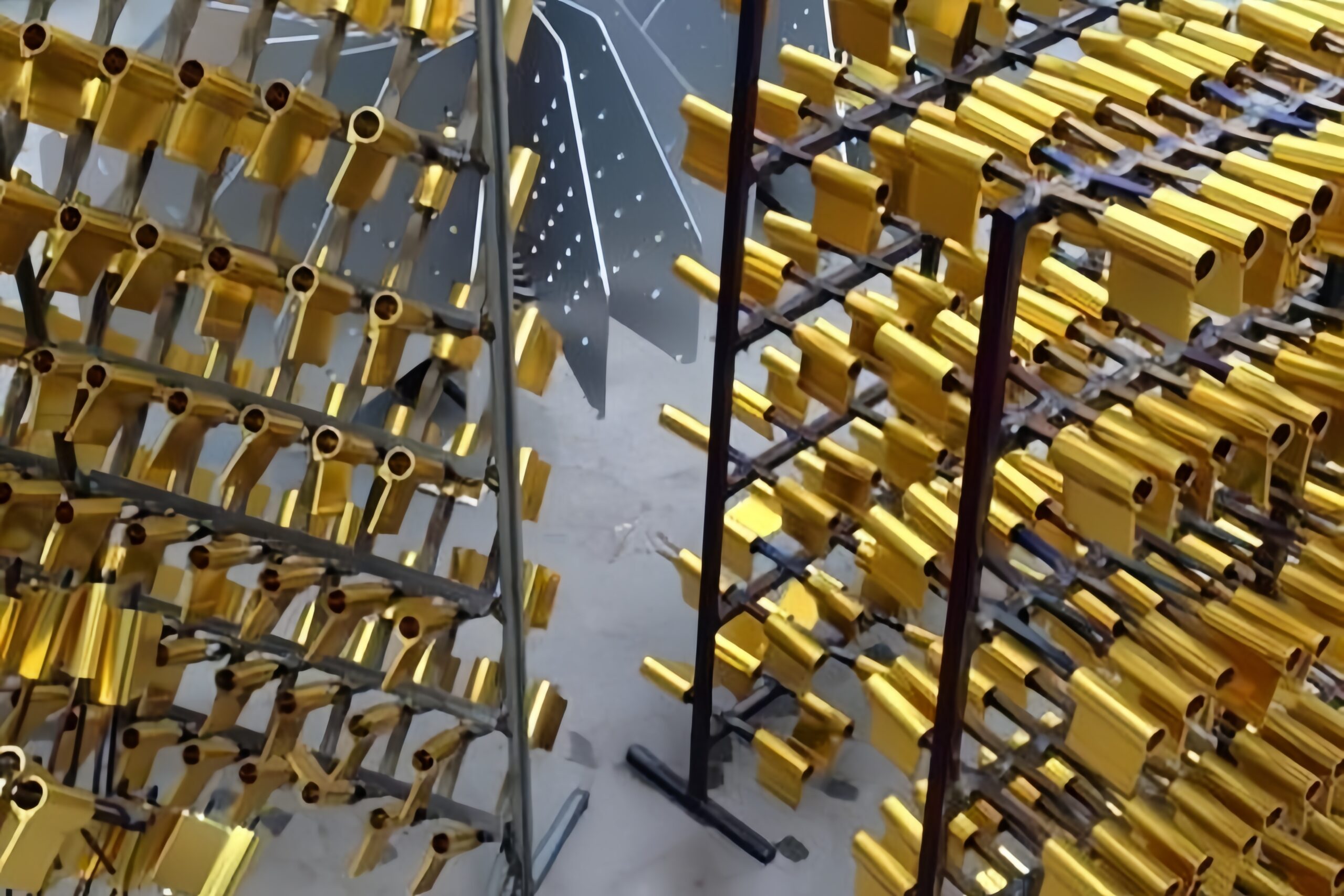
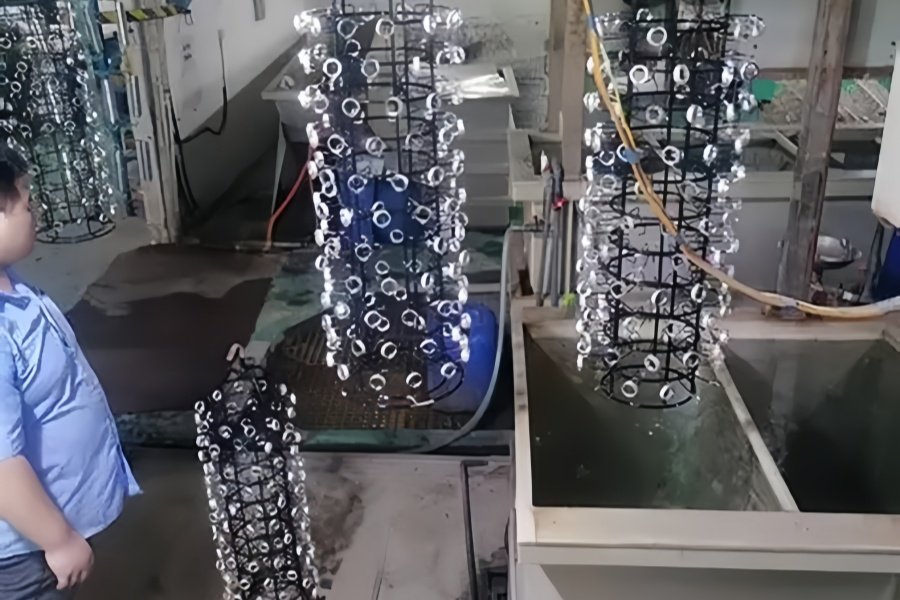
Chrome, nickel and zinc plating that also hides casting porosity.
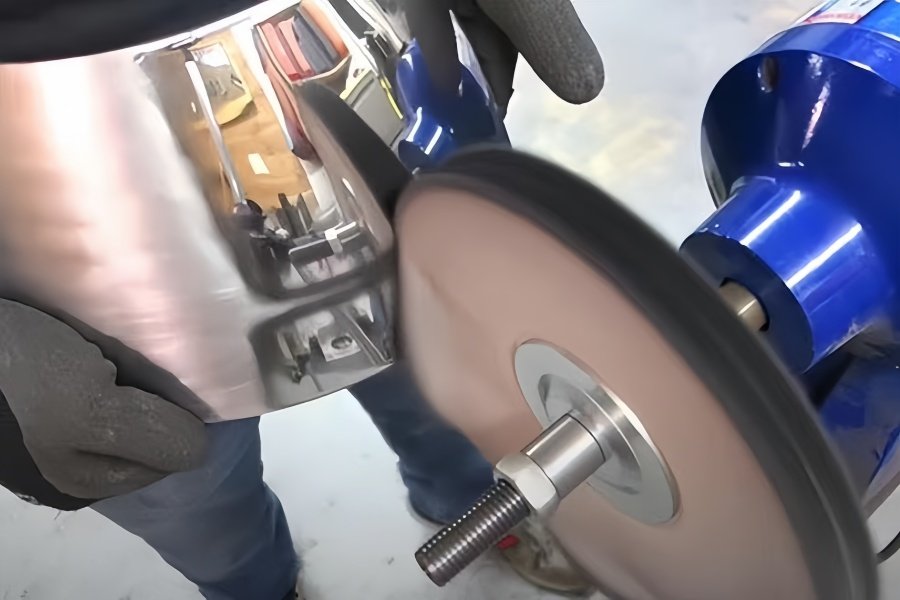
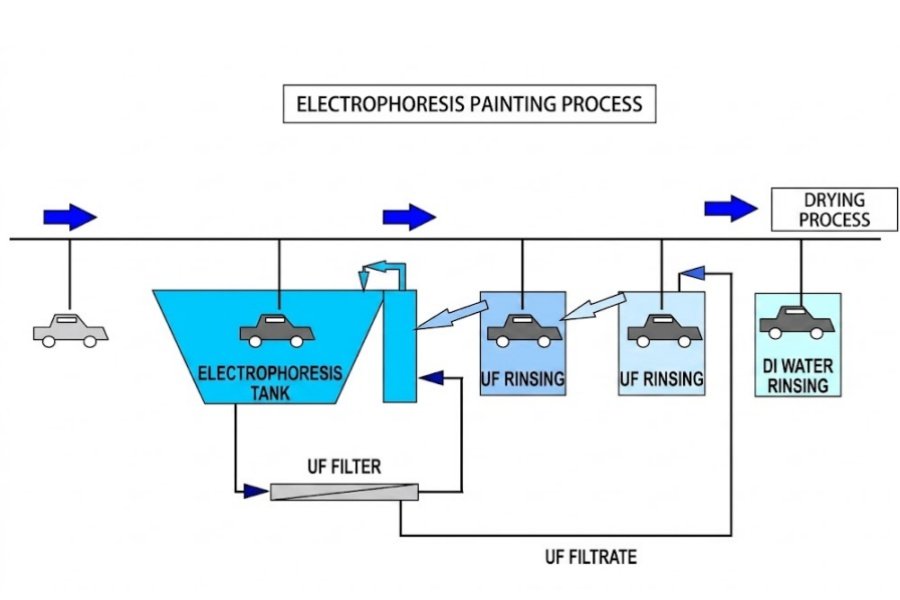

Fully bonded coating that reaches recesses and internal faces.
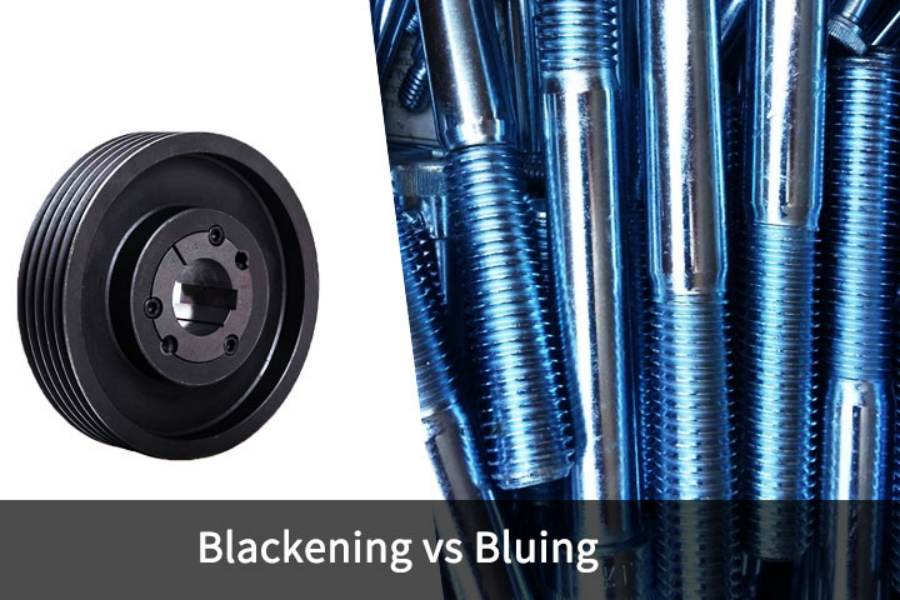
Passivation, black oxide and bead blasting under one quality system.
Quality system
Six gates. Aluminium’s high heat input makes gate and cooling design the difference between a sound casting and a scrapped one.
Filling, solidification and porosity simulated before the die is cut — gating and cooling optimised.
Hardened die cut in-house, trial shot, then corrected before any production commitment.
CMM verification plus sectioning or X-ray on pressure-tight and structural sections.
Shot profile, die temperature and vacuum level logged; sampling through the run.
Datum faces, bores and threads machined on our own CNC cells, with parting lines removed.
Anodized or coated as specified, 100% audit, packed with certificates and inspection data.
Industries
Automotive, telecom and industrial work dominate, with aerospace and medical served on the same process control.
Transmission housings, EV battery trays and structural castings with PPAP.
Thin-wall zinc housings, heat sinks and EMI enclosures with cosmetic plating.
Lightweight magnesium brackets and avionics housings with AS9100D documentation.
Device housings and instrument frames in cast then machined aluminium.
FAQ
The questions buyers ask about alloys, tolerance, porosity and finish.
A380 for general structural parts, A360 when it must be leak-tight or thin-walled, A413 for intricate geometry. The property table above shows the trade-offs.
Yes — and it is the main reason to choose aluminium over zinc for visible parts. See anodizing for finish options and colour range.
Gate and cooling design, vacuum assistance on critical parts, and verification by X-ray or sectioning on pressure-tight and structural sections.
±0.05 mm as-cast on small features, typically ±0.002 in per inch. Tighter features are machined after casting — see CNC milling.
Yes. Datum faces, bearing bores, threads and sealing faces are machined in-house so one supplier owns the tolerance stack between casting and finished part.
Quotations in 6–8 working hours. New dies typically 4–8 weeks; repeat production castings 2–3 weeks depending on volume and finishing.
Resources
Process notes written by the engineers who run the machines.
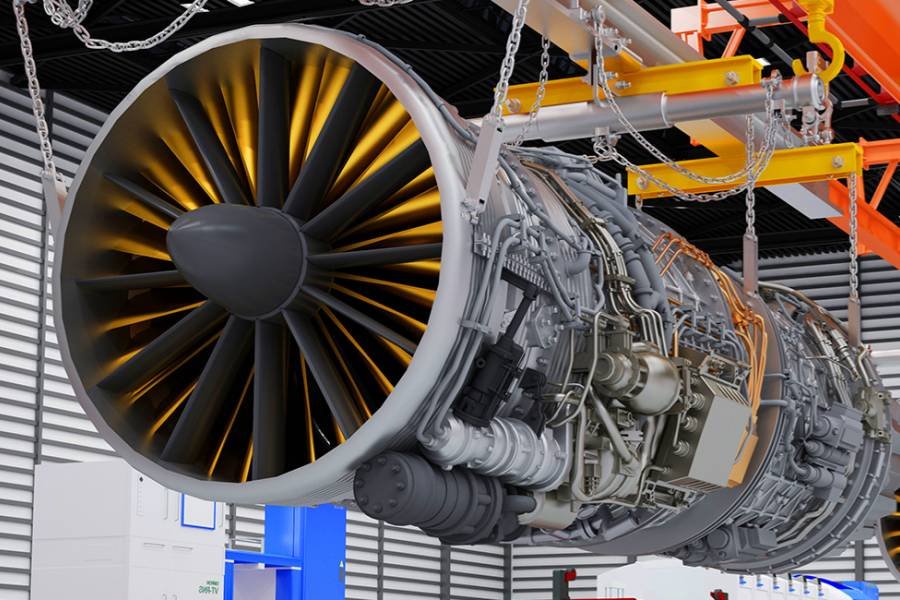
AerospaceOctober 6, 2026
The geometry, material and certification reasons aerospace buyers specify 5-axis.
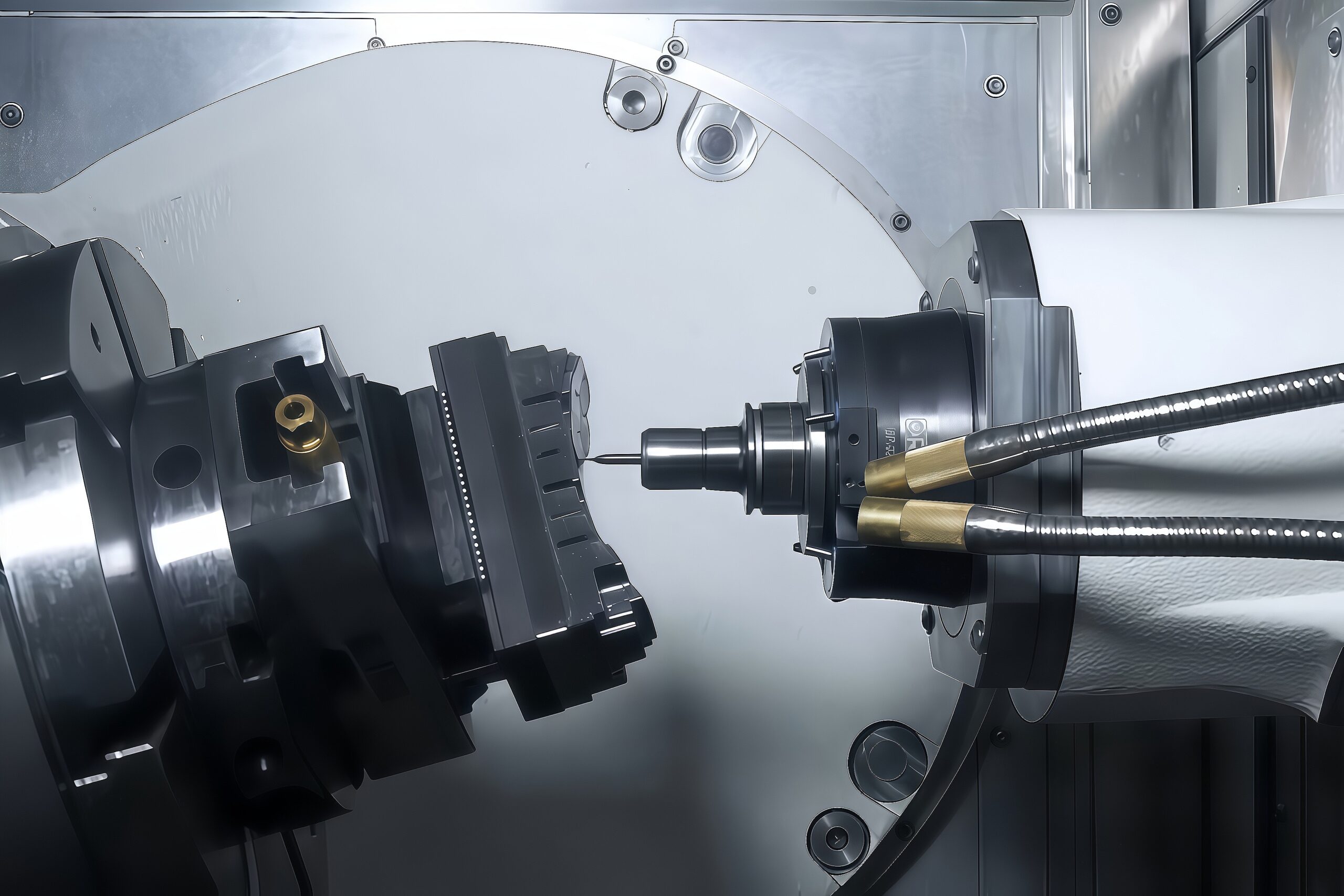
PrecisionOctober 7, 2026
Where simultaneous 5-axis actually beats 3-axis re-fixturing, and where it does not.
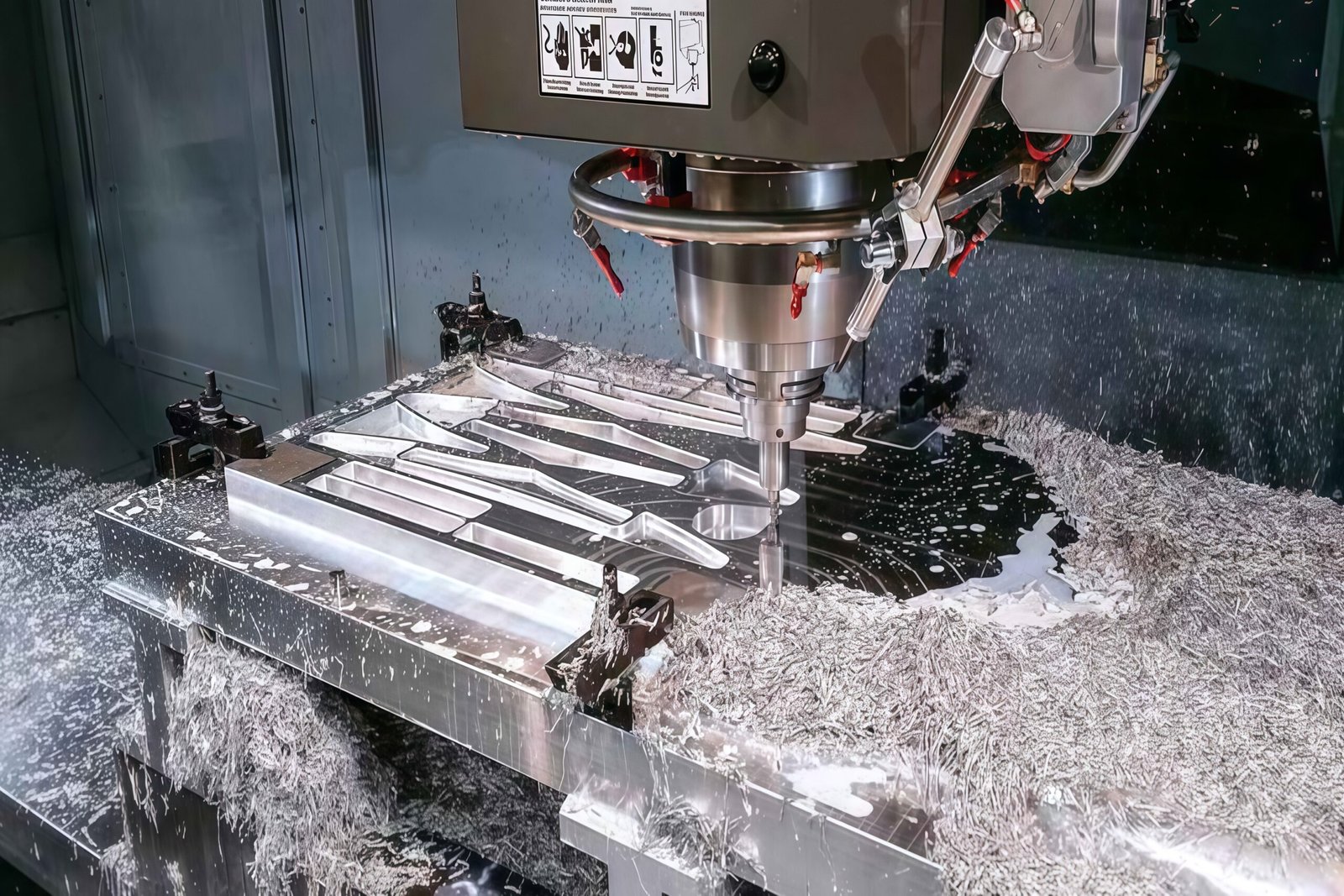
GuideOctober 14, 2026
Spindle, axes, tooling and workholding explained — and how each choice changes part cost.
Request a quote
Send a STEP file and an engineer will recommend an alloy, flag porosity risks and quote the die and piece price — usually inside 6–8 working hours.
Files up to 25 MB can be attached after submission, or email them to [email protected].
We use your details only to respond to this enquiry and never share your drawings. NDA available on request.
If you have any design files that need to be sent, please email them to [email protected]