Three sheet metal fabricators quote the same drawing: $18.40 per piece, $26.90, and $31.20. The drawing has not changed. Nobody is cheating you — the spread is real, and it comes from five places you can inspect before you sign.
The spread widens when one of the three is a precision sheet metal fabricator. Precision work carries different equipment, inspection, and price base, so comparing it against a general shop on the bottom line tells you nothing.
Most buyers compare the number at the bottom of the sheet metal fabrication quotes they receive. That number is a conclusion. What you need is the reasoning behind it, which is visible in five checks: equipment fit, tolerance, finish handling, tooling ownership, and lead time structure.
This article walks through the five in the order they affect price, each with a question and an answer pattern that tells you whether the shop is quoting your part or a generic part. At the end there is a comparison table you can send to three shops the same morning.
What Sheet Metal Fabricators Control — and What They Don’t
A fabricator controls bend accuracy, surface condition, tooling, and scheduling. It does not control the thickness variation of the sheet it receives, and holding a shop responsible for that is the fastest route to a dispute you will lose. This is the boundary between what sheet metal fab can promise and what fabrication sheet metal inherits from the mill.
Aluminum sheet thickness is not exact. ASTM B209 allows roughly ±0.0035 in on 0.046–0.060 in sheet, and that variation propagates into every bend deduction the shop calculates. A 0.003 in thicker blank moves the neutral axis and the flange length shifts with it. Good shops compensate; average shops absorb the error into the first article.
So when a shop claims ±0.010 in on a formed part, ask whether that number includes material variation. If not, real capability is wider than the claim. Our own CNC Machining Services quote sheet asks for it explicitly, because a band without it cannot be compared across shops.
The same question separates industrial sheet metal fabrication from prototype-level sheet metal fabrications, and it is the first thing worth asking any sheet metal company you shortlist. A shop built for heavy gauge measures capability one way, a shop built for thin brackets another. Neither transfers.
Standalone conclusion: A sheet metal fabricator is accountable for process variation, not for mill tolerance in the incoming sheet. Ask which of the two your ±0.010 in callout includes.
The three cost drivers you can actually influence
Three levers sit on your side of the table. Feature count per bend — every bend is a hit with handling time. Tolerance tightness — going from ±0.010 in to ±0.005 in usually means a second operation or a dedicated fixture. Batch size against setup time, where the tooling question in Check 4 becomes a pricing question. None require changing the function of the part; they require knowing which dimension is functional and which is decoration.
Check 1: Equipment That Matches Your Part’s Geometry
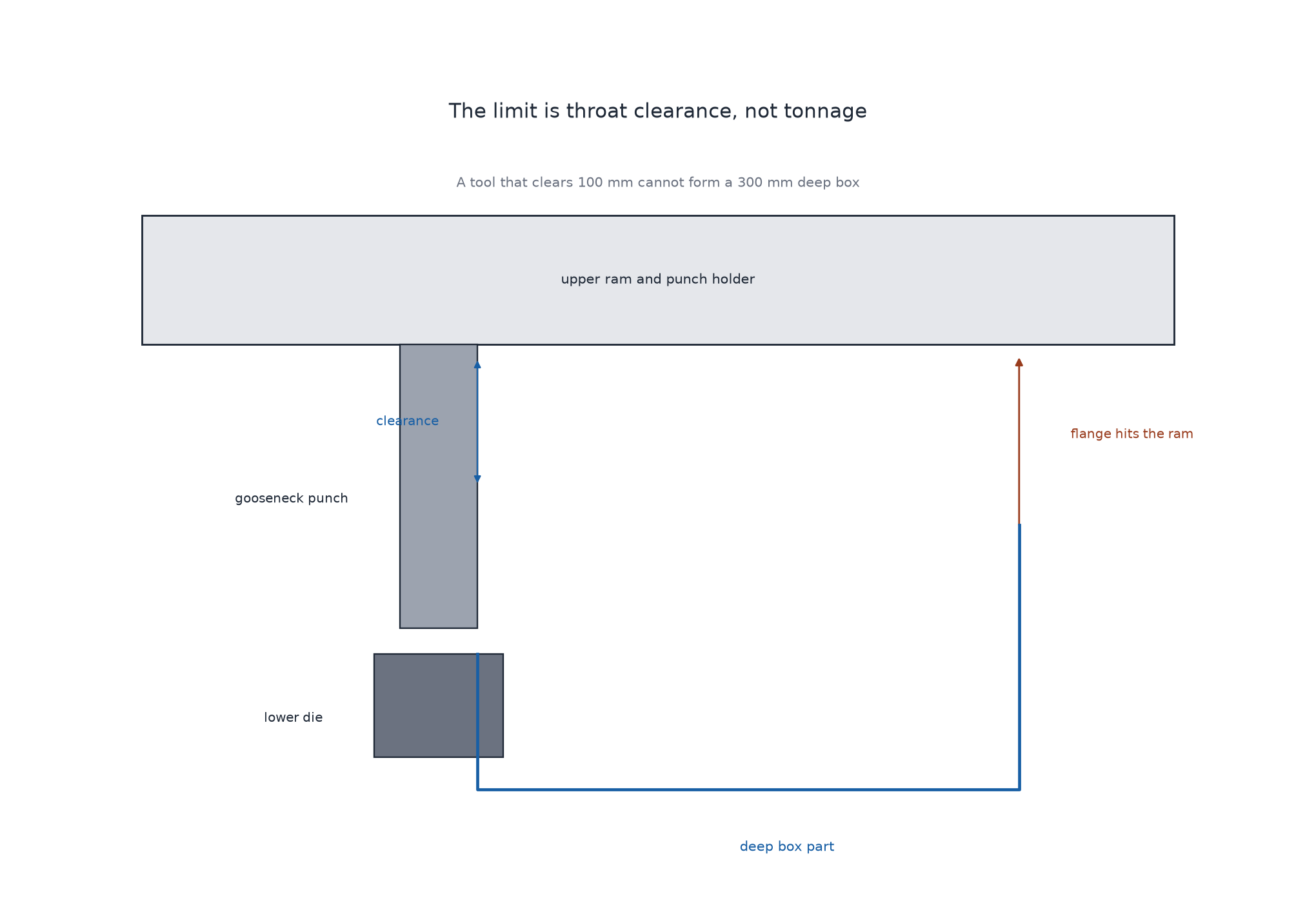
The question is not how many press brakes sheet metal fabricators own. It is whether one can hold your part at the bend line without the part hitting the frame. The forming services we run are under Sheet Metal Fabrication.
A press brake is rated by tonnage and bend length, but the constraint that bites is throat depth and upper tool height. A 10 ft brake with a standard gooseneck punch cannot form a 90-degree flange on a 4 ft deep box unless the box is oriented so the flange clears the frame. Shops solve it with special tooling, a different machine, or by farming the part out.
That third option costs you. Outsourcing a bend loses control of schedule and tolerance stack, and the markup is rarely disclosed. A shop that quotes a deep box confidently and cannot say how it will clear the frame plans to outsource — which is why sheet metal forming companies with genuinely deep tooling are worth finding first.
Standalone conclusion: Equipment fit is a geometry question, not a tonnage question. Ask which machine will form the deepest flange and how the part clears the frame.
Check 2: Tolerance — Ask for the Number, Not the Range
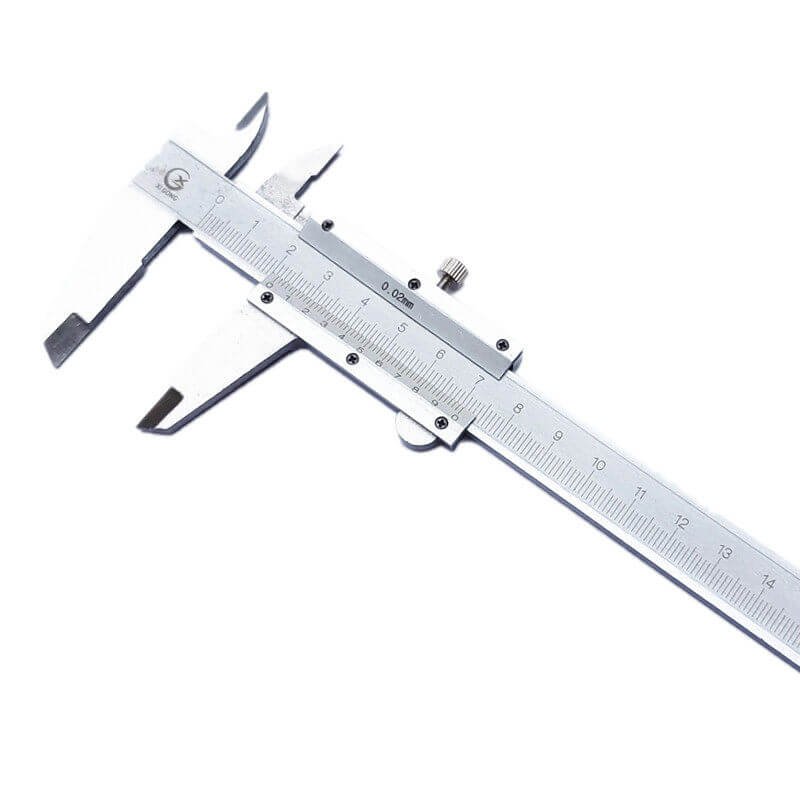
Two sheet metal fabricators quoting ±0.005 in are often quoting two different measurements. One means hole position relative to a datum after forming; the other means the angle of a single bend converted to a linear value at the flange tip. The second is easier to hold, and it is what gets quoted when the number needs to look good.
The fix is procedural. Require the quote to state the measurement object, datum, and inspection method for every tolerance tighter than ±0.010 in. A shop that cannot fill in three fields has not thought about your part.
ISO 2768-1 covers general tolerances where the drawing does not specify, and its medium class (m) allows ±0.3 mm on dimensions from 30 to 120 mm — about ±0.012 in, wider than most buyers assume.
Standalone conclusion: A tolerance number without a stated measurement object is not a commitment. Require object, datum, and inspection method on every callout tighter than ±0.010 in.
Why two shops quoting ±0.005″ are not quoting the same thing
Ask each shop to measure the same three parts and send the raw readings. The shop that reports a distribution with a mean near nominal and a tight spread is controlling the process. The shop that reports three values all sitting at one edge of the band is adjusting to pass inspection, and the next batch will drift the other way.
Check 3: Finish and Handling Damage
Most rejected sheet metal lots are not rejected for dimensions but for scratches, dents, and handling marks, and those defects are a function of housekeeping rather than machine capability.
Watch three things on a shop visit: whether parts sit on foam or directly on steel racks, whether stainless and aluminum are stored separately, and whether film is applied before bending. Film costs money and adds a peeling step, which is why its presence tells you something. A shop that skips it on visible surfaces delivers parts you have to polish, and polishing a brushed finish back to uniform is often impossible.
For powder coating and anodizing, the handling extends into the finishing supplier. A fabricator that sends parts out without specifying racking orientation gets rack marks in visible locations. This matters most on aerospace sheet metal fabrication, where a rack mark on a visible surface is a rejection and not a touch-up.
Standalone conclusion: Finish defects come from handling, not from machine capability. Protective film, segregated storage, and padded racks are the three visible signals of a shop that ships clean parts.
Check 4: Tooling Ownership and Setup Cost
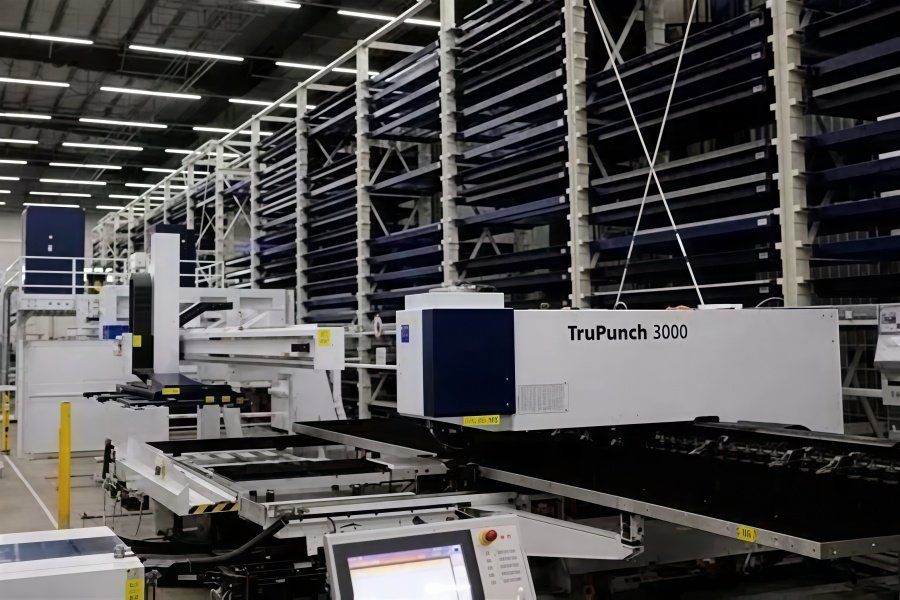
Tooling ownership decides whether you can leave. If the shop builds a dedicated die and bills it as a one-time charge, that tool is yours only if the purchase order says so. Without that sentence it stays with the shop and switching suppliers means paying twice.
The pricing structure matters just as much. A shop can recover the same tooling cost up front or by loading it into the piece price. Up-front is transparent and makes small quantities expensive; loaded pricing looks cheap at 500 pieces and becomes a penalty at 5,000. Among precision sheet metal fabrication manufacturers this is the single most common line to argue about, and the argument is settled by the three-quantity quote rather than by discussion.
Ask for both: the one-time tooling charge and the piece price at 100, 1,000, and 10,000. Plot the three points. The quantity where the loaded-price curve crosses the up-front curve is your break-even, usually between 800 and 2,000 pieces for a simple formed part.
Standalone conclusion: Tooling ownership is a contract term, not a courtesy. Get the one-time charge and piece prices at three quantities, then find the crossing point before you commit.
Check 5: Lead Time From Quote to First Article
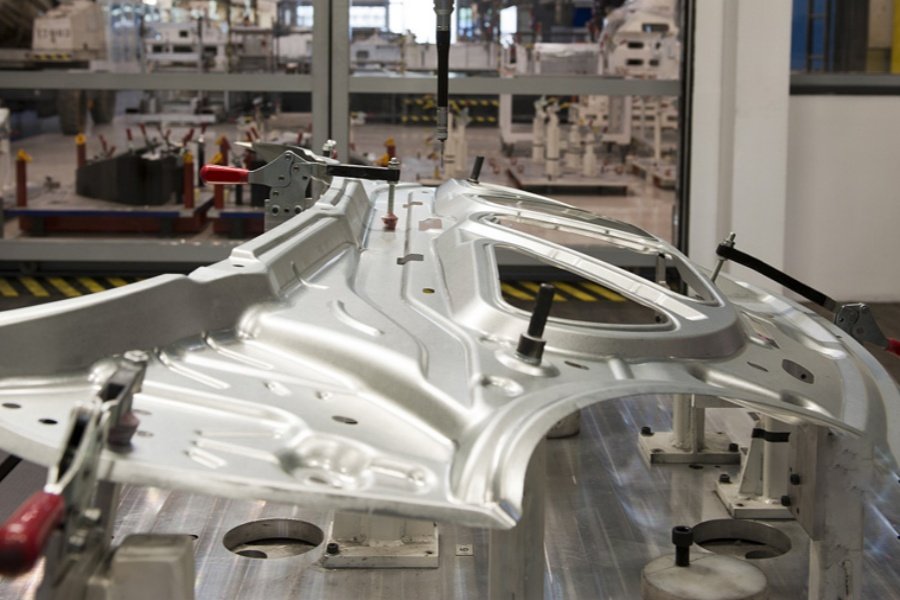
A quoted four-week lead time usually contains two weeks of queue. Ask for the breakdown: quote turnaround, programming and setup, first article, and batch run. Only the first article date reflects real capability, because that is where every hidden problem surfaces.
The second question is what happens to that date when a revision arrives. A shop with spare capacity absorbs a change order in days; a shop at the edge restarts the queue. Neither answer is wrong, but you need to know which one you bought.
Third, ask when their busiest month is, and treat it as a scheduling input rather than small talk. Our own peak months are listed in About Us for the same reason. Most shops in North America peak in the fourth quarter as budgets close out. A shop that admits to a Q4 peak is telling you to order in September, which is more useful than any promise about average lead time.
Standalone conclusion: Split lead time into quote, setup, first article, and run. Only the first article date is a capability signal; the rest is queue management.
Running the Comparison in One Afternoon
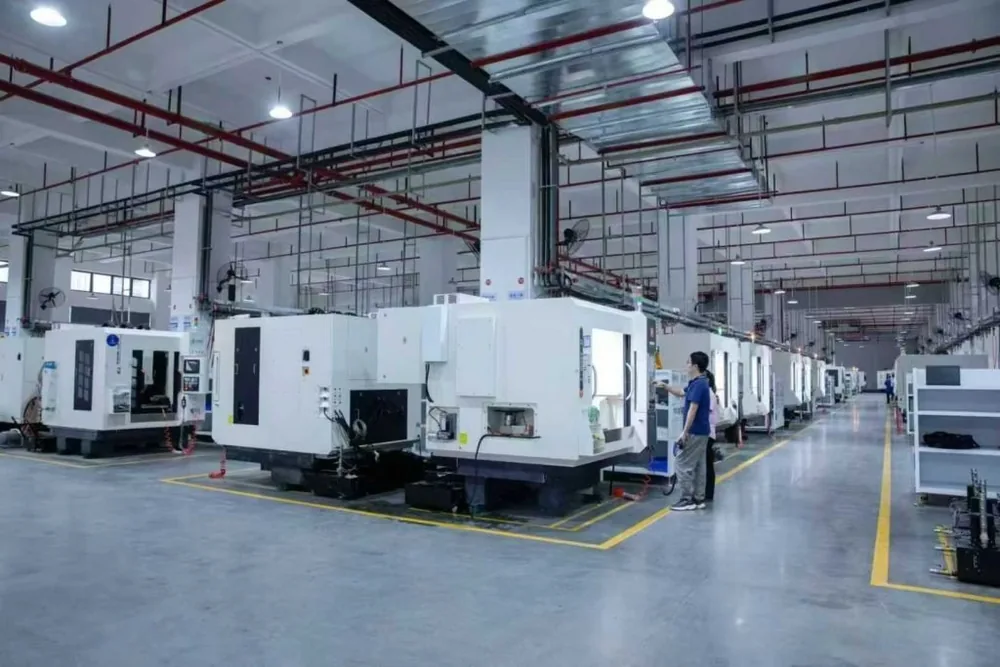
Send the same five questions to three shops on the same day and require answers in writing. Verbal answers during a call are not comparable, because you will remember them differently by the time you decide. If two of the three are precision sheet metal fabricators and one is a general shop, expect the precision pair to answer the tolerance question in more detail — and expect to pay for it.
- Which machine forms the deepest flange on this part, and how does the part clear the frame?
- For each tolerance tighter than ±0.010 in, what is the measurement object, datum, and inspection method?
- Do you apply protective film before bending, and how are finished parts racked?
- What is the one-time tooling charge, and who owns the tool? Give piece price at 100, 1,000, and 10,000.
- Break the lead time into quote, setup, first article, and run. When is your peak month?
Score the answers against the table below. Two of the three will answer all five. One will answer three and substitute enthusiasm for the rest, and that is the one to drop. The same scoring logic applied to other processes is on the Blog Homepage.
| Check | What a strong answer contains | What a weak answer sounds like |
|---|---|---|
| Equipment fit | Names a specific machine and the tooling used | “We can do any size” |
| Tolerance | States object, datum, inspection method | “We hold ±0.005 in on everything” |
| Finish | Describes film, racks, and finishing partner | “We take care of it” |
| Tooling | Gives charge, ownership, and three price points | “Tooling is included” |
| Lead time | Splits into four dates and names peak month | “Four to six weeks, typical” |
Standalone conclusion: Comparability comes from asking identical written questions on the same day. Score the answers against a fixed table instead of comparing the bottom line.
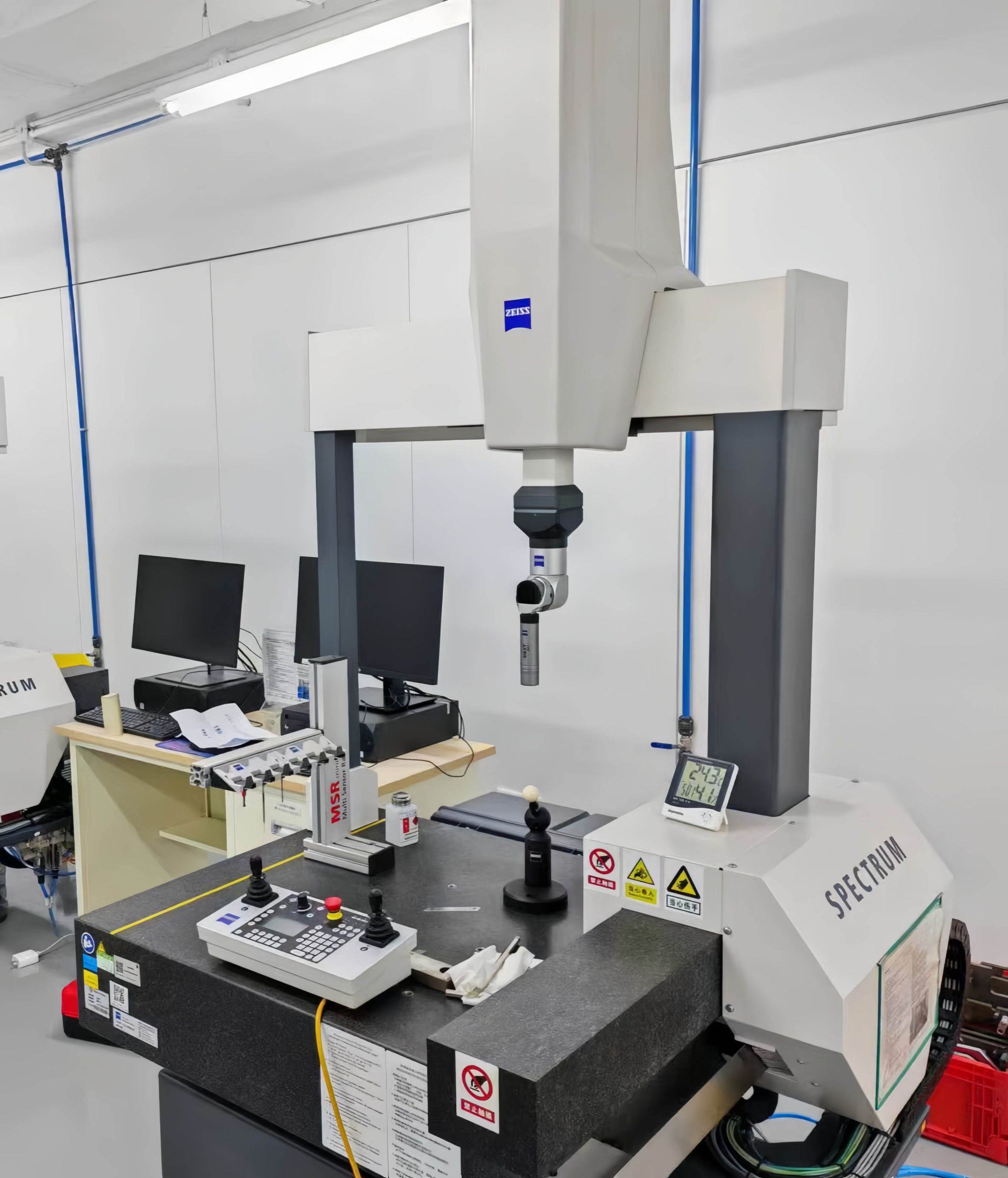
The price spread between sheet metal fabricators is not noise. It reflects five decisions the shop made before it saw your drawing: which machine, how tolerance is defined, how parts are handled, who owns the tool, and how it schedules.
Ask the five questions in writing, score the answers, and the choice usually becomes obvious within a day. The shop that answers precisely is also the shop that tells you when your design is making the part expensive — and that conversation is worth more than the difference in piece price. Whether you end up with a precision sheet metal fabrication company or a small sheet metal fabrication shop, the five answers are what you are buying.
If you have a drawing and want the five answers applied to it, send it through our CNC Machining Quote Form and we will come back with the process route and the tolerance assessment on the features that matter.