1. Standard Tolerances for CNC Machine Processes
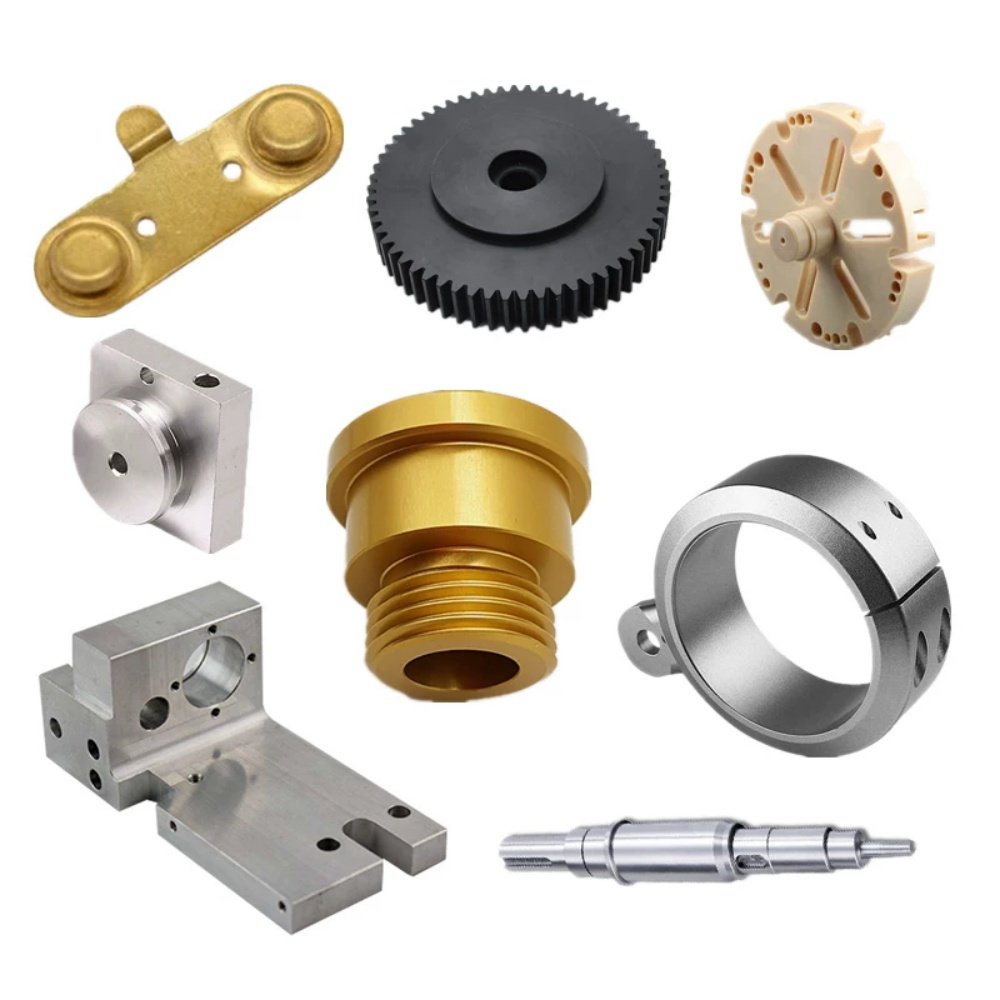
Because CNC machine machining encompasses various methods, noticeable differences exist in standard (default) tolerances across processes:
Milling & Turning: The standard tolerance for 3-axis, 5-axis milling, and conventional turning is ±0.13mm… If your project requires stricter controls, ourCNC machining services can achieve higher precision tailored to your drawings.
Special Cutting & Other Processes: Standard cutting is±0.13mm; threading is ±0.13mm; steel-rule die-cutting is ±0.381mm; while gasket and track cutting loosen to ±0.762mm.
Surface Finish: The standard value is uniformly specified at 125Ra.
2. Four Core Tolerance Types
The four most common tolerance notation formats encountered on drawings or during CNC programming are:
Limit Tolerances: Directly states the upper and lower limits (e.g., 15–15.5 mm). Anything outside this range is scrapped.
Unilateral Tolerance: Permits deviation in only one direction (e.g., $+0.00/-0.03mm). Commonly used for precise fits like bearing bores and dowel pins.
Bilateral Tolerance: Allows variation in both positive and negative directions (e.g.,±0.05mm). Ideal for controlling overall envelope dimensions.
Geometric Dimensioning & Tolerancing (GD&T): Uses a feature control frame system to precisely regulate geometric characteristics like flatness, roundness, concentricity, and true position, beyond just linear sizes.
3. Key Terminology for Quality Control (QC)
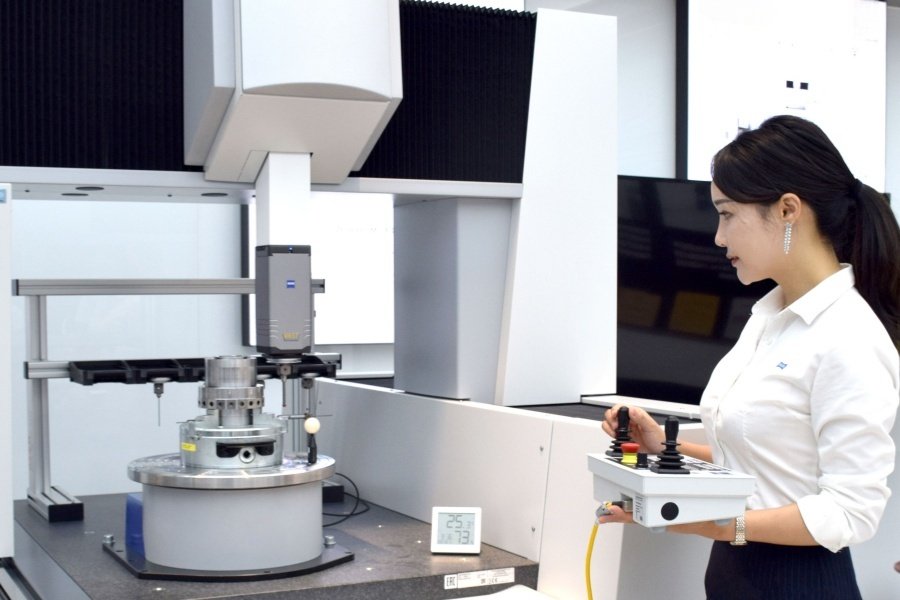
Understanding these terms ensures efficient and error-free technical communication between engineers and QC inspectors:
Basic Size: The theoretically perfect dimension on drawings, serving as the baseline for all deviation calculations.
Actual Size: The real dimensional data obtained via measurement tools after machining.
Deviation: The amount by which a size strays from the basic size. Upper limit minus basic size equals upper deviation; lower limit minus basic size equals lower deviation.
Datum: A hypothetically perfect reference point, line, or plane used as a baseline in geometric tolerance measurement.
4. Cost-Effective Strategies for Tolerance Selection
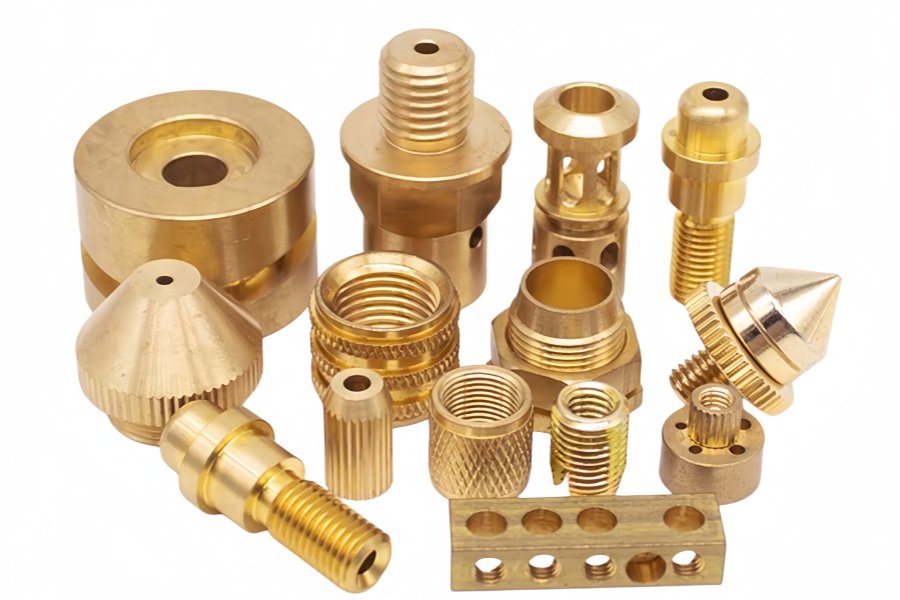
cientific tolerance selection must balance material traits and application scenarios to find the sweet spot between precision and cost:
By Material: Due to high rigidity, the standard tolerance for metals is usually ±0.13mm (±0.005$ inches); for plastic parts, due to higher thermal expansion, it should loosen to ±0.25mm (±0.010 inches). For temperature-sensitive materials like copper and steel, thermal deformation from ambient fluctuations must be considered during design.
By Application: Mating parts like bearings and bushings must follow strict fit tolerances (e.g., the ISO system); non-mating parts like brackets and enclosures should use widened tolerance bands to significantly cut machining difficulty and production costs.
Need components with tight tolerances and high surface finish? Check out XML Tech’s full range of precision CNC manufacturing services or contact us today with your technical drawings for a fast quote!