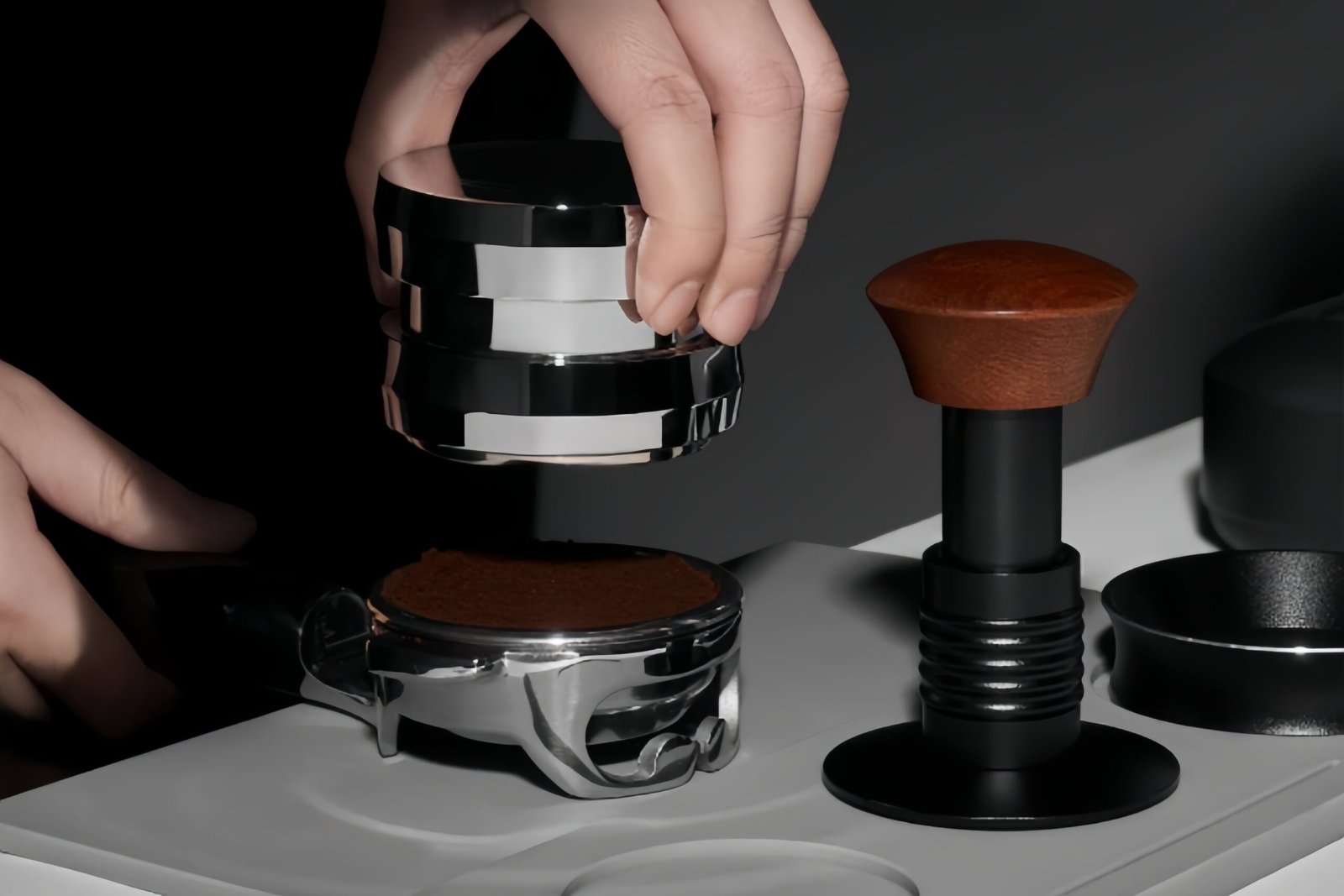
In today’s fiercely competitive commercial coffee industry, operators often allocate the vast majority of their budgets to high-end espresso machines and high-precision grinders. However, in this precise assembly line that dictates coffee flavor, there is a crucial yet frequently underestimated component: the commercial coffee tamper.
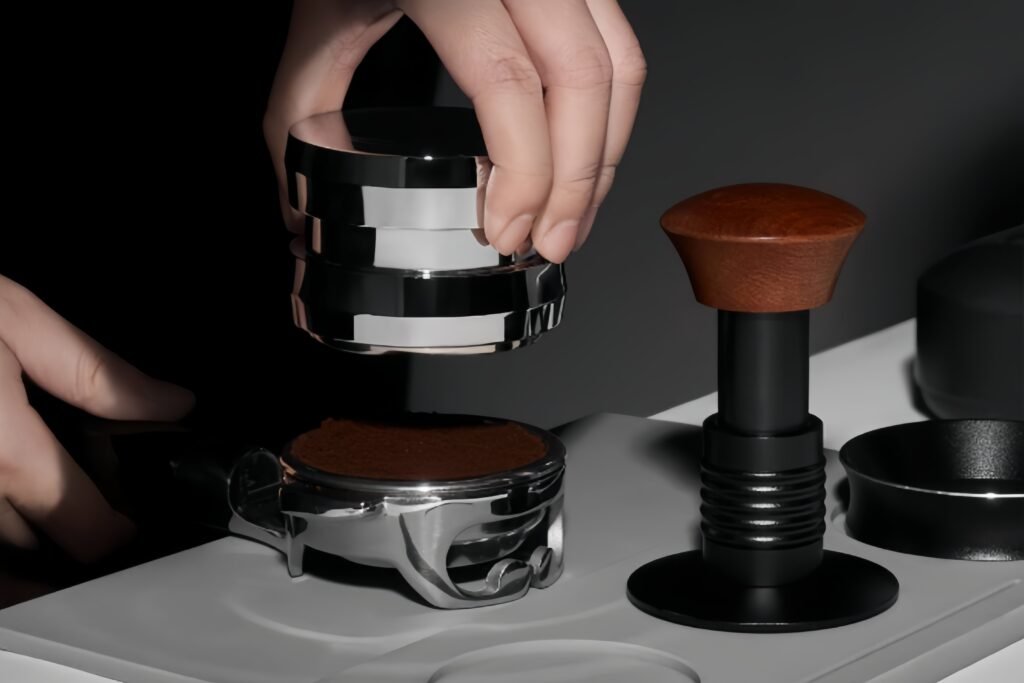
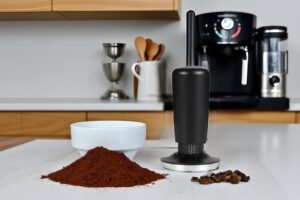
For a commercial cafe producing hundreds of cups daily, a tamper is far more than just a piece of metal with a handle. It directly determines the consistency and final quality of espresso extraction, serving as a core tool that impacts baristas’ occupational health and the store’s long-term operational costs. This article will explore the ergonomic design principles of the commercial coffee tamper from a professional perspective and comprehensively analyze the Return on Investment (ROI) of various tamper types from a business standpoint.
I. Ergonomic Design: Invisible Shield Against Occupational Strain
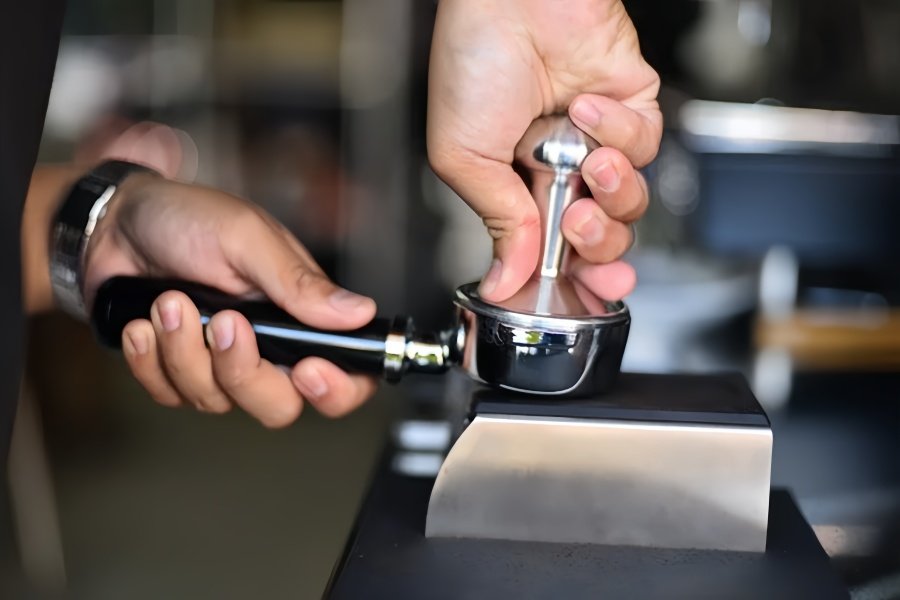
In a bustling cafe, a full-time barista may repeat the tamping motion 300 to 500 times a day. This high-frequency, repetitive action, which requires applying specific pressure (typically between 15 and 30 pounds), can easily lead to severe occupational health issues like carpal tunnel syndrome and tendonitis if paired with poor equipment design. Exceptional ergonomic design is not merely about a “comfortable grip”; it is about scientifically distributing physical stress.
1. Precise Consideration of Handle Size and Shape
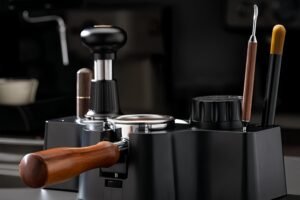
An ergonomic handle design must conform to the natural curvature of the human palm.
Diameter and Height: The ideal handle diameter typically ranges from 30 to 38mm, with a height of 80 to 100mm. Handles that are too thin cause grip fatigue, while those that are too short fail to provide adequate leverage, forcing baristas to use their wrists rather than their arms and shoulders.
Shape Contour: A rounded top contour fits seamlessly into the palm, directing the applied force vertically downward. This keeps the wrist in a neutral position, significantly reducing joint compression.
2. Center of Gravity and Weight Distribution
A high-quality commercial coffee tamper typically weighs between 400g and 600g and must feature perfect weight distribution.
Base Weight: The base should account for over 60% of the total weight (approximately 300-350g). This “bottom-heavy” design leverages physical inertia to provide natural downward momentum, minimizing the initial force required from the barista. This significantly reduces muscle fatigue in high-volume environments. Furthermore, a precision-machined base ensures a perfect fit between the tamper and the filter basket.
3. The Innovation of Palm Tampers
For commercial environments with exceptionally high output volumes, palm tampers offer a revolutionary solution.
Fatigue Reduction Mechanism: This design entirely discards the traditional long handle in favor of a flat or mushroom-shaped, wide top. Baristas no longer need to “grip” it with their fingers; instead, they apply force directly using the palm of their hand. This forces the user to shift the pivot point of force from the fragile wrist to larger muscle groups like the forearms, shoulders, and back, preventing problematic wrist bending angles entirely.
II. Tamping Quality: The Cornerstone of Extraction Consistency
In a commercial context, coffee quality is not just about tasting good; it is about tasting equally good in every single cup. Output consistency is the core of building customer loyalty.
The Terminator of Channeling: If the coffee puck is unevenly tamped or has inconsistent density, highly pressurized water will find the path of least resistance. This leads to over-extraction in some areas (yielding a burnt, bitter taste) and under-extraction in others (resulting in a sharp, sour taste). A premium commercial coffee tamper minimizes channeling through precise base edge design and level guidance.
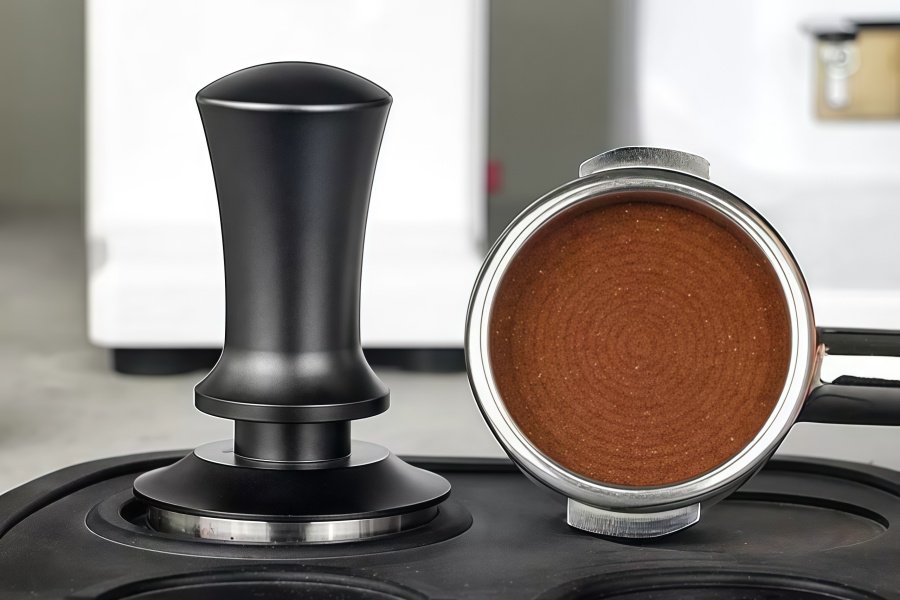
The Key to Flavor Locking: Tamping quality directly impacts the stability and final quality of espresso extraction. Whether it is the presentation of rich crema or the unfolding of complex flavor profiles, everything is built upon a solid, uniform coffee puck. In specialty coffee shops, utilizing a high-precision commercial coffee tamper with minimal tolerance against the basket is an absolute prerequisite for unlocking the true flavor of the coffee beans.
III. Commercial ROI Analysis: The Economics of Equipment Upgrades
Many cafe owners may initially hesitate at the prospect of spending over a hundred dollars on a tamper. However, when factoring equipment costs into the overall operational framework, a high-quality commercial coffee tamper often pays for itself in a remarkably short time.
Tamper Type and ROI Comparison
| Tamper Type | Initial Budget Range | Expected Lifespan | Impact on Output Consistency | Overall ROI Performance |
| Basic Manual Tamper | $40 – $80 | 3-5 Years | Highly volatile; heavily reliant on barista’s condition. | Low. Prone to increasing bean waste. |
| High-End Ergonomic Manual | $100 – $150 | 5-10+ Years | Good; provides strong long-term stability. | High. Durable and protects staff health. |
| Calibrated/Spring-Loaded | $150 – $250 | 3-5 Years (Requires spring replacement) | Highly consistent; eliminates pressure variations. | Very High. Drastically reduces waste rates. |
| Automatic Tamping Station | $600 – $2,500 | 3-7 Years | Perfectly consistent; zero human error. | Very High. Ideal for ultra-high traffic cafes. |
Reducing Hidden Costs
When calculating ROI, hidden costs must be taken into account:
Material Wastage: Every failed espresso extraction translates to wasted coffee beans and time. Premium commercial coffee tampers can minimize these waste rates.
Staff Turnover and Workplace Injury: Wrist strain caused by inferior equipment leads to sick leave and even employee turnover. Protecting employee health means protecting the store’s production capacity.
Training Efficiency: Commercialized, standardized tamping equipment significantly shortens the training cycle for new employees, enabling them to quickly produce standard-compliant coffee.
IV. The Advantage of Source Manufacturing: Top-Tier Quality Within Reach
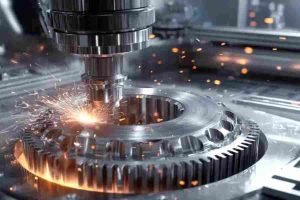
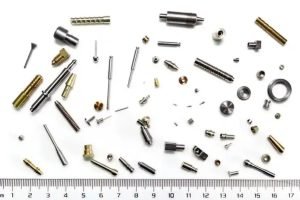
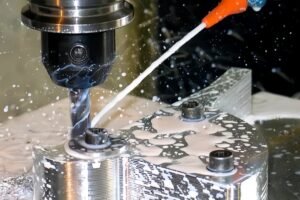
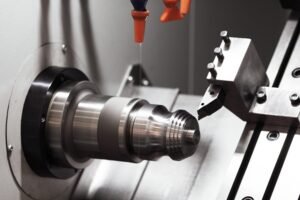
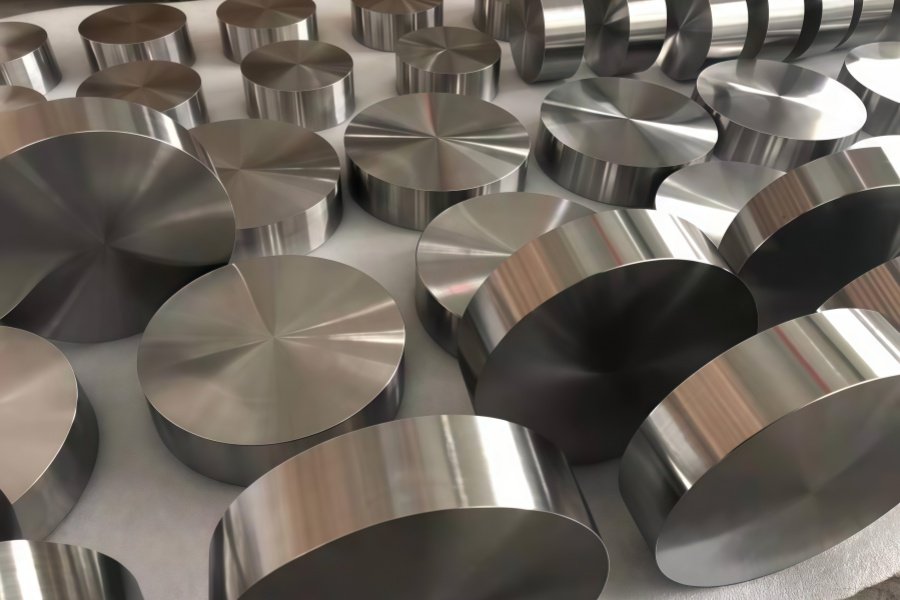
Having deeply understood the importance of a commercial coffee tamper in ergonomics and ROI, the key lies in acquiring industry-leading equipment within a reasonable budget. As a source manufacturer deeply cultivated in the field of CNC precision machining for over a decade, XML Tech knows that the birth of a perfect commercial coffee tamper is inseparable from an ultimate pursuit of metal cutting processes and dimensional tolerances.
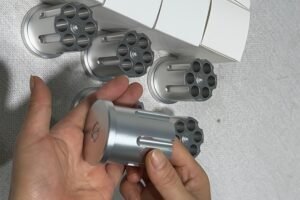
For years, we have operated behind the scenes as the core OEM/ODM factory for numerous world-renowned coffee tamper brands. From micron-level precision turning of the base to the seamless integration of ergonomic handles, we master the industry’s cutting-edge manufacturing techniques. Because we are a direct source factory, we eliminate all middleman markups. This allows us to provide you with commercial coffee tampers of the same—or even higher—quality as first-tier international brands at highly competitive and affordable prices. Whether you are purchasing standard products or seeking customized OEM services for your brand, our direct-from-source cost advantages ensure that every penny of your equipment investment yields maximum returns.
Conclusion
In the operational ecosystem of commercial coffee, a commercial coffee tamper is by no means a trivial accessory. Instead, it serves as the critical bridge connecting upfront equipment investments with final product output. Selecting a high-precision commercial coffee tamper equipped with superior ergonomic design and proper weight distribution is not just a pursuit of extraction quality, but a substantive safeguard for employee health. In the long run, this seemingly minor investment will undoubtedly translate into exceptionally high business returns by reducing material waste, boosting serving efficiency, and lowering operational costs.
Would you like me to adapt any specific section of this text to make it shorter and punchier for a B2B LinkedIn post or website landing page?