In custom manufacturing, precision machining, and sheet metal fabrication, aluminum sheet metal stands out as one of the most versatile, cost-effective, and reliable materials available. Offering an exceptional strength-to-weight ratio, superior corrosion resistance, and outstanding thermal and electrical conductivity, aluminum powers critical components across the automotive, aerospace, electronics, marine, and medical hardware industries.
However, choosing the wrong aluminum alloy grade, thickness, or raw form can lead to cracked bend lines, poor surface finishing, excessive tool wear, or structural failure under load.
This comprehensive engineering guide breaks down the standard forms of aluminum, evaluates the most popular alloy grades, analyzes key pros and cons, highlights common selection mistakes, and provides a quick decision framework for your next manufacturing project.
1. Standard Aluminum Shapes and Forms
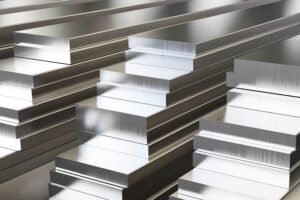
Aluminum raw material is manufactured in several fundamental geometric forms. Selecting the correct shape at the procurement stage reduces material waste, lowers machining cycle times, and optimizes structural performance.
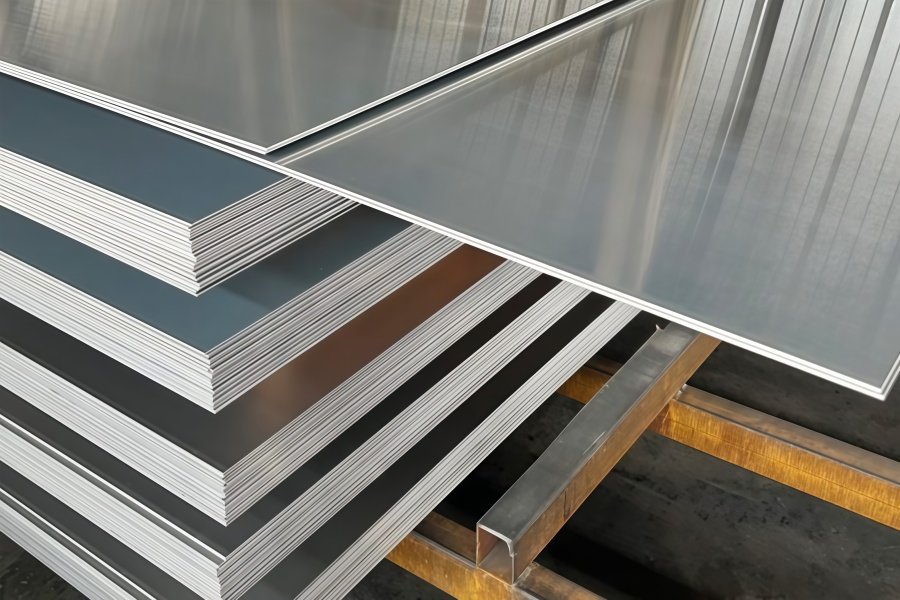
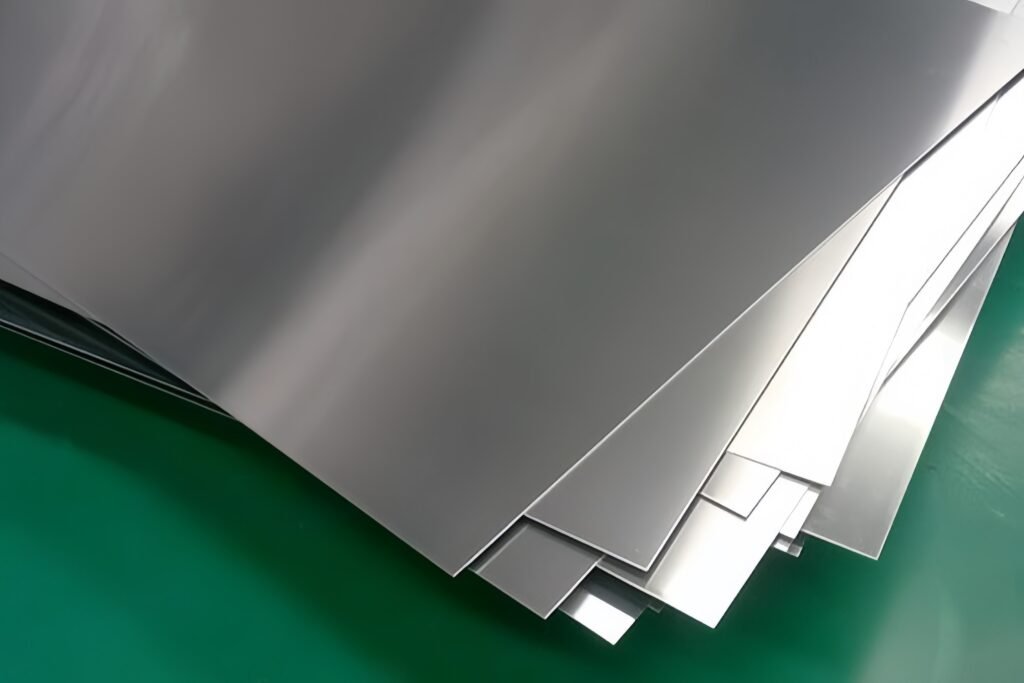
A. Aluminum Sheet Metal
Thickness Range: 0.006 in to 0.249 in (0.15 mm to 6.33 mm)
Characteristics: Highly formable, pliable, and lightweight. It can be easily cut, stamped, punched, and bent using press brakes.
Primary Uses: Electronic enclosures, equipment chassis, automotive body panels, HVAC ductwork, brackets, and decorative fascia.
B. Aluminum Plate
Thickness Range: 0.250 in (6.35 mm) and thicker
Characteristics: High flat-plane structural stability and rigidity. Designed for deep CNC milling, heavy load bearing, and high-stress structural applications.
Primary Uses: Aerospace wing skins, precision fixture plates, heavy machinery bases, molds, and marine structural decks.
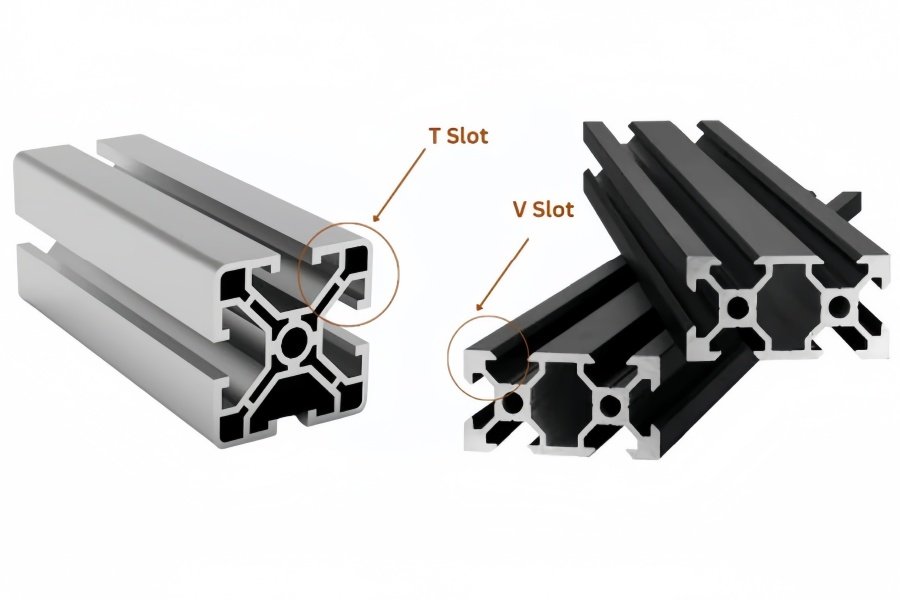
C. Extrusions & Structural Profiles
Characteristics: Formed by forcing heated aluminum through a shaped die to create continuous cross-sections (e.g., T-slots, L-angles, U-channels, and hollow tubes).
Primary Uses: Modular framing systems, heat sinks, window frames, structural rails, and conveyor tracks.
D. Rods, Bars, and Tubing
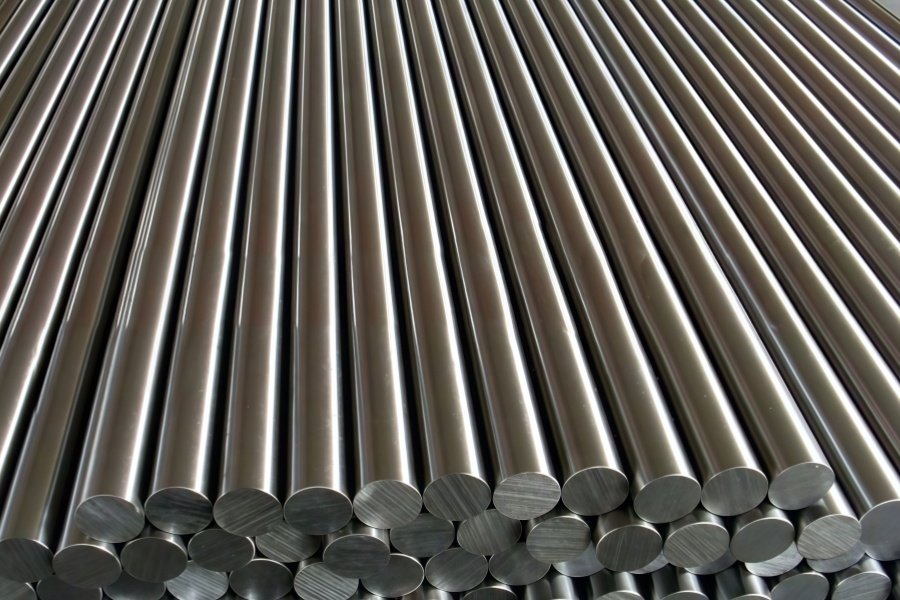
Geometries: Round, square, hexagonal, rectangular solid stock, or seamless hollow tubing.
Characteristics: Uniform grain structure designed for high-speed CNC turning, milling, and fluid transmission.
Primary Uses: Fasteners, bushings, drive shafts, hydraulic fittings, and structural frames.
2. Key Aluminum Alloy Series & Popular Grades
Aluminum is alloyed with elements such as magnesium, silicon, copper, zinc, and manganese to enhance specific mechanical properties. The 4-digit classification system categorizes these alloys by their primary alloying element.
| Alloy Series | Primary Alloying Element | Key Engineering Characteristics |
| 1100 Series | Pure Aluminum (99.0%+) | Excellent conductivity & corrosion resistance; low strength |
| 2024 Series | Copper (Cu) | High strength, aircraft-grade; lower corrosion resistance |
| 3003 Series | Manganese (Mn) | Good formability, general-purpose, non-heat treatable |
| 5052 Series | Magnesium (Mg) | Exceptional marine corrosion resistance & bending capability |
| 6061 Series | Magnesium & Silicon (Mg-Si) | Ultimate structural versatility & high CNC machinability |
| 7075 Series | Zinc (Zn) | Ultra-high strength; supreme aerospace performance |
Deep Dive into Top Commercial Grades
1. Aluminum 5052 (The Sheet Metal Workhorse)
Primary Forms: Aluminum sheet metal, coils, and thin plates.
Key Traits: Non-heat-treatable, exceptional fatigue strength, superior marine-grade corrosion resistance, and excellent cold-formability.
Best Applications: Sheet metal enclosures, fuel tanks, marine hardware, cabinets, and deep-drawn housings.
2. Aluminum 6061 (The CNC Machining & Structural Standard)
Primary Forms: Plates, extruded bars, rods, structural tubing, and heavy sheets.
Key Traits: Heat-treatable (commonly supplied in T6 temper), balanced tensile strength (~310 MPa / 45 ksi), excellent machinability, and highly responsive to color anodizing.
Best Applications: Precision CNC machined hardware, structural frames, automotive suspension brackets, and optical mounts.
3. Aluminum 7075 (Aerospace-Grade Strength)
Primary Forms: Heavy plates, solid bars, and forged blocks.
Key Traits: Alloyed with zinc; yields tensile strength comparable to structural steel (~570 MPa / 83 ksi) while maintaining a lightweight profile.
Best Applications: Aircraft structural fittings, defense components, high-stress gears, and injection molds.
4. Aluminum 3003 & 1100 (High Formability & Ductility)
Primary Forms: Thin aluminum sheet metal, foils, and coils.
Key Traits: Soft, highly ductile, excellent thermal conductivity, and easily welded, but limited structural load capacity.
Best Applications: Heat exchangers, spun hollowware, chemical equipment, and decorative architectural trim.
3. Engineering Property & Selection Comparison
The following matrix compares the mechanical and manufacturing characteristics of the most specified aluminum alloys:
| Alloy Grade | Common Form | Yield Strength (MPa) | Machinability | Bending & Formability | Weldability | Corrosion Resistance | Typical Industry Uses |
| 3003-H14 | Sheet, Coil | 145 | Fair | Excellent | Excellent | Very Good | HVAC, kitchenware, stamping |
| 5052-H32 | Sheet, Plate | 195 | Fair | Excellent | Good | Excellent | Marine enclosures, brackets, chassis |
| 6061-T6 | Bar, Tube, Plate | 276 | Excellent | Fair | Good | Very Good | CNC milled parts, frames, fixtures |
| 7075-T6 | Heavy Plate, Bar | 503 | Excellent | Poor | Poor | Fair | Aerospace spars, gears, defense parts |
| 2024-T3 | Sheet, Plate, Bar | 324 | Good | Fair | Poor | Fair | Aircraft rivets, structural fittings |
4. Pros and Cons of Aluminum Sheet Metal & Components
Evaluating the practical trade-offs of aluminum ensures optimal design-for-manufacturability (DFM):
Key Advantages (Pros)
High Strength-to-Weight Ratio: Delivers up to 65% weight reduction compared to mild carbon steel without sacrificing structural integrity.
Superior Machinability: High-speed CNC turning and milling of aluminum requires lower power consumption and achieves significantly faster cycle times than stainless steel or titanium.
Natural Corrosion Resistance: Passivates automatically upon exposure to oxygen, forming a protective surface oxide layer that resists rust.
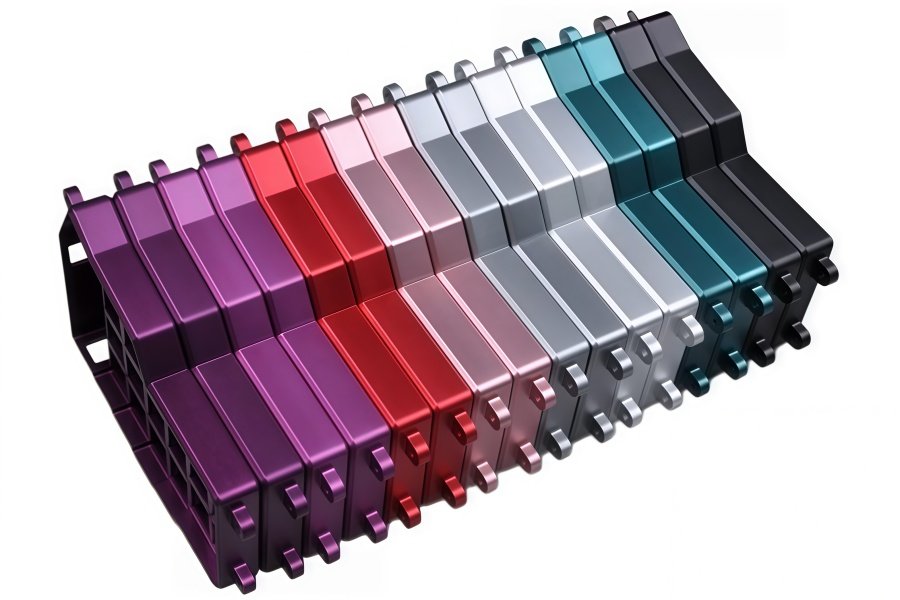
Versatile Surface Finishing: Highly compatible with Type II clear/color anodizing, Type III hardcoat anodizing, chromate conversion coating, powder coating, and bead blasting.
Limitations & Challenges (Cons)
Elastic Springback in Bending: Aluminum sheet metal exhibits higher elastic springback than mild steel during press brake operations, requiring precise tooling compensation.
Galling Risk in Threads: Uncoated or raw aluminum threaded holes are susceptible to galling and friction welding under high torque; helical thread inserts (heli-coils) are often recommended.
Raw Material Cost: Higher cost per kilogram compared to commercial mild steel.
Temperature Limits: Mechanical strength drops significantly at continuous operating temperatures above 200°C (392°F).
5. Top 3 Engineering Mistakes to Avoid
Avoiding these material selection pitfalls saves time, reduces scrap rates, and prevents structural failures:
Confusing Steel Gauge with Aluminum Gauge:
The Pitfall: A 16-gauge steel sheet is approximately 0.0598 inches thick, whereas a 16-gauge aluminum sheet is 0.0508 inches thick. Ordering aluminum based on steel gauge charts results in undersized parts.
The Solution: Always specify material thickness in explicit decimal inches (e.g., 0.080 in) or millimeters (e.g., 2.0 mm) on engineering prints and CAD models.
Forming Hard Tempers with Tight Bend Radii:
The Pitfall: Attempting a 90-degree tight bend on 6061-T6 sheet metal often causes stress cracking along the outer bend radius due to low ductility.
The Solution: Use 5052-H32 aluminum sheet metal for bent housings, or maintain a minimum inner bend radius of R ≥ 1.5 × thickness when using 6061-T6.
Ignoring Unsupported Span Deflection:
The Pitfall: Specifying thin 0.040-inch aluminum sheet across a 24-inch unsupported span leads to noticeable sagging and vibration under load.
The Solution: Either add structural stiffening ribs/embossments or upgrade to a thicker gauge (0.090 in to 0.125 in) for unsupported spans exceeding 12 inches.
6. Quick 30-Second Selection Framework
Need a fast answer for your engineering callout? Follow this decision framework:
Is your part a bent box, folded bracket, or sheet enclosure?
Choice: 5052-H32 Aluminum Sheet Metal (0.040 in to 0.125 in thickness). It offers smooth bending without cracking and high corrosion resistance.
Does your part require heavy 3D CNC milling, precise threaded holes, and tight tolerances?
Choice: 6061-T6 Aluminum Plate or Bar Stock. It cuts cleanly, produces short chips, holds tight tolerances (±0.01 mm), and anodizes evenly.
Is your part subjected to extreme structural loads, flight stress, or high fatigue?
Choice: 7075-T6 Aluminum. It provides steel-like yield strength at one-third the total mass.
7. Frequently Asked Questions (FAQ)
Q1: What is the most common thickness for aluminum sheet metal?
A: For general sheet metal fabrication, the most common thickness range is between 0.040 inches (1.0 mm) and 0.125 inches (3.18 mm). Thin panels and trim typically use 0.040 in to 0.063 in, while structural brackets, equipment chassis, and hatches utilize 0.090 in to 0.125 in.
Q2: What is the difference between 5052 and 6061 aluminum sheet metal?
A: 5052 is a non-heat-treatable alloy with high ductility, making it ideal for bending, forming, and marine environments. 6061 is a heat-treatable alloy with higher tensile strength and superior machinability, making it the top choice for CNC milling, turning, and structural frames.
Q3: How do I calculate millimeter thickness from decimal inches?
A: Multiply the decimal inch thickness by 25.4. For example, a 1/8-inch standard sheet (0.125 in × 25.4 = 3.175 mm).
Q4: Can aluminum sheet metal be welded easily?
A: Yes, alloys in the 3xxx, 5xxx, and 6xxx series (such as 3003, 5052, and 6061) exhibit good to excellent weldability using TIG (GTAW) or MIG (GMAW) welding methods with appropriate filler metals (e.g., 4043 or 5356). High-strength 2xxx and 7xxx series alloys are generally considered non-weldable due to hot cracking risks.
Partner with Precision Hardware & Machining Specialists
Whether you need custom aluminum sheet metal prototypes, press-brake bent brackets, high-speed 5-axis CNC machining, or specialized surface finishing, collaborating with an experienced hardware manufacturer ensures design compliance from initial DFM analysis to final delivery.
DFM Expertise: Real-time feedback on bend radii, tool clearances, and material selection.
Full-Service Manufacturing: Laser cutting, CNC punching, precision bending, CNC milling/turning, and surface treatments (Anodizing, Passivation, Powder Coating).
Quality Assurance: Full material traceability (MTC), CMM dimensional reports, and ISO-certified quality management.
Ready to start your next custom hardware project?
Submit your CAD files today to receive an instant DFM review and competitive quotation from our engineering team.