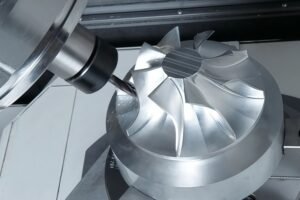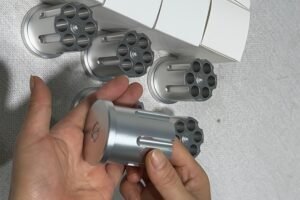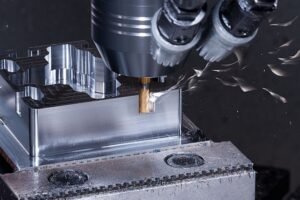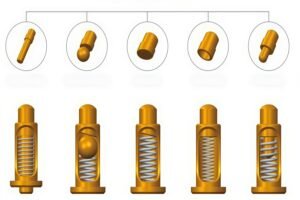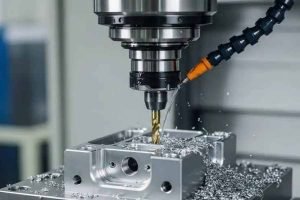
In modern high-end precision manufacturing, titanium alloys stand out as the preferred material for numerous cutting-edge industrial fields, thanks to their ultra-high specific strength, excellent fatigue resistance, and outstanding corrosion resistance. However, titanium is also widely recognized as one of the most difficult-to-machine materials in the precision machining industry.
Titanium component manufacturing involves extremely high scrap costs. Without precise control over cutting heat, tool wear, and material deformation during CNC machining, parts will suffer from out-of-tolerance dimensions and residual internal stress, which may lead to fatal structural defects. As an experienced comprehensive precision hardware manufacturer, Shenzhen Xinmingliang Technology Co., Ltd. has in-depth expertise in special material processing. This article elaborates on the full-process precision machining of titanium alloy parts from material properties, core machining challenges, advanced CNC cutting strategies, industrial applications, and professional quality control standards.
1. Why Choose Titanium Alloys? Core Advantages and Common Grades
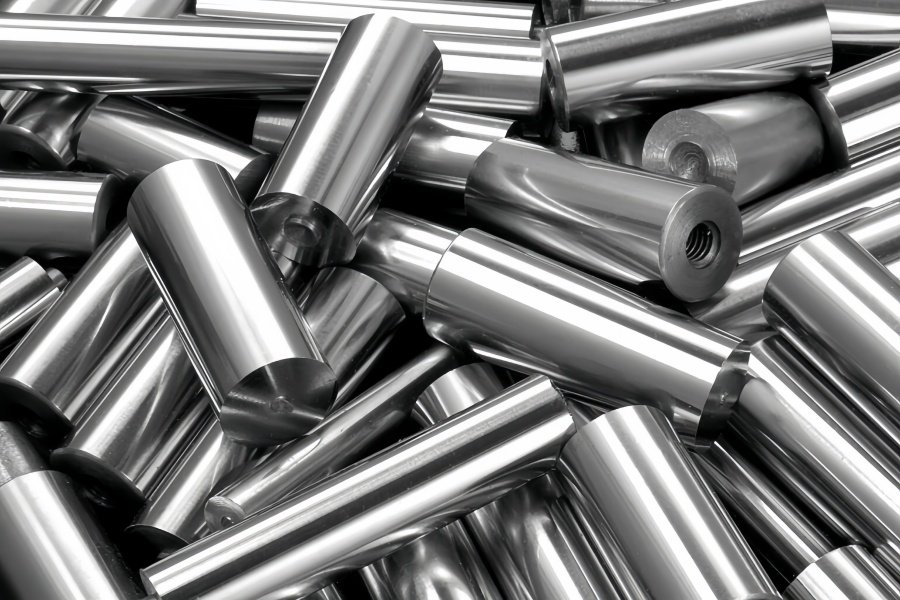
To achieve high-precision titanium machining, it is essential to master its fundamental physical properties, which differ greatly from aluminum alloy and stainless steel. In custom CNC manufacturing, we mainly process two mainstream titanium materials:
Grade 2 (Commercial Pure Titanium)
Pure titanium features excellent corrosion resistance and ductility. Although its mechanical strength is lower than titanium alloys, it is widely applied in chemical equipment, marine engineering components, and medical device housings. Its biggest machining difficulty is material softness, which easily causes built-up edge and tool sticking during cutting.
Grade 5 (Ti-6Al-4V Titanium Alloy)
As the most widely used industrial titanium alloy, Grade 5 accounts for more than 50% of global titanium consumption. By adding 6% aluminum and 4% vanadium to pure titanium, it achieves a tensile strength of over 900 MPa and significantly improved heat resistance. Ti-6Al-4V is extensively used in aerospace fasteners, turbine blade bases, and high-performance racing connecting rods.
2. Three Core Challenges of Titanium Alloy CNC Machining
Conventional machining parameters often fail on titanium materials. Based on our long-term mass production experience, the processing difficulty of titanium alloys mainly stems from three physical characteristics:
Low Thermal Conductivity
Titanium alloy has an extremely low thermal conductivity, only 1/6 of 45# steel and 1/15 of aluminum alloy. During cutting, heat cannot dissipate quickly through chips, and up to 80% of cutting heat accumulates on the tool edge and local workpiece surface. The extreme high temperature instantly softens tool coatings, causing rapid tool wear and edge chipping.
Low Elastic Modulus Leading to Springback and Chatter
The elastic modulus of titanium alloy is only half that of steel. Under cutting force, titanium is prone to elastic deformation. For thin-walled parts, severe springback and machining chatter frequently occur, resulting in uncontrollable dimensional tolerance and poor surface roughness.
High Chemical Reactivity and Work Hardening
Titanium presents high chemical activity under high-temperature cutting conditions. It easily adheres to cutting tools and forms built-up edge (BUE). When the built-up edge peels off, it tears off tiny carbide particles from the tool surface. In addition, improper cutting parameters will cause rapid surface work hardening, making subsequent cutting far more difficult.
3. Professional Solutions for High-Efficiency Titanium Machining
To overcome the above difficulties and produce micron-level precision titanium components, we adopt a complete set of standardized and advanced CNC cutting strategies:
Optimized Tool Geometry and Coating
We use ultra-fine grain carbide end mills with unequal pitch and variable helix angles to suppress machining vibration. For tool coatings, TiAlN and AlTiN coatings are preferred. These coatings form a protective aluminum oxide film at high temperatures, providing outstanding hot hardness and wear resistance for continuous titanium cutting.
Trochoidal Milling and Chip Load Control
We apply advanced CAM programming for trochoidal milling, maintaining a constant tool engagement angle and uniform chip load. Following the principles of low spindle speed, high feed rate, and climb milling, our process effectively avoids work hardening and extends tool service life by 2 to 3 times.
High-Pressure Coolant System
Our CNC machining centers are equipped with high-pressure and high-flow coolant systems (1000 PSI or higher). The coolant is precisely sprayed onto the tool-workpiece contact zone to achieve instant cooling. Meanwhile, high-pressure fluid breaks flexible titanium chips effectively and prevents secondary cutting scratches on the workpiece surface.
4. Typical Industrial Applications of Precision Titanium Components
With mature titanium machining capabilities, we provide custom manufacturing services for high-precision and complex titanium parts for global clients (focusing on precision component processing, not complete machine assembly).
Aerospace
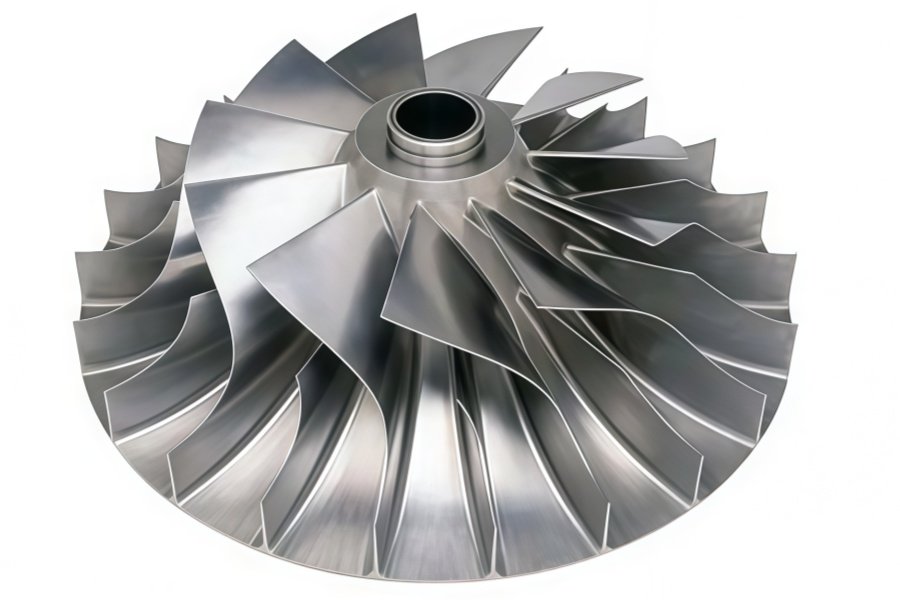
Benefiting from its high specific strength, titanium alloy is widely used in aerospace structures. We custom-make aircraft landing gear components, engine precision fasteners, hydraulic valve bodies, and turbine rotor parts that require extreme reliability and stability.
Medical & Dental Devices
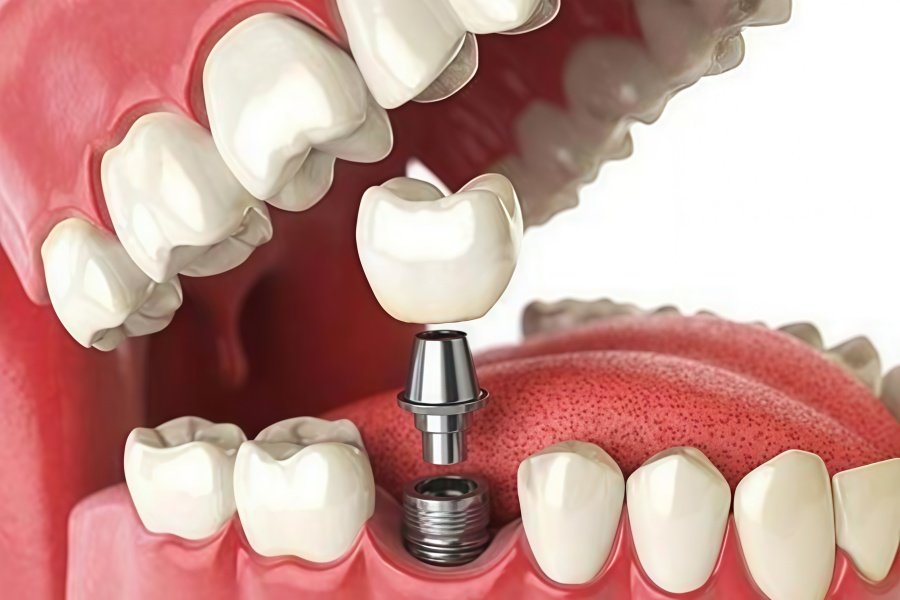
Thanks to excellent biocompatibility, titanium is the ideal material for medical implants. We undertake batch processing of bone fixation plates, artificial joint components, dental implants, and precision surgical accessory parts that meet medical-grade standards.
High-Performance Automotive & Racing
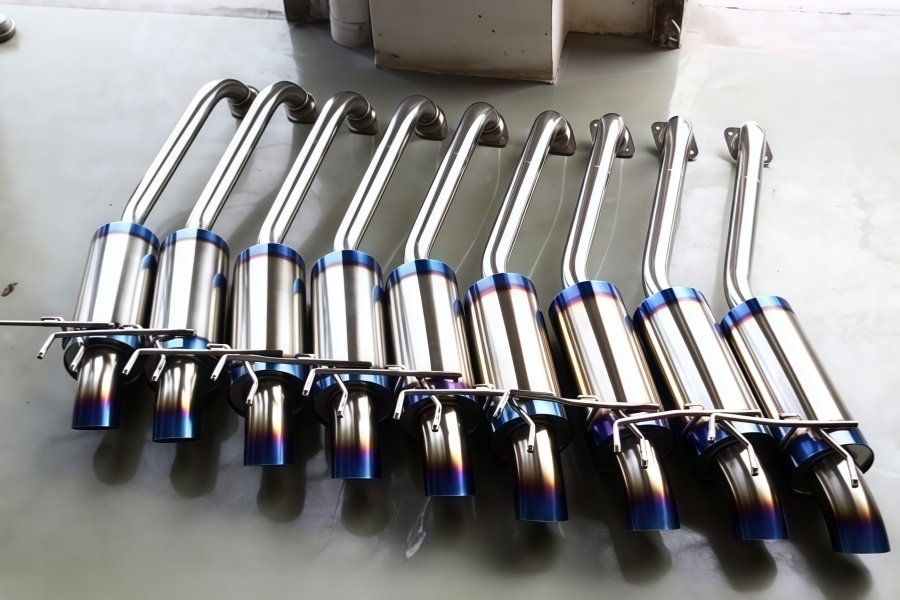
For racing and high-performance vehicles pursuing lightweight and high-temperature resistance, we manufacture core modified hardware including exhaust system flanges, valve spring seats, and high-strength connecting rods.
Marine & Chemical Equipment
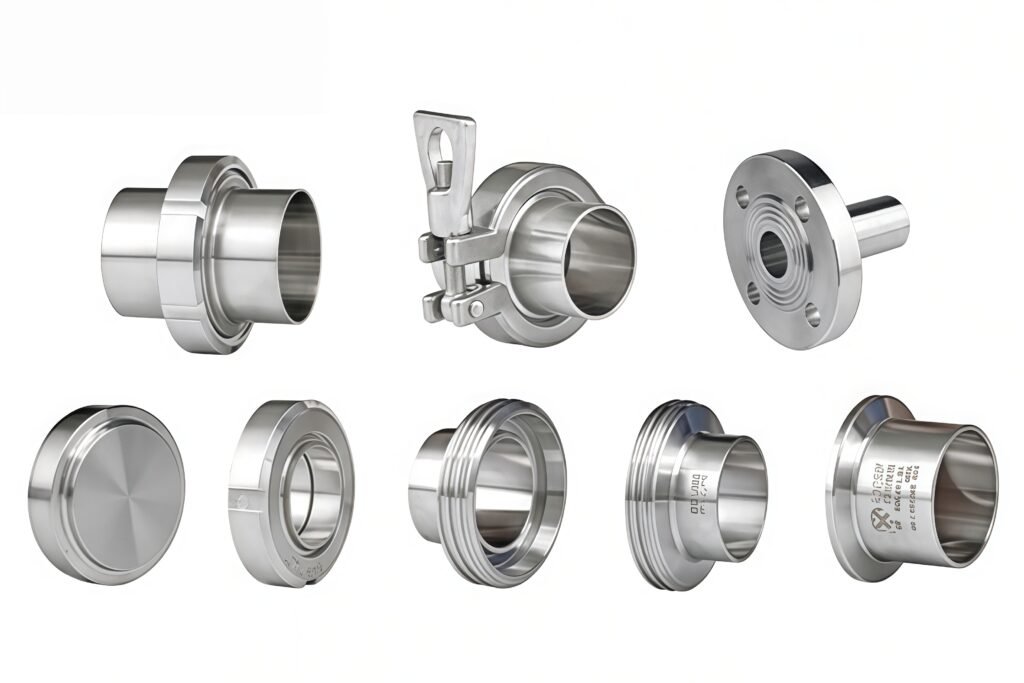
Utilizing titanium’s superior corrosion resistance, we produce sealed housings for deep-sea detectors, internal parts of acid and alkali resistant pump valves, and sensor shells for marine and chemical industrial equipment.
5. Strict Quality Control and Inspection System
The high material cost of titanium allows zero error in processing. For components applied in aerospace, medical and other critical fields, dimensional accuracy and surface integrity are non-negotiable.
Stress Relief and Deformation Control
For complex thin-walled titanium parts, we arrange stress relief annealing after rough machining to release residual internal stress, ensuring stable dimensional accuracy in finish machining.
CMM Precision Inspection
All first-piece products and mass production sampling parts undergo full-dimensional inspection via high-precision coordinate measuring machines (CMM) to ensure all geometric dimensioning and tolerancing (GD&T) fully comply with customer drawings.
Full Material Traceability (MTC)
We exclusively adopt 100% qualified original factory materials and can provide complete material test certificates (MTC) for full quality traceability.
6. Your Reliable Partner for All-Round Precision Component Manufacturing
Shenzhen Xinmingliang Technology Co., Ltd. focuses on custom CNC machining of precision hardware structural parts. We understand that high-end manufacturing requires cross-material processing capabilities, which is our core competitive advantage.
Our processing capabilities cover not only titanium alloy, aluminum, copper and stainless steel, but also various difficult-to-process special materials:
Superalloys: Professional processing of Inconel and other high-temperature resistant alloys for extreme high-temperature and high-pressure working conditions.
High-Performance Engineering Plastics: Proficient in precision machining of PEEK, POM, PTFE and other special plastics, effectively solving common defects such as deformation and tool marks.
Whether you need complex titanium racing parts or high-precision PEEK medical components, our multi-axis CNC team provides reliable support from prototype sampling to mass production.
FAQ
Q1: Why is titanium machining cost much higher than aluminum?
A1: First, the raw material cost of titanium is far higher than aluminum alloy. Second, titanium’s poor thermal conductivity and high hardness lead to longer machining time, usually 3 to 5 times that of aluminum. In addition, severe tool wear requires frequent replacement of high-performance coated cutters. All these factors result in higher overall processing costs.
Q2: What titanium grades can you process?
A2: We specialize in Grade 2 pure titanium and Grade 5 (Ti-6Al-4V). We also support customized processing for special grades including Grade 9 (Ti-3Al-2.5V) and aerospace-grade Ti-6Al-4V ELI with complete material procurement services.
Q3: What is the precision tolerance of titanium CNC machining?
Supported by constant-temperature workshops, high-end multi-axis CNC equipment and professional stress relief processes, we stably control titanium part tolerances within ±0.005mm to ±0.01mm. The ultimate accuracy depends on part geometry and wall thickness design.
Q4: Can you process other difficult-to-machine materials besides titanium?
A4: Yes. As a full-service precision hardware manufacturer, we have rich experience in processing high-temperature superalloys such as Inconel, as well as high-performance engineering plastics including PEEK and POM, providing one-stop precision component manufacturing solutions.
Start Your Next Precision Component Project Today
Send us your CAD drawings or 3D models, and our engineering team will provide professional DFM (Design for Manufacturability) analysis and accurate quotation within 24 hours.