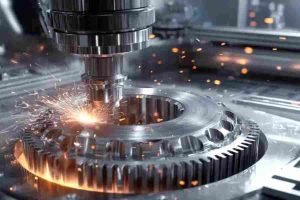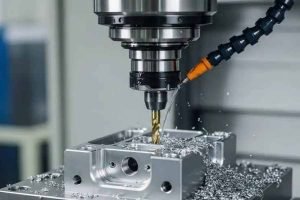
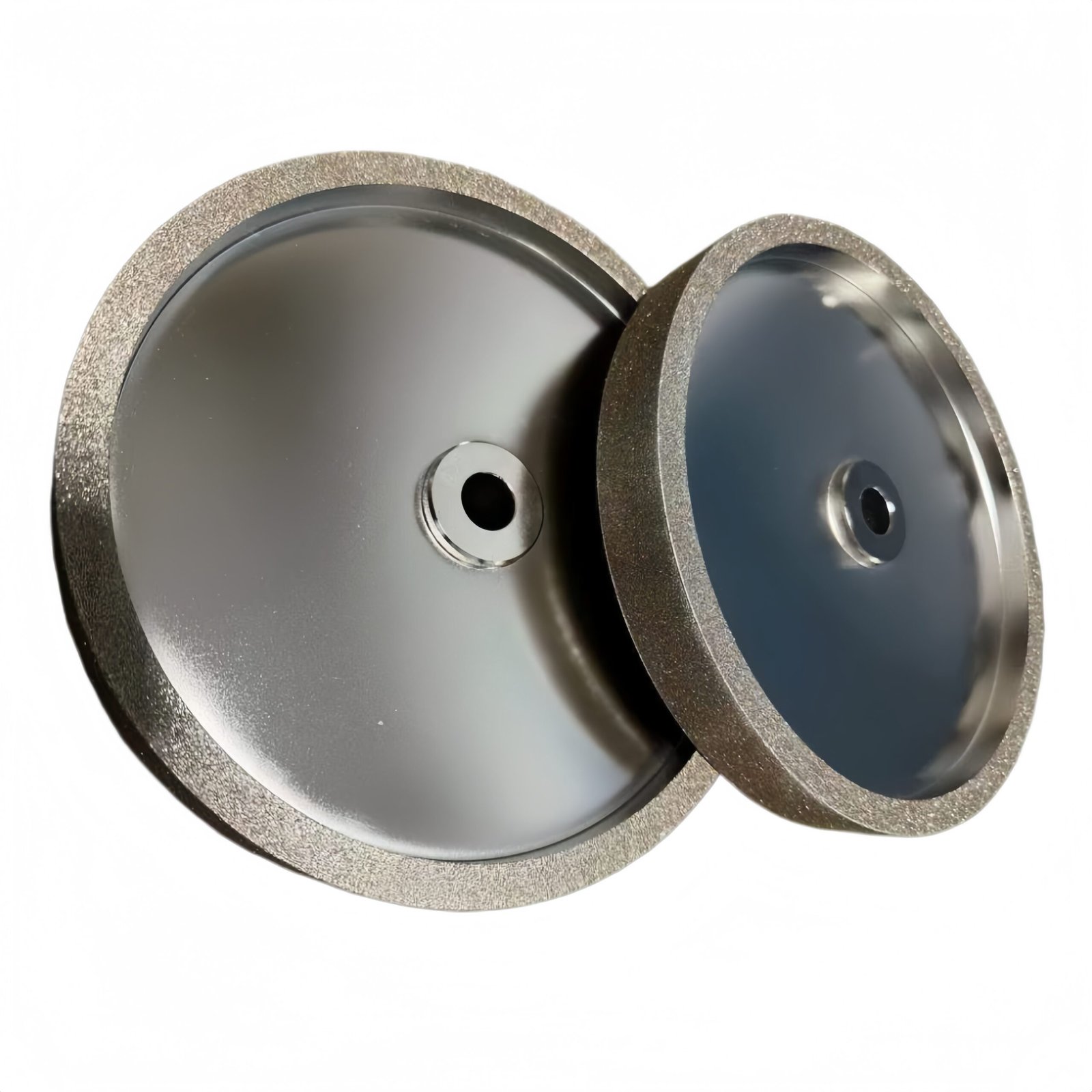
Diamond grinding wheels, as an important grinding tool, are widely used in fields such as mechanical engineering, aerospace and optics. With the continuous advancement of technology, ever-higher demands are being placed on the performance and manufacturing processes of diamond grinding wheels. This presentation will introduce the manufacturing methods for new types of diamond grinding wheels, as well as the current state of research and future trends regarding their grinding performance.
1. Methods for the Preparation of New Types of Diamond Grinding Wheels
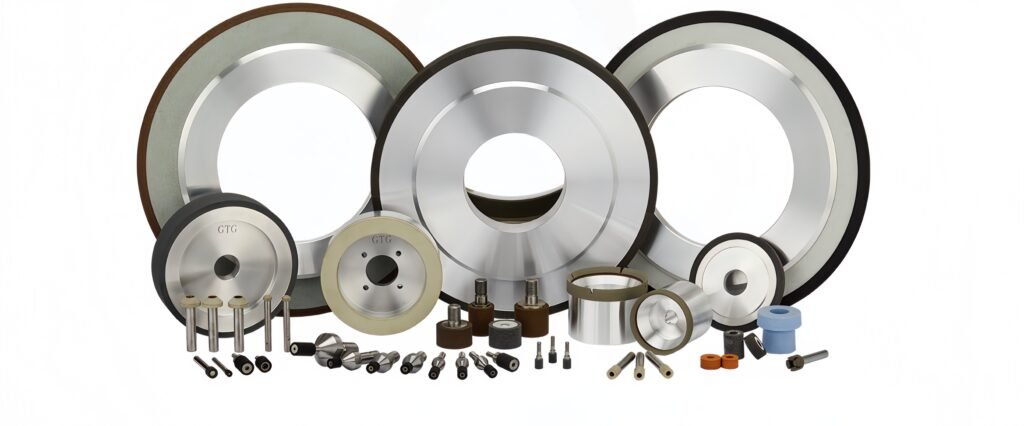
1.1 Preparation Process:
The manufacturing process for the new diamond grinding wheel mainly comprises the following steps:
(1) Select suitable raw materials, including diamond, bonding agents, fillers, etc.;
(2) Mix the raw materials thoroughly in specific proportions to form preformed blocks;
(3) Place the preformed blocks into moulds and sinter them under specific temperature and pressure conditions;
(4) Cool and dress the sintered grinding wheels to obtain the final product.
1.2 Selection of Raw Materials
The raw materials for diamond grinding wheels primarily consist of diamond, a bonding agent and a filler. Of these, diamond is the main abrasive component of the grinding wheel and must possess high hardness, wear resistance and thermal stability; the bonding agent serves to bind and provide structural support, and is generally made of cemented carbide or ceramic; whilst the filler is used to adjust the grinding performance and the strength of the grinding wheel.
1.3 Optimisation of Process Parameters
When manufacturing new types of diamond grinding wheels, it is necessary to optimise the sintering process parameters. Factors influencing these parameters include temperature, pressure and time. Through experimental investigation of these factors, the optimal process parameters can be identified, thereby improving the density, strength and grinding performance of the grinding wheels.
A Study on the Grinding Performance of Diamond Grinding Wheels
2.1 Grinding Force Test
Grinding force is one of the key indicators for evaluating the grinding performance of diamond grinding wheels. By conducting grinding force tests on new diamond grinding wheels, it is possible to understand the forces acting upon them during the grinding process, and thereby analyse their grinding efficiency and surface finish.
2.2 Grinding Temperature Testing
Grinding temperature is another important indicator for evaluating the grinding performance of diamond grinding wheels. During the grinding process, friction between the grinding wheel and the workpiece generates a significant amount of heat, causing the grinding temperature to rise. By conducting grinding temperature tests on new diamond grinding wheels, it is possible to assess their heat dissipation and service life.
2.3 Grinding Efficiency Test
Grinding efficiency is one of the key indicators for evaluating the grinding performance of diamond grinding wheels. It refers to the ratio of the volume of workpiece material removed per unit time to the volume of the grinding wheel worn away. By conducting grinding efficiency tests on new diamond grinding wheels, it is possible to assess their grinding capability under different operating conditions.
2.4 Analysis of Grinding Surface Quality
The surface finish of a diamond grinding wheel has a significant impact on machining accuracy and workpiece quality. By analysing the surface finish of a new type of diamond grinding wheel, it is possible to determine the surface roughness and geometric accuracy of the workpiece after machining.
3. Factors Affecting the Preparation and Grinding Performance of New-Type Diamond Grinding Wheels
3.1 The Effect of Temperature
Temperature is a key factor in the preparation and grinding processes of new-generation diamond grinding wheels. High temperatures can cause changes to the carbon structure of the diamonds, affecting their physical and chemical properties; they can also affect the performance of the bonding agent and filler, thereby influencing the strength and grinding performance of the grinding wheel. Consequently, temperature control is crucial to improving the preparation and grinding performance of new-generation diamond grinding wheels.
3.2 The Impact of Stress Factors
Pressure is also a key factor in the manufacture of new types of diamond grinding wheels. Appropriate pressure can improve the density of the raw materials and the strength of the grinding wheel, thereby enhancing its grinding performance. However, excessive pressure can result in the bonding force between the diamonds becoming too strong, reducing the grinding wheel’s efficiency. Therefore, controlling the pressure is also crucial to improving both the manufacture and the grinding performance of new types of diamond grinding wheels.
3.3 The Influence of Chemical Composition Factors
The chemical composition of new diamond grinding wheels also has a significant impact on their performance. The carbon content of the diamonds, the levels of impurity elements, and the composition of the bonding agents and fillers all influence the performance of the grinding wheels. By optimising the chemical composition, it is possible to further improve the quality of manufacture and the grinding performance of new diamond grinding wheels.