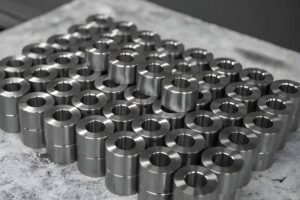
When engineering applications demand an extreme strength-to-weight ratio, resistance to severe thermal loads, and absolute protection against aggressive environments, titanium machined parts are frequently the ultimate design solution. However, the unique thermomechanical properties of titanium also render it one of the most demanding engineering metals to cut.
At Shenzhen Xinmingliang Technology Co., Ltd., we extend far beyond standard single-material manufacturing. As a full-capability precision hardware supplier, we leverage extensive, multi-axis machining expertise to tackle complex alloys. This comprehensive guide breaks down the material behaviors, machining hurdles, common grades, and Design for Manufacturing (DFM) principles required to successfully produce high-performance titanium machined parts.
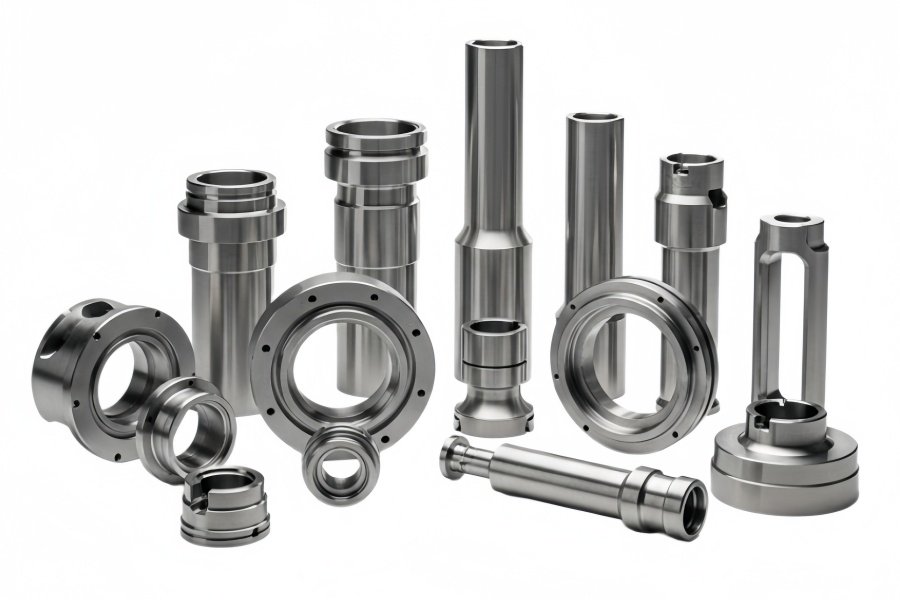
What is Titanium CNC Machining?
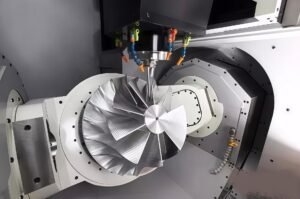
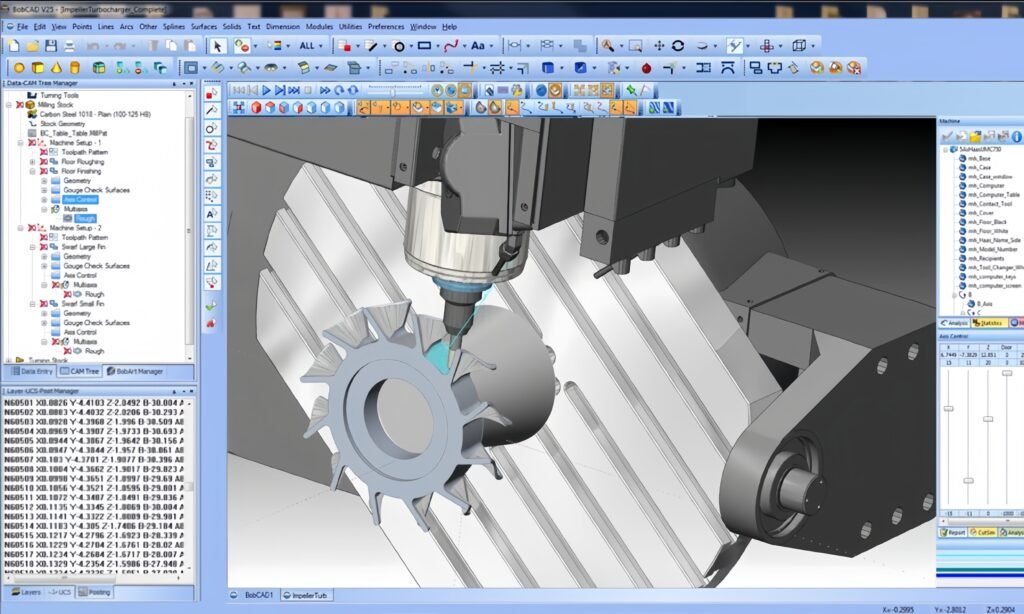
Titanium CNC machining is an advanced, high-precision subtractive manufacturing process that deploys computerized 3-axis, 4-axis, or 5-axis machining centers—along with precision Swiss lathes—to carve intricate, tight-tolerance components from solid titanium bars, plates, or forged billets. Unlike machining softer engineering plastics or conventional aluminum extrusions, processing titanium leaves zero margin for technical error. Because titanium exhibits pronounced chemical reactivity at elevated temperatures paired with exceptionally low thermal conductivity, successful production requires rigid spindle platforms, customized toolpath strategies, advanced hard-metal coatings, and high-pressure coolant delivery systems.
To achieve micrometer-level precision without compromising structural integrity or destroying expensive cutting tools, professional manufacturing engineering must account for severe thermo-mechanical constraints. When subjected to high cutting speeds, titanium experiences localized temperatures exceeding 600°C to 1,000°C at the shear zone, triggering a strong chemical affinity to react and weld itself to conventional tool substrates like tungsten carbide. This results in rapid adhesive wear and catastrophic tool failure. Concurrently, titanium acts as a thermal barrier that traps cutting heat directly at the edge and tool-chip interface.
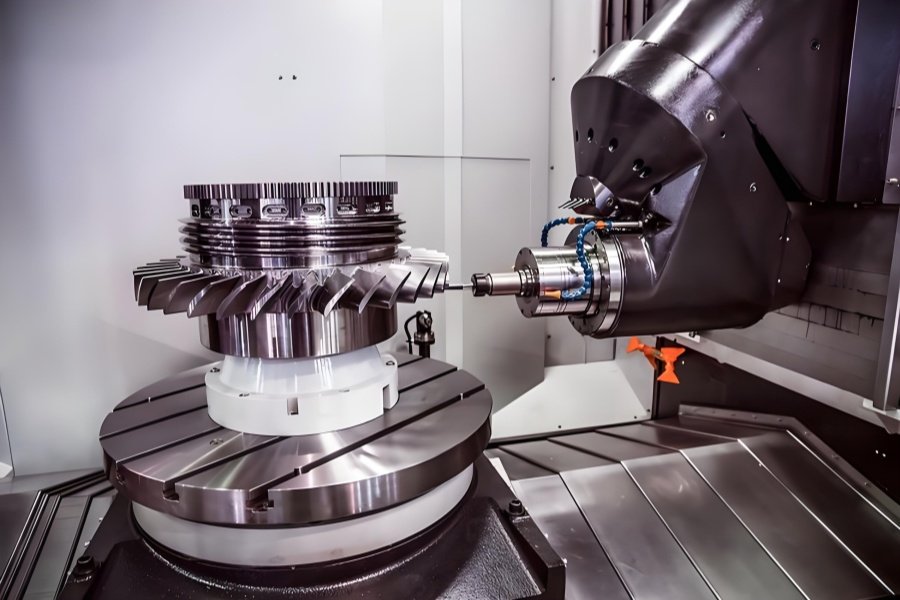
To systematically overcome these challenges, advanced machining workflows demand a holistic technical infrastructure. This begins with ultra-rigid machine tool platforms, heavy-duty cast-iron beds, and damped spindle architectures that eliminate chatter and maintain stable material removal rates under heavy loads. In terms of programming, traditional linear routines are replaced by adaptive clearing and trochoidal milling strategies that regulate chip loads and prevent thermal scorching. Cutting tools must be engineered with sharp, positive rake geometries and advanced PVD hard-metal coatings (such as AlTiN or TiSiN) to form a robust thermal and chemical barrier. Furthermore, standard flood coolant is insufficient due to the intense thermal vapor barrier; instead, high-pressure coolant (HPC) systems delivering fluids at 70 to over 100 bar are deployed directly to the rake face to fracture continuous chips, rapidly evacuate heat from the shear zone, and prevent surface distortion.
Core Advantages of Titanium Machined Parts
The higher raw material cost and specialized programming required for titanium machined parts are consistently justified by their unmatched mechanical attributes:
- Exceptional Strength-to-Weight Ratio: Titanium features a density of approximately 4.51g/cm3—roughly 45% lighter than steel—while offering a tensile strength that easily rivals high-grade alloy steels. This makes it indispensable for weight-critical aerospace structures and high-performance automotive assemblies.
- Superior Natural Corrosion Resistance: Upon direct exposure to oxygen or ambient moisture, titanium instantly forms an ultra-thin, tightly adherent, and self-healing titanium dioxide (TiO2) passivation layer. This grants titanium machined parts near-total immunity to saltwater immersion, chemical acids, and harsh industrial environments.
- High-Temperature Structural Stability: While conventional aluminum alloys experience a sharp decline in mechanical integrity past 200°C, select titanium grades (such as Ti-6Al-4V) retain structural strength and creep resistance at temperatures soaring past 600°C.
- Complete Biocompatibility: Titanium is entirely non-toxic and demonstrates a unique ability to achieve direct bone integration (osseointegration). Consequently, it is the premier material for precision medical device components, surgical tools, and structural orthopedic implants.
Primary Machining Challenges & Engineering Solutions
Many machine shops avoid working with titanium due to the complex physics involved in cutting it. Producing precision titanium machined parts requires overcoming three distinct physical hurdles:
1. Extreme Heat Accumulation (Low Thermal Conductivity)
- The Problem: Titanium’s thermal conductivity is a fraction of steel’s or aluminum’s. Instead of heat dissipating away through the generated chips, it concentrates directly at the cutting edge. Localized cutting temperatures can spike past 1000°C, causing micro-welding, rapid tool cratering, and sudden edge failure.
- Our Solution: We implement high-pressure through-spindle coolant (HPC) systems running at 1000+ PSI to blast heat away from the interface. Furthermore, we program advanced trochoidal milling toolpaths to limit tool engagement angles, giving the cutting edge crucial micro-seconds to cool down.
2. Rapid Work Hardening
- The Problem: Titanium quickly hardens under mechanical friction or rubbing. If a tool loses its sharpness or feed rates drop too low, the material undergoes immediate surface work-hardening, creating a hardened layer that prematurely destroys subsequent cutting passes.
- Our Solution: Our programming rule is simple: never dwell or rub. The cutting tool must maintain a consistent, positive chip load upon entry and exit to ensure a clean, shearing cut.
3. Chatter and Deflection (Low Elastic Modulus)
- The Problem: With a Young’s Modulus hovering around 110 GPa (about half that of steel), titanium components are “springy.” Under high cutting forces, thin sections easily deflect away from the tool, causing dimensional inaccuracies, chatter marks, and poor surface finishes.
- Our Solution: We use robust, specialized workholding strategies—such as custom soft jaws and zero-point clamping systems—while strictly minimizing tool overhang to guarantee maximum rigidity throughout the machining envelope.
Technical Overview: Common Titanium Grades for Machined Components
Choosing the correct alloy grade directly influences the machinability, cost, and service life of titanium machined parts:
| Titanium Grade | Standard / Material Designation | Key Characteristics & Mechanical Properties | Typical Industrial Applications |
| Grade 1 & Grade 2 | Unalloyed Commercially Pure (CP) Titanium | Exceptional corrosion resistance, high ductility, low strength compared to alloys, easy to form and machine. | Chemical processing equipment, marine hardware, heat exchangers, and medical implants. |
| Grade 5 | Ti-6Al-4V (Alpha-Beta Alloy) | The industry benchmark (“workhorse” alloy); extreme strength-to-weight ratio, high fatigue resistance, moderate heat resistance. | Aerospace structural components, turbine blades, high-end motorsport parts, and surgical devices. |
| Grade 7 & Grade 11 | Ti-0.2Pd (Palladium-Enhanced CP) | Superior resistance to crevice corrosion in reducing acids and halide environments, identical mechanical strength to Grade 2. | Harsh chemical processing environments, desalinization plants, and offshore oil/gas extraction. |
| Grade 23 | Ti-6Al-4V ELI (Extra Low Interstitial) | Higher purity version of Grade 5; enhanced fracture toughness, superior fatigue strength, and extreme biocompatibility at cryogenic temperatures. | Medical implants, orthopedic bone screws, surgical instruments, and deep-sea aquatic equipment. |
Advanced Surface Finishing Options
While a properly executed “As-Machined” finish provides tight tolerances and clean tool paths, secondary treatments can further enhance functionality or aesthetic appeal:
- Type II Color Anodizing: Unlike aluminum dyeing, titanium anodizing manipulates voltage to alter the thickness of the transparent surface oxide layer. Light refraction creates stunning, permanent iridescent colors (bronze, blue, purple, gold) without the risk of paint flaking.
- Bead Blasting: Micro-abrasive media blasting eliminates subtle tool paths, generating a uniform, tactile, glare-free matte finish.
- Passivation: Acid-bath chemical treatments remove free iron contaminants from the surface, accelerating the formation of the protective titanium dioxide layer to maximize anti-corrosion properties.
DFM Best Practices for Optimizing Titanium Components
Incorporating Design for Manufacturing (DFM) principles early in your engineering cycle will drastically reduce production time and scrap rates for titanium machined parts:
- Maintain Adequate Wall Thickness: Because of titanium’s lower elastic modulus, avoid ultra-thin walls where possible. We recommend maintaining a minimum wall thickness of 1.5mm to prevent deflection under tool pressure.
- Design Generous Internal Radii: Sharp 90-degree internal corners trap tools and induce severe stress concentrations. Specify large internal radii (R>0.15×pocket depth) so larger, more rigid end mills can sweep through smoothly via continuous circular toolpaths.
- Control Pocket Depth (L:D Ratios): Avoid deep, narrow cavities. Keep pocket depth-to-diameter ratios under 4:1 to prevent chip packing and tool breakage during deep-cavity milling.
- Provide Stable Clamping Faces: High cutting forces require secure fixturing. Always integrate flat, parallel clamping reference surfaces into your model to allow standard vise gripping, eliminating the need for expensive custom multi-axis fixtures.
Partner with a Full-Service Precision Manufacturer
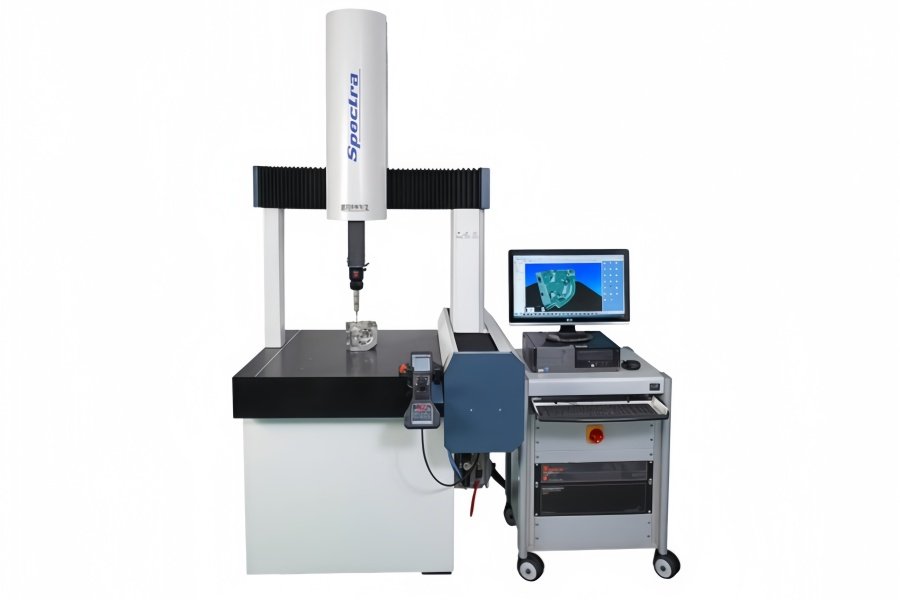
Manufacturing complex titanium machined parts requires more than advanced machinery—it demands a deep engineering understanding of material science, strict tool management, and robust shop-floor execution.
At Shenzhen Xinmingliang Technology Co., Ltd., our comprehensive manufacturing capabilities cover everything from high-precision CNC milling and Swiss turning to multi-material fabrication across aluminum, stainless steel, and demanding alloys like titanium.
Have a challenging design ready for production? Send us your engineering files today. Our technical team will provide a comprehensive DFM review and tailored manufacturing strategy to bring your components to life with optimal efficiency and precision.