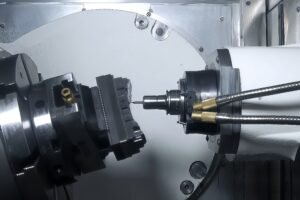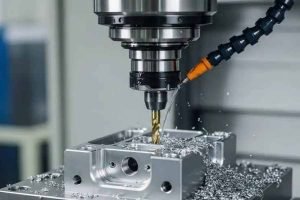
The specialty coffee accessories market is expanding rapidly, with baristas and coffee enthusiasts demanding professional-grade precision tools. However, manufacturing a high-end Stainless Steel Coffee Tamper presents unique technical hurdles for brands and product designers.
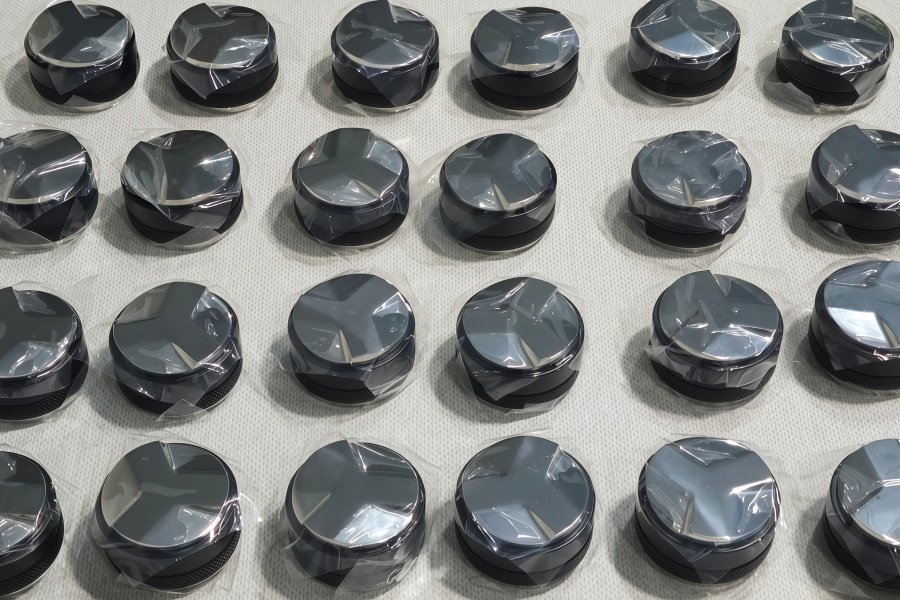
Partnering with general machine shops often leads to severe production bottlenecks:
Subpar Surface Finishes: Machining tool marks and uneven polishing ruin the product’s aesthetic and trap coffee oils, violating food hygiene expectations.
Material Non-Compliance: Unverified raw material sources make it impossible to guarantee authentic food-grade compliance, risking failed Amazon or customs inspections.
Low Mass-Production Yields: Unstable CNC programming and poor workholding design cause thread binding and dimensional drift, driving up scrap rates.
Sluggish Lead Times: Lack of dedicated production lines for high-volume orders results in missed launch windows and stockouts.
Prohibitive Costs: Middleman markups on raw materials and inefficient machining strategies inflate unit prices.
As a comprehensive hardware manufacturing facility, Shenzhen Xinmingliang Technology Co., Ltd. specializes in precision CNC machining for custom metal and plastic components. While we do not manufacture complete equipment, our deep expertise in high-precision parts manufacturing enables us to solve complex production challenges for coffee tools.
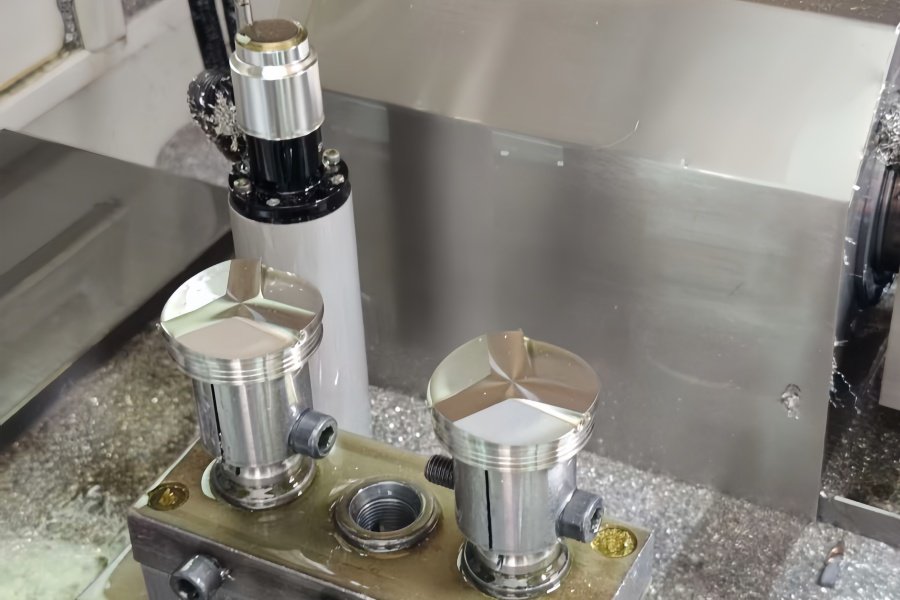
Here is a technical guide to the essential engineering, material science, and supply chain strategies required to manufacture premium espresso coffee tampers and distribution tools at scale.
Material Selection for Food-Safe Coffee Tamper: 304 vs. 316L
When engineering parts that come into direct contact with acidic coffee grounds and high-temperature moisture, material safety and chemical stability form the non-negotiable baseline. For a premium Stainless Steel Coffee Tamper, austenitic stainless steels are the industry standard, with product developers choosing between two primary grades: 304 and 316L.
304 Food-Grade Stainless Steel
304 stainless steel (18% chromium, 8% nickel) is the benchmark for food equipment.
Machinability: From a CNC machining perspective, 304 offers excellent chip formation and predictable tool wear during high-speed turning, enabling smooth primary surface finishes.
Cost-Effectiveness: It provides an ideal balance of durability and affordability, making it the dominant choice for mid-to-high-tier espresso coffee tampers.
Corrosion Resistance: It easily withstands standard kitchen environments and daily dry/wet cycles.
316L Stainless Steel
For competition-grade barista tools, 316L offers a superior material upgrade. The “L” denotes low carbon content, preventing carbide precipitation.
Molybdenum Addition: Containing 2–3% Molybdenum, 316L delivers exceptional resistance to pitting and crevice corrosion caused by organic acids in specialty coffee.
Commercial Durability: Under heavy daily use in commercial cafes, a 316L base maintains its structural integrity and surface sheen over a longer lifespan.
Machining Demands: 316L work-hardens quickly. It requires high-rigidity CNC setups, specialized carbide inserts with aggressive rake angles, and high-pressure coolant to prevent tool breakdown.
Material Traceability: To eliminate cross-contamination, we implement strict raw material isolation protocols. All raw stock is sourced directly from top-tier mills with 100% traceable Material Test Reports (MTR) and SGS certifications, ensuring compliance with FDA and LFGB food safety regulations.
Surface Finish Requirements for Espresso Tamper: Achieving a Low Ra Mirror Polish
An espresso coffee tamper base directly impacts extraction quality through its surface interaction with the coffee bed.
The Impact of Surface Roughness (Ra)
If a factory relies on standard turning passes without specialized finishing, microscopic tool marks remain on the metal base. During tamping, coffee lipids and micro-fines become trapped in these grooves.
Cross-Contamination: Trapped oils oxidize over time, imparting rancid off-flavors into subsequent shots and creating sanitation issues.
Channeling: A rough surface creates microscopic vacuum adhesion when lifting the tamper, cracking the coffee puck and causing severe water channeling during extraction.
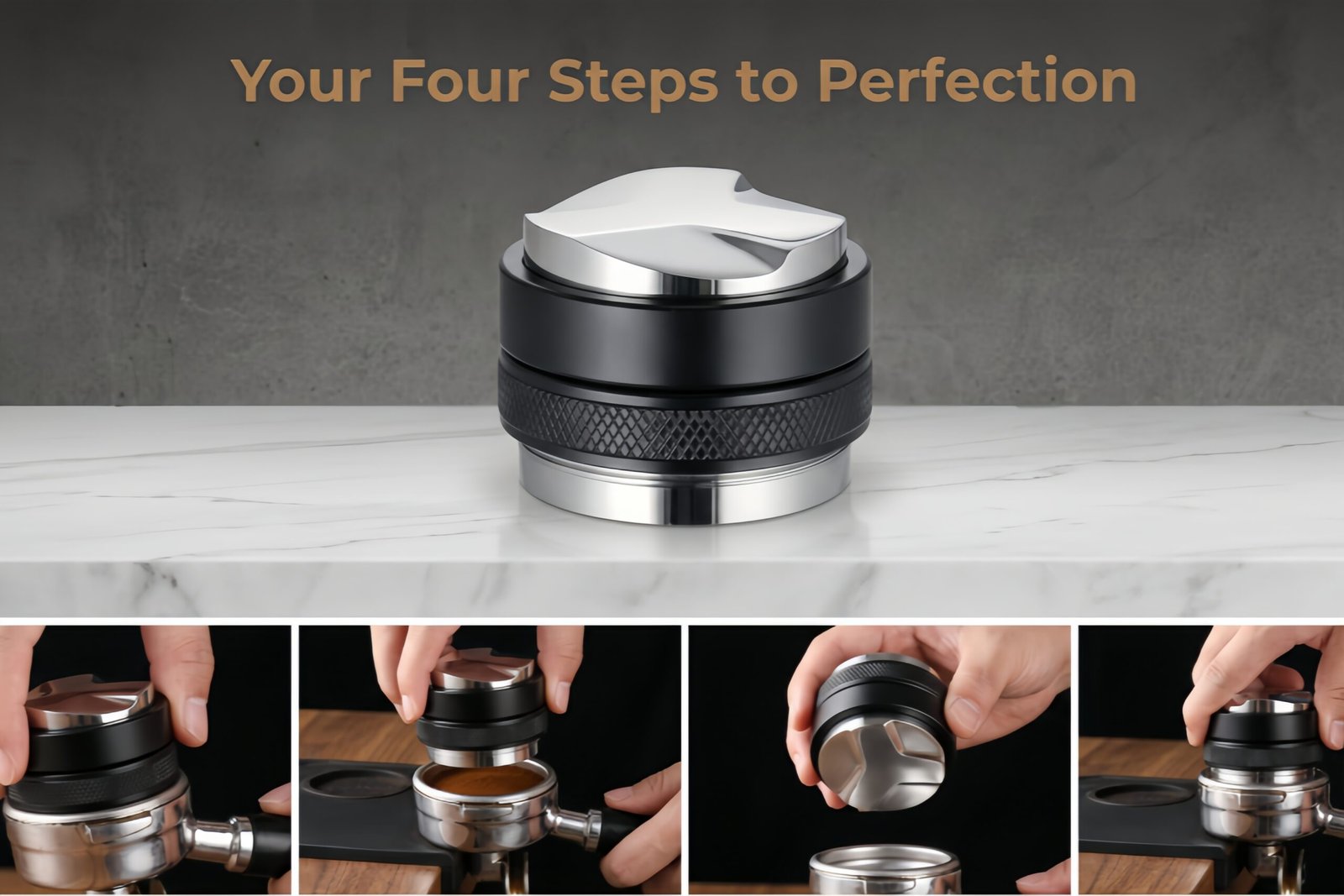
Multi-Stage CNC and Polishing Workflow
To engineer an anti-adhesion base, we target a surface roughness Ra below 0.2–0.4 µm through a multi-step process:
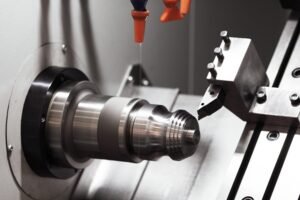
Precision Finish Turning: High spindle speeds and ultra-low feed rates are paired with custom wiper inserts to produce an extraordinarily smooth primary surface.
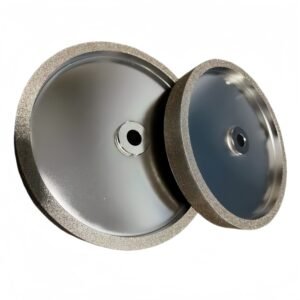
Gradient Mechanical Polishing: Parts move through a structured polishing line—starting with sisal wheels to remove residual micro-marks, progressing to cotton wheels, and finishing with soft loose-cotton wheels paired with specialized polishing paste.
Ultrasonic Cleaning & Passivation: Parts undergo multi-stage ultrasonic cleaning to strip away compound residue, followed by a citric acid passivation bath to accelerate the formation of a protective chromium oxide layer.
This delivers a mirror finish that repels coffee oils, wipes clean instantly, and provides a premium tactile experience.
Tolerance Control for Dual-Head Coffee Tamper
Modern espresso workflows frequently combine an espresso distribution tool and a tamper into an adjustable dual-head structure. This multi-component assembly requires strict dimensional tolerance control.
Portafilter Basket Matching
High-end portafilter baskets (e.g., IMS, VST) feature precise internal diameters (such as 58.50mm). If an espresso distribution tool base is machined under-sized, a gap remains along the basket wall, leading to perimeter bypass or “donut extraction.”
We utilize precision CNC turning centers to hold outer diameter (OD) tolerances within ±0.01mm to ±0.02mm, providing an exact edge-to-edge fit that eliminates un-tamped rings.
Thread Fit and Concentricity
Dual-head mechanisms rely on fine internal threads (such as M40x1.0) for depth adjustment.
The Challenge: Out-of-concentricity during threaded machining leads to galling (thread binding) or excessive wobble.
Our Solution: We machine internal and external threads in a single setup using live-tooling (turning-milling centers) to ensure perfect concentricity. Meticulously calculated clearance tolerances guarantee smooth thread rotation while keeping the tamping base perfectly parallel under pressure.
Balancing High Yield Rate, Fast Lead Time & Production Cost
Achieving top-tier quality, fast turnarounds, and cost control simultaneously requires process engineering rather than manual labor.
CAM Toolpath Optimization: Our engineers optimize G-code manually, implementing trochoidal milling and dynamic entry paths to shorten cycle times without accelerating tool wear.
Custom Pneumatic Fixtures: To eliminate part deformation and reduce manual loading time, we design and mill custom pneumatic fixtures in-house, enabling rapid loading/unloading and high repeatability.
Direct Bulk Procurement: Sourcing raw bar stock directly from primary mills eliminates trader markups and secures consistent material hardness across production lots.
This engineering-driven approach allows us to maintain competitive unit costs while upholding rigorous quality standards.
QC Inspection Process for Mass Production of Coffee Accessories
Quality control for high-volume coffee accessory manufacturing involves a multi-tiered inspection protocol:
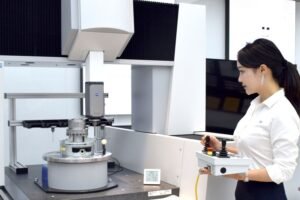
First Article Inspection (FAI): Before full production runs, the initial machined part undergoes complete dimensional verification on a Coordinate Measuring Machine (CMM) against the CAD model.
In-Process Monitoring: Operators perform scheduled dimensional audits using calibrated micrometers and thread gauges to catch tool wear before parts drift out of tolerance.
100% Visual QC Cleanroom: After polishing and ultrasonic cleaning, every component undergoes full manual inspection under standardized high-intensity lighting to screen for microscopic scratches, pits, or uneven luster.
Weight & Fit Assembly Verification: Assembled units are checked for smooth thread action and weighed individually to ensure consistent hand feel across the entire batch.
Case Study: Achieving 99.99% Yield on a 51mm Dual-Head Tamper
A client launching a 51mm dual-head coffee accessory (combining an espresso distribution tool and tamper) for the home espresso market faced severe production delays with their previous vendor. The previous supplier suffered from high scrap rates due to thread galling and inconsistent polishing, driving costs up and risking missed sales windows.
Our Engineering Solution:
Material Strategy: Direct bulk procurement of food-grade 304 stainless steel locked in material costs.
Machining Overhaul: Rewrote the CNC G-code and built custom pneumatic fixtures to stabilize turning operations and eliminate thread binding.
Dedicated Production Line: Assigned a dedicated machine cell to the project, reducing standard lead times by over 20%.
Integrated QC: Stationed inline visual inspection right after polishing to catch defects immediately.
The Results: We delivered the mass production run with a 99.99% qualified yield rate, solving the client’s thread binding issues and delivering a flawless mirror finish within budget and ahead of deadline.
To read the full case study, click on “51mm Dual-Head Tamper Case Study”
Looking for Custom Food-Grade Stainless Steel CNC Machining?
Whether you are launching a new Stainless Steel Coffee Tamper line or require precision CNC components for coffee equipment, Shenzhen Xinmingliang Technology Co., Ltd. provides the multi-axis machining capabilities and quality assurance needed for demanding applications.
Contact our engineering team today with your 3D CAD files for a comprehensive Design for Manufacturability (DFM) review and a custom CNC machining quote.