Aluminum and stainless steel are the two most common materials for custom coffee distributors. Each material features unique physical properties, machining difficulty, surface effects and cost performance. For coffee tool designers, OEM brands and B2B buyers, understanding their CNC machining differences helps select the best solution for mass production.
1. Material Performance Differences
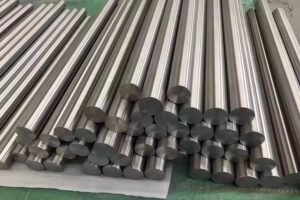
Aluminum alloy 6061 is the mainstream material for mid-to-high-end coffee distributors. It is lightweight, easy to machine, and supports colorful anodizing finishes. The material provides smooth rotation and comfortable hand feeling, suitable for daily commercial and household coffee equipment.
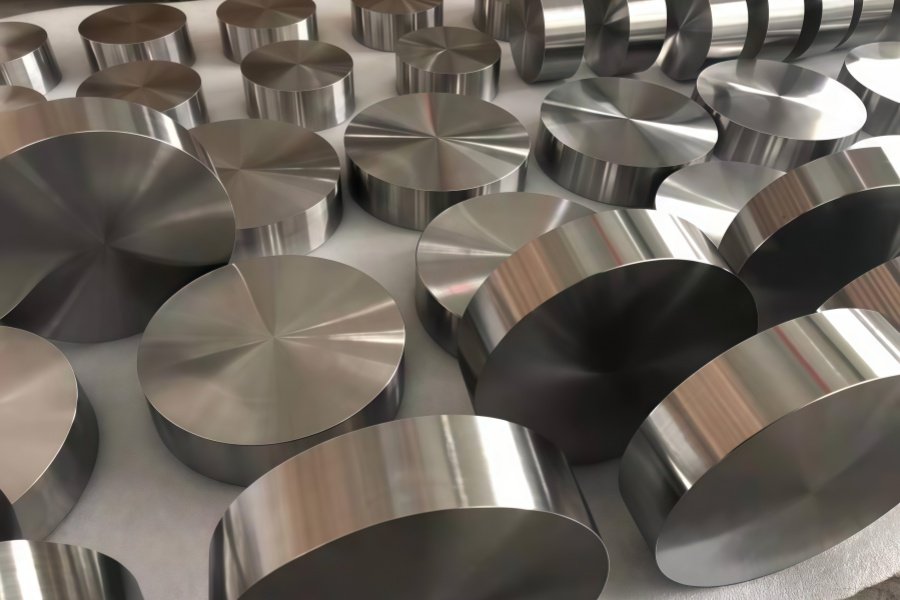
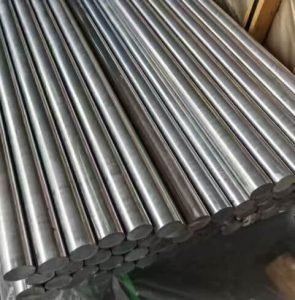
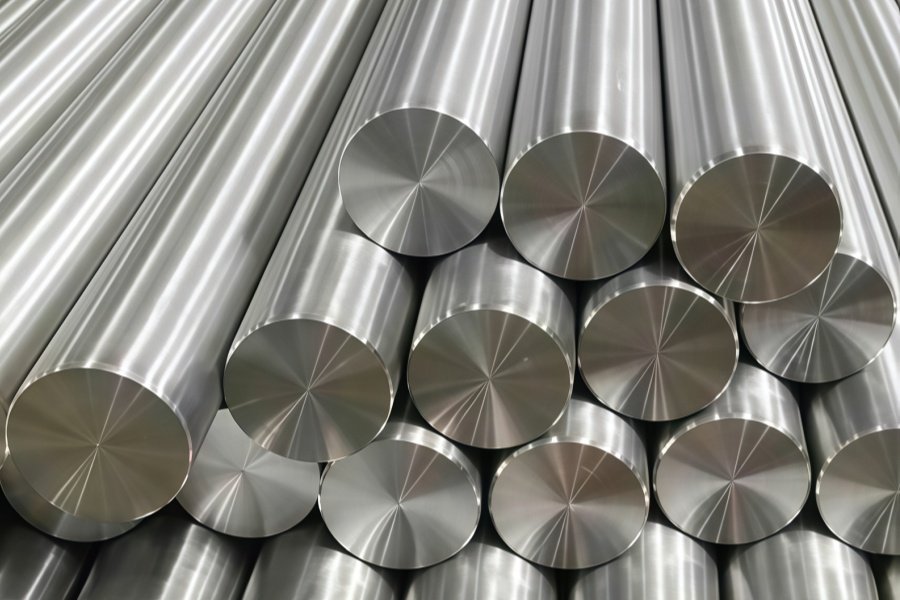
Stainless steel 304 is widely used for premium coffee tools. It offers extremely high hardness, strong wear resistance and stable chemical properties. Stainless steel distributors are scratch-proof, durable and have a heavy premium texture. The main disadvantage is higher density and harder machining performance.
2. CNC Machining Difficulty Comparison
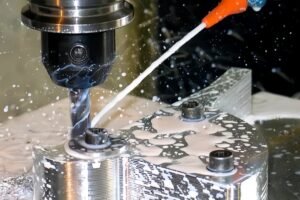
Aluminum is a friendly material for CNC turning and milling. It allows high spindle speed, clean chip removal and stable cutting precision. Complex structures such as ripple bases, spiral grooves and anti-slip textures can be processed efficiently. Mass production can maintain flatness tolerance within 0.02mm steadily.
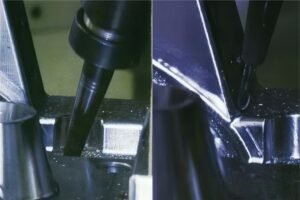
Stainless steel belongs to difficult-to-cut metal. It is prone to work hardening during processing, requiring low-speed cutting, professional tools and optimized machining parameters. Stainless steel consumes more tool loss and longer processing time. Strict clamping and repeated inspection are required to avoid deformation and size deviation.
3. Surface Finishing & Customization
Aluminum coffee distributors support sandblasting, ordinary anodizing and hard anodizing. Multiple customizable colors help brand owners achieve personalized product styling. Hard anodizing effectively improves surface hardness and scratch resistance.
Stainless steel distributors apply brushing, mirror polishing, bead blasting and PVD coating. Although color options are limited, stainless steel delivers superior metallic texture and long-term oxidation resistance.
4. Cost & Production Lead Time
Aluminum has lower material cost, faster machining speed and lower MOQ pressure. It is suitable for new product prototyping, small batch testing and large-scale mass production.
Stainless steel requires longer processing hours and higher production costs. It is more suitable for high-end positioning products that pursue durability and texture.
Conclusion
Each material has its own advantages in weight, appearance, durability and production cost. The correct material selection and professional CNC process control directly determine the flatness consistency and coffee extraction effect of the distributor.
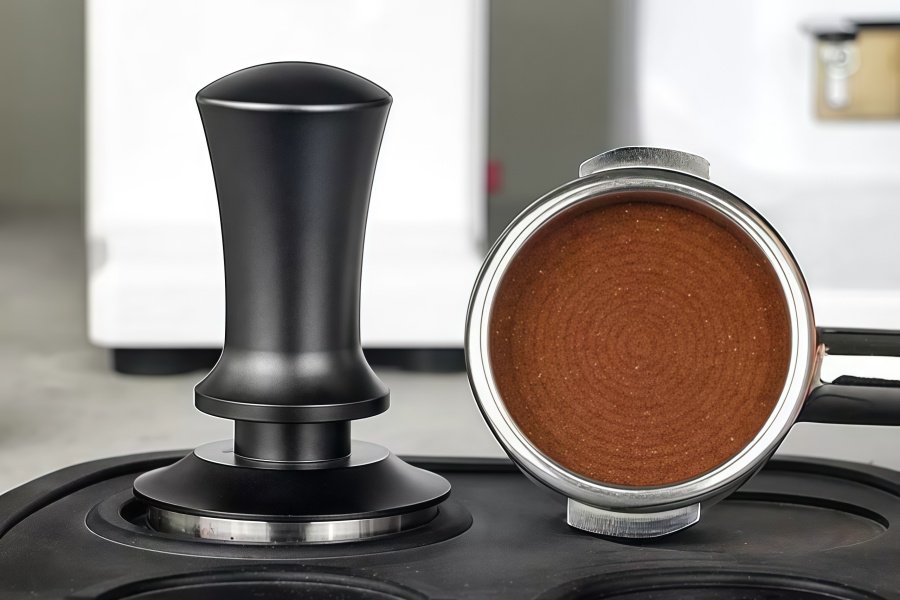
With more than ten years of CNC precision machining experience, we are a professional original factory specializing in custom coffee tool accessories. We are proficient in aluminum and stainless steel processing technology, providing DFM optimization, rapid prototyping and stable mass production services for global coffee brands. Welcome to send drawings for customized processing and quotation.