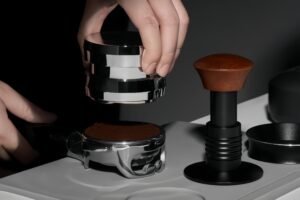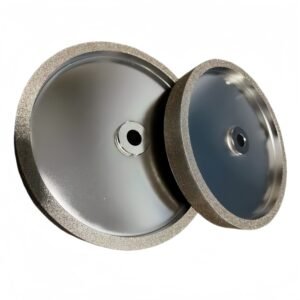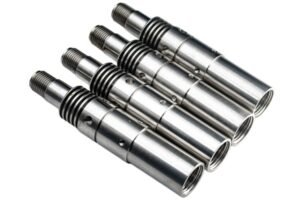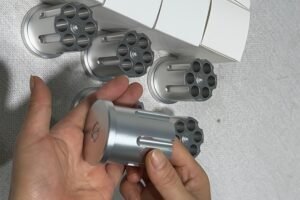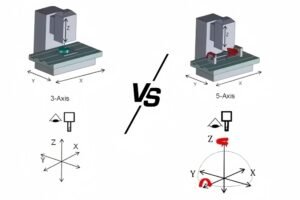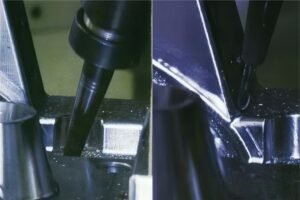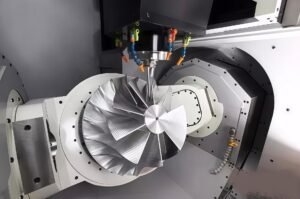
Many product engineers and purchasers confuse CNC prototyping and mass production processes. Using prototyping parameters directly for bulk production often results in higher costs, longer lead times and unstable yield rates. For precision non-standard hardware such as coffee tools, shaft sleeves and connectors, the standard CNC workflow is as follows:
1. Demand Review
Accept STEP / IGS 3D files and 2D engineering drawings. Verify material, tolerance, surface finish and export compliance requirements. Our engineers deliver DFM (Design for Manufacturability) optimization suggestions to adjust structures and reduce cost without compromising function.
2. CNC Prototyping
Programming, fixture preparation and trial cutting for the first article. Full dimensional inspection with calipers and CMM, followed by surface treatment as requested before sample delivery. Prototyping focuses on verifying dimension, assembly and hand feel rather than production efficiency.
3. Trial Production & Process Finalization
After sample approval, we carry out small-batch trial runs. Cutting parameters, spindle speed and fixturing schemes are optimized to eliminate chatter, deformation and appearance defects, locking standardized mass-production processes.
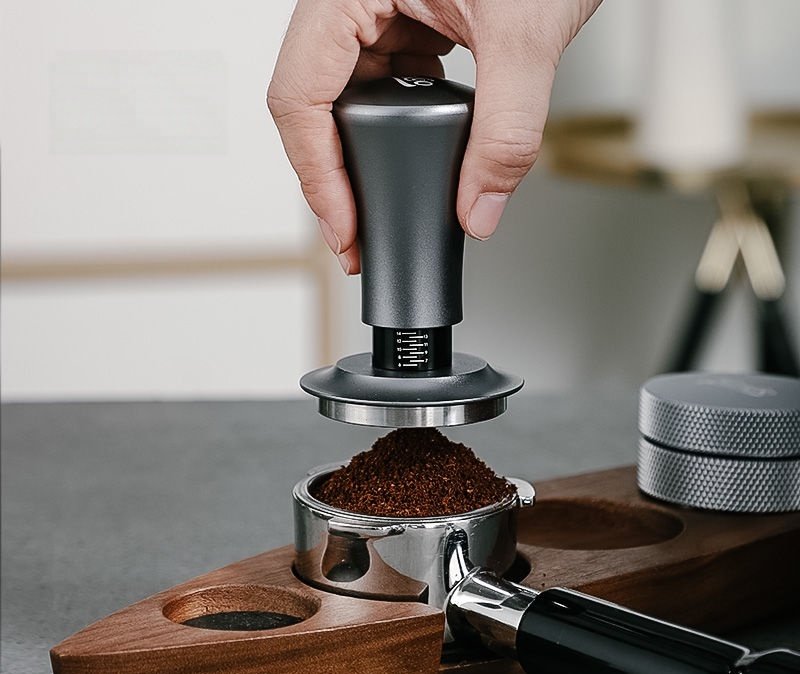
4. Mass Production & Process Control
Custom fixtures are used in mass production to improve consistency. Periodic sampling inspection is implemented to stabilize yield.
5. Final Inspection, Protective Packaging & Shipment
Precision parts are packed with individual protective packaging. QC documents and compliance certificates can be supplied for export orders.
We offer CNC turning and milling services for non-standard precision hardware, including prototyping and mass production. Coffee tools and automation shaft sleeves are welcome for quotation with drawings. Visit our CNC custom turning service page for more information.