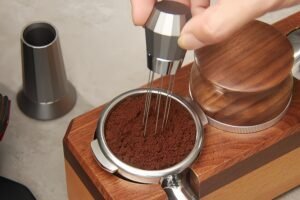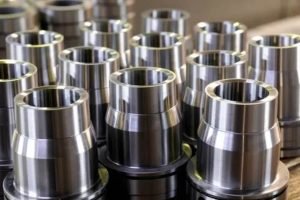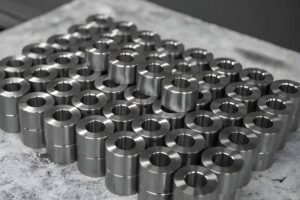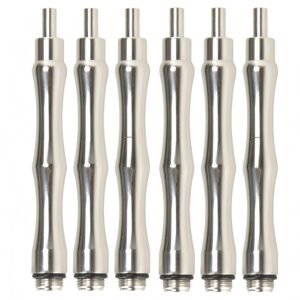
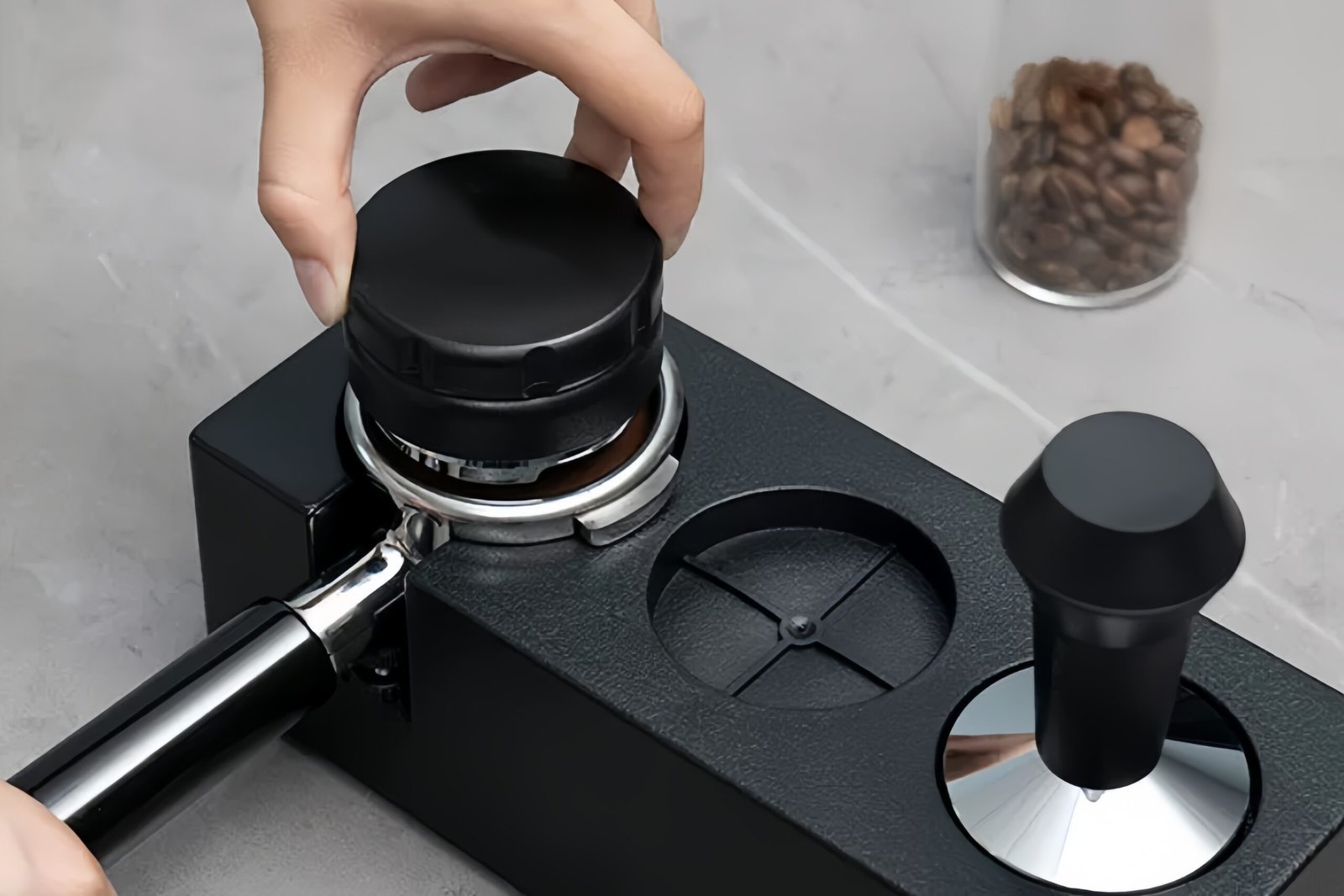
In the specialty coffee industry, precision is not just a marketing buzzword—it is a technical requirement. From the perfect geometric concentricity of a rotary blade distributor to the micro-tolerance fit of an adjustable coffee tamper, the quality of premium espresso tools depends heavily on how they are manufactured.
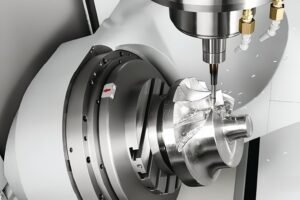
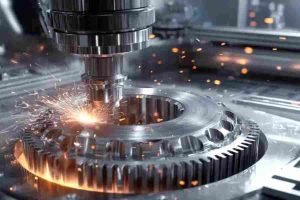
For global coffee brands, Kickstarter innovators, and hardware product designers, choosing the right manufacturing process is critical. While die-casting and stamping suffice for low-end market goods, precision CNC machining remains the gold standard for premium, competition-grade coffee tools.
In this B2B guide, we break down the engineering pain points, material standards, and manufacturing secrets behind producing world-class coffee accessories that command high retail margins.
1. Overcoming the Common Engineering Pain Points
When scaling from a 3D prototype to mass production, many coffee brands face consistent quality issues with lower-tier suppliers. Precision CNC turning and milling directly solve these manufacturing flaws:
Thread Sloppiness & Wobbling: Adjustable distributors rely on smooth internal threading. If tolerances are too loose, the base wobbles during depth adjustments, leading to uneven coffee beds and espresso channeling. Precision CNC turning centers lock thread tolerances within ±0.01mm ensuring a buttery-smooth, premium tactile resistance.
Concentricity Deviation: If the center of mass of a heavy-base coffee tamper is misaligned by even a fraction of a millimeter, it applies uneven pressure during tamping. CNC multitasking lathes finish the outer diameter and central bore in a single setup, guaranteeing absolute concentricity.
Visible Tool Marks: Premium coffee tools require flawless aesthetics. Subpar machining leaves heavy micro-ridges on the metal. Advanced Swiss-type CNC machines achieve an exceptional surface finish straight off the machine, drastically reducing the labor required for subsequent polishing.
2. Food-Grade Materials & Advanced Surface Finish Options
American and European buyers demand strict adherence to safety and aesthetic compliance. Selecting the right combination of material and finish defines your product’s market positioning.
Material Selection
| Material | Technical Grade | Best Suited For | Key Engineering Benefit |
| Stainless Steel | SUS304 / SUS316 | Tamper Bases, Distributor Facets | 100% food-safe, corrosion-resistant, provides the heavy weight preferred by baristas. |
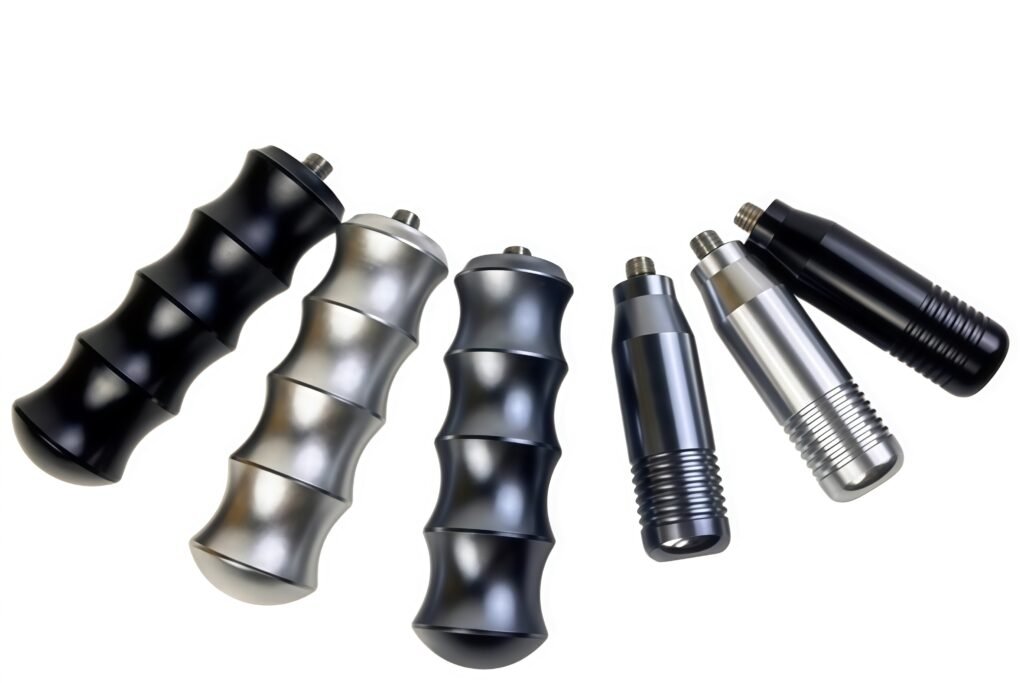
| Aircraft-Grade Aluminum | Al6061 / Al7075 | Handles, Adjustable Adjustment Rings | Lightweight, high tensile strength, perfect for complex geometric milling and color customization. |
| Premium Brass | C3604 | Accent Rings, Internal Counterweights | Adds a luxury aesthetic weight and a retro, high-end contrast to anodized aluminum. |
Surface Finishing Capabilities
To elevate your product above the competition, your hardware manufacturer must offer flexible, high-tier finishing:
Mirror Polishing: Hand-buffed and machine-polished stainless steel bases that achieve a flawless, reflection-grade surface to prevent coffee ground adhesion.
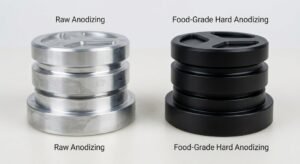
Type II Anodizing: Applied to aluminum handles to offer rich, scratch-resistant colors (such as deep matte black, titanium grey, or space silver) that do not fade or peel under commercial cafe usage.
Laser Engraving: High-definition fiber lasers to etch precise scale lines, depth markers, and corporate branding logos directly onto the components without creating tactile burrs.
3. Seamless Scaling: From Low-MOQ Prototypes to Mass Production
Hardware development is a journey of continuous iteration. A rigid supply chain kills innovation. That is why premium brands look for an agile manufacturing partner that supports the entire product lifecycle:
· Rapid Prototyping (1-5 Pcs): Quickly machining functional samples in the exact production-grade metal to test ergonomics, weight distribution, and extraction flow rates in real-world environments.
· Design for Manufacturing (DFM): Refining the CAD design to optimize CNC tool paths, reducing machining time and material waste, which directly lowers your per-unit cost.
· Low-MOQ Batch Production (50-500 Pcs): Perfect for Kickstarter campaigns or launching limited-edition colors, allowing you to test the market without heavy capital risk.
· High-Volume Scaling (10,000+ Pcs): Utilizing multi-axis CNC setups and automated bar feeders to maintain flawless component consistency across large-scale commercial runs.
4. Protecting Your Brand’s Intellectual Property (IP)
In the competitive coffee tool landscape, a unique geometric design or mechanical adjustment mechanism is your biggest competitive advantage. Entrusting your designs to a manufacturer that respects strict IP protection is paramount. Working directly with a dedicated source factory ensures that your proprietary 2D/3D CAD drawings remain securely within a closed ecosystem, bound by strict non-disclosure agreements (NDAs).