
What Is Titanium?
Titanium is a lightweight transition metal with atomic number 22, widely recognized across aerospace, medical, marine, and industrial manufacturing sectors. When engineers and buyers search for titanium products, titanium wire and titanium tubing are two of the most commonly ordered semi-finished forms. Grade 2 titanium, commercially pure titanium, is the most popular grade for these components, balancing excellent ductility, corrosion resistance, and moderate mechanical strength for general fabrication.
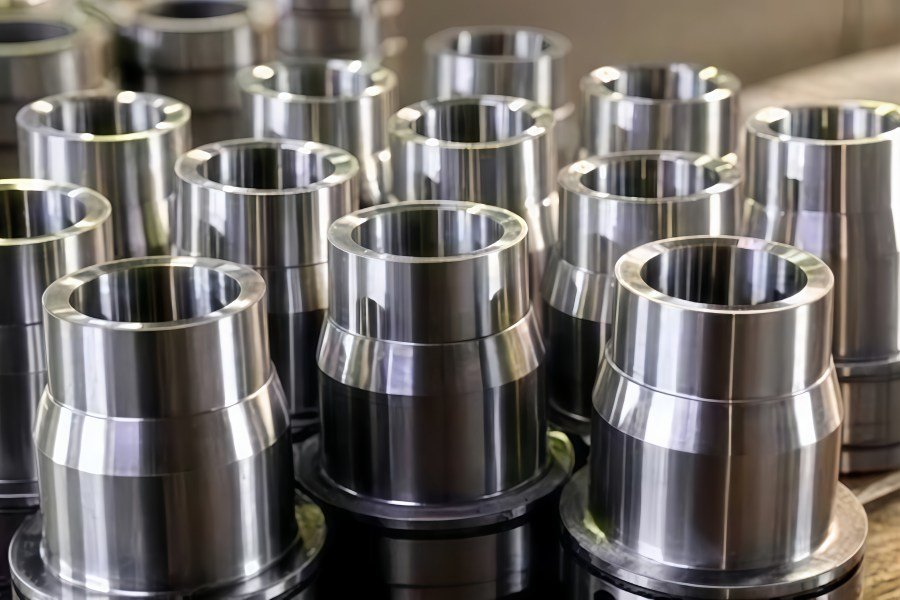
Many people first encounter titanium when comparing it against steel. Steel is cheap, abundant, and mechanically robust, so it is natural to ask two core questions: is titanium stronger than steel, and does titanium tarnish over time? These two search queries dominate organic traffic for titanium material content, and they reflect real pain points for designers, procurement specialists, and hobbyists choosing structural metals.
Titanium’s unique physical properties separate it from most common metals. Its melting point sits at approximately 1668°C, far higher than carbon steel and stainless steel. This high melting point makes titanium suitable for high-temperature service environments, though it also complicates machining and welding processes. What color is titanium in its raw, mill-finished state? Pure titanium metal has a silvery-grey metallic luster, similar to stainless steel, but its surface can develop thin oxide films that shift its appearance under certain conditions. This surface behavior is the source of widespread confusion about whether titanium tarnishes.
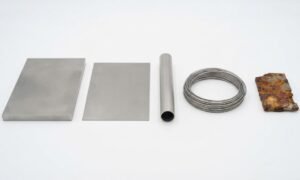
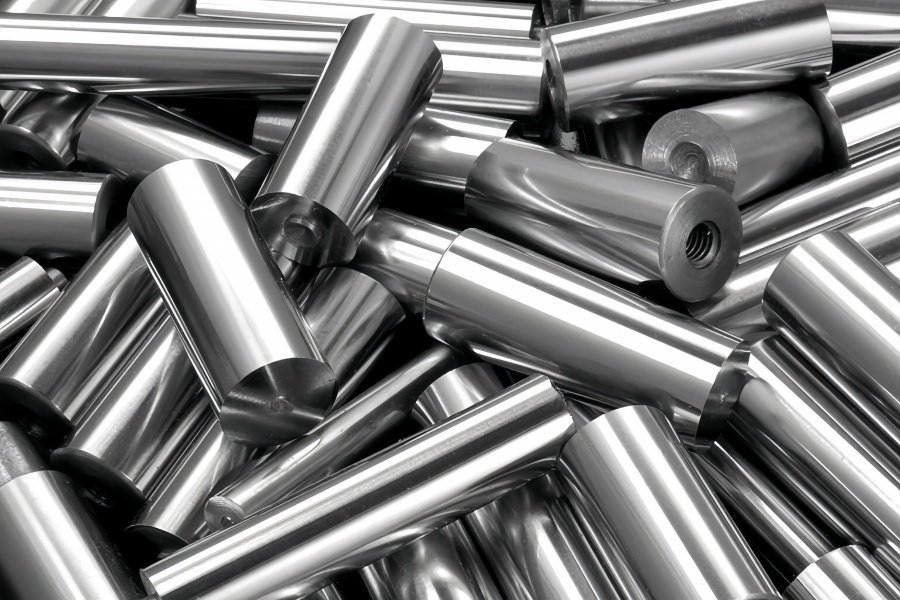
Titanium wire and titanium tubing leverage these material traits. Titanium wire is manufactured in spooled coils or straight cut lengths for welding, spring components, medical implants, and industrial fasteners. Titanium tubing, seamless or welded, is used in heat exchangers, chemical pipelines, and marine hardware because titanium resists chloride corrosion far better than stainless steel. Grade 2 titanium is the go-to alloy grade for these products when high ductility and corrosion resistance are prioritized over maximum tensile strength.
Is Titanium Stronger Than Steel? Absolute Strength vs Strength-to-Weight Ratio
To answer whether titanium is stronger than steel, we must separate two critical material metrics: absolute tensile strength and specific strength, also known as strength-to-weight ratio. This distinction is the most common source of misunderstanding when comparing titanium and steel.
Absolute tensile strength measures the maximum stress a material can withstand before fracture. If we compare raw absolute strength, many heat-treated high-strength steel alloys outperform titanium. Maraging steel, 4340 alloy steel, and hardened tool steel can reach ultimate tensile strengths above 1500 MPa. Grade 2 titanium, commercially pure titanium, has an ultimate tensile strength ranging from 345 MPa to 515 MPa. This is weaker than most structural steels. Even Grade 5 titanium alloy (Ti-6Al-4V), the strongest widely used titanium alloy, tops out around 1100 MPa, which still falls below ultra-high-strength steel grades.
However, titanium’s density is only 4.51 g/cm³, roughly 56% of steel’s 7.87 g/cm³ density. This low density changes the comparison completely. Strength-to-weight ratio divides tensile strength by material density. When evaluated this way, titanium outperforms nearly all steel alloys. For the same weight, titanium delivers higher structural strength. If you design a component with identical load requirements, a titanium part will weigh significantly less than its steel equivalent. This is why aerospace engineers select titanium for aircraft frames, engine components, and landing gear parts. Weight reduction directly cuts fuel consumption and improves payload capacity.
Yield strength is another essential comparison point. Yield strength describes the stress that causes permanent plastic deformation. Annealed Grade 2 titanium has a yield strength of about 275–380 MPa. Standard 316 stainless steel has yield strength around 205 MPa. This means Grade 2 titanium can resist permanent bending better than common annealed stainless steel, even though its absolute tensile strength is lower than hardened steel.
Hardness is not the same as strength. Hardness measures scratch and wear resistance. Most steel alloys can be heat-treated to achieve much higher hardness than titanium. Titanium will scratch more easily than hardened steel. This is a key limitation for applications requiring abrasive wear resistance. Steel is superior here, while titanium wins when weight savings and corrosion resistance are priorities.
So to summarize: titanium is not always stronger than steel in absolute breaking strength. But titanium has a superior strength-to-weight ratio. When weight reduction matters, titanium becomes the stronger material choice. For heavy, low-cost structural applications where weight is irrelevant, steel remains the more economical and stronger option.

Does Titanium Tarnish? Understanding Titanium Surface Oxidation
Now we address the second core question: does titanium tarnish? Tarnish is a surface discoloration phenomenon, most familiar on silver, brass, and copper. Traditional tarnish forms when metal reacts with sulfur, oxygen, or moisture to create a thick, loose corrosion layer that flakes off and degrades the base metal.
Titanium behaves differently. Titanium spontaneously forms an ultra-thin, inert titanium dioxide (TiO₂) oxide film the instant fresh titanium surface contacts oxygen, even at room temperature. This passive oxide layer is self-healing. If the surface gets scratched, the exposed titanium immediately reacts with oxygen to rebuild the protective film. This oxide layer is chemically stable, non-porous, and adheres tightly to the parent metal. It will not peel or flake like silver tarnish.
Under normal ambient conditions, pure titanium does not tarnish in the conventional sense. It will not turn black, green, or brown with exposure to air, humidity, or typical atmospheric contaminants. A polished titanium surface retains its silvery metallic finish for decades indoors and in marine environments. This is why titanium is popular for jewelry, marine fittings, and medical implants. Stainless steel can suffer pitting corrosion in saltwater; titanium remains protected by its passive oxide film.
That said, titanium can change color, and this is what causes many people to mistakenly describe the effect as tarnish. The thin TiO₂ film refracts light. As the oxide film thickness increases, light interference creates different visible colors: pale gold, blue, purple, and deep brown. This color shift is not corrosion damage. It is an optical effect. Two main processes create this color change: thermal oxidation and anodization.
Heating titanium in air builds up the oxide layer. At temperatures between 200°C and 600°C, titanium surfaces will develop interference colors. Welded titanium joints often show blue or purple heat tint after welding. This heat tint is a thicker oxide layer. While it is not destructive tarnish, excessively thick oxide layers can become brittle and reduce fatigue performance, so fabricators remove heavy heat tint after welding titanium wire or titanium tubing.
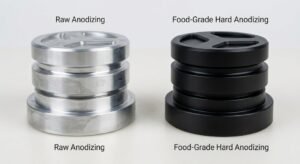
Anodization is a controlled industrial process used to intentionally adjust oxide film thickness to create consistent colors on titanium parts. This is widely used for titanium jewelry and decorative components. This colored finish is stable and protective, unlike tarnish on copper or silver.
In harsh chemical environments, titanium can corrode. Hot concentrated hydrochloric acid, hydrofluoric acid, or reducing environments can break down the passive oxide layer. In these rare cases, localized corrosion may occur, but this is not standard tarnish. Under standard atmospheric, freshwater, and saltwater conditions, titanium maintains its surface integrity without tarnishing.
To conclude: Titanium does not tarnish like silver or brass. It can develop color shifts from oxide film light interference, but this is not corrosive degradation. The passive TiO₂ layer protects the metal substrate.
Titanium Melting Point, Color and Other Key Physical Properties
Titanium’s melting point is 1668°C, an exceptionally high value for a structural metal. This high melting point stems from strong metallic bonding within titanium’s hexagonal close-packed crystal lattice. Compare this to mild steel, which melts around 1450°C. Stainless steel melting points sit roughly between 1400°C and 1530°C. Titanium’s higher melting point makes it suitable for elevated temperature applications, though engineers must note that titanium loses tensile strength rapidly above 400°C. High melting point does not equal high strength at high temperatures.
What color is titanium? Freshly machined pure titanium has a bright silvery-grey metallic color, visually similar to stainless steel. The difference becomes apparent when surface oxidation occurs. Polished titanium has a softer, less cool reflection than brushed stainless steel. Without anodization or heat exposure, raw titanium remains silver grey. The rainbow colors you see on titanium products are artificial, created by controlled thickening of the oxide film.
Grade 2 titanium is commercially pure titanium, with trace alloy impurities below 0.25% iron and 0.2% oxygen. It offers excellent weldability and formability, making it ideal for titanium wire and titanium tubing. Grade 2 titanium is the baseline titanium material for non-high-strength industrial applications. Higher oxygen grades, such as Grade 3 and Grade 4 titanium, gain higher tensile strength at the cost of reduced ductility. Grade 5 titanium adds aluminum and vanadium to achieve much higher strength, but it is harder to form and weld than Grade 2.
Titanium wire is produced by drawing titanium billets down through successive dies. Fine titanium wire finds use in mesh, medical sutures, and thermal spraying. Thicker titanium wire acts as welding filler metal for joining titanium components. Titanium tubing is available in seamless and welded variants. Seamless titanium tubing is preferred for high-pressure chemical and heat transfer systems, while welded titanium tubing serves lower-pressure marine and architectural projects.
Real-World Application: When to Choose Titanium Wire and Titanium Tubing Over Steel
Material selection always balances strength, weight, corrosion resistance, temperature tolerance, and cost. Steel wins for low-cost, heavy structural work: building frames, heavy machinery base plates, rail tracks. Steel is cheap, easy to machine, and widely available. But steel has critical weaknesses. It rusts in humid and saltwater environments, requiring paint or coating maintenance. Steel’s high density adds mass, which is a major drawback in aerospace, racing, and portable equipment.
Titanium wire and titanium tubing replace steel when corrosion resistance and low weight are essential. In desalination plants, titanium tubing handles saltwater without pitting corrosion, unlike stainless steel. Offshore marine hardware uses titanium wire fasteners that will not rust in ocean spray. Medical devices select Grade 2 titanium wire because titanium is biocompatible; the human body does not reject the passive titanium oxide layer.

Titanium’s main downside is cost. Titanium ore refinement, melting, and fabrication are far more expensive than steel production. Titanium is difficult to machine and weld because it reacts readily with oxygen, nitrogen, and hydrogen at high temperatures. Fabricating titanium wire and titanium tubing requires inert gas shielding during hot working. This manufacturing complexity pushes up component pricing.
Steel is the default for most general engineering. Titanium becomes a premium material reserved for applications where its unique combination of light weight, corrosion resistance, and high melting point delivers long-term value that offsets the higher purchase cost.
Frequently Asked Questions About Titanium Strength and Surface Appearance
Will titanium bend permanently under heavy load?
Yes. Titanium is ductile, especially Grade 2 titanium. If applied stress exceeds its yield strength, titanium wire or tubing will permanently deform. Titanium is not unbreakable. It has good toughness and resists brittle fracture better than many hardened steels.
Can titanium rust?
Rust is iron oxide. Titanium contains no iron, so it cannot form iron rust. Titanium can corrode in extreme chemical conditions, but it does not develop rust in normal atmospheric conditions.
Does titanium turn green on skin?
No. Green skin discoloration from metal jewelry comes from copper oxidation. Titanium contains no copper. Titanium jewelry will not stain skin green.
What is the difference between heat tint and tarnish?
Heat tint is a thin oxide interference color formed by heating titanium. Tarnish is a thick, chemically degraded corrosion layer. Heat tint is not destructive, though heavy heat tint may need removal after welding titanium wire or titanium tubing.
Final Thoughts: Titanium vs Steel, and Titanium Surface Behavior
So, is titanium stronger than steel? The answer depends entirely on your definition of strength and your design constraints. Steel can deliver higher absolute tensile strength and hardness at a lower cost. Titanium cannot beat hardened steel in raw breaking force. But titanium’s unmatched strength-to-weight ratio, low density, and natural corrosion resistance make it irreplaceable for many high-performance industries.
Does titanium tarnish? Titanium does not tarnish in the traditional sense. Its self-healing passive oxide film protects the base metal. Color changes on titanium are optical interference effects from varying oxide thickness, not corrosive tarnish damage.
When you evaluate titanium wire, titanium tubing, or Grade 2 titanium components, always consider titanium melting point, density, yield strength, and surface oxide behavior. These material properties explain why titanium remains a top choice for aerospace, medical, marine and chemical processing applications. Understanding these fundamentals helps engineers and buyers pick the correct metal for every project, choosing steel for low-cost heavy structures or titanium for lightweight, corrosion-resistant components.