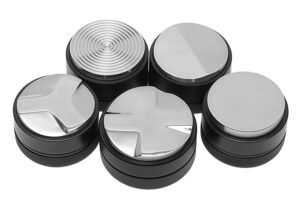
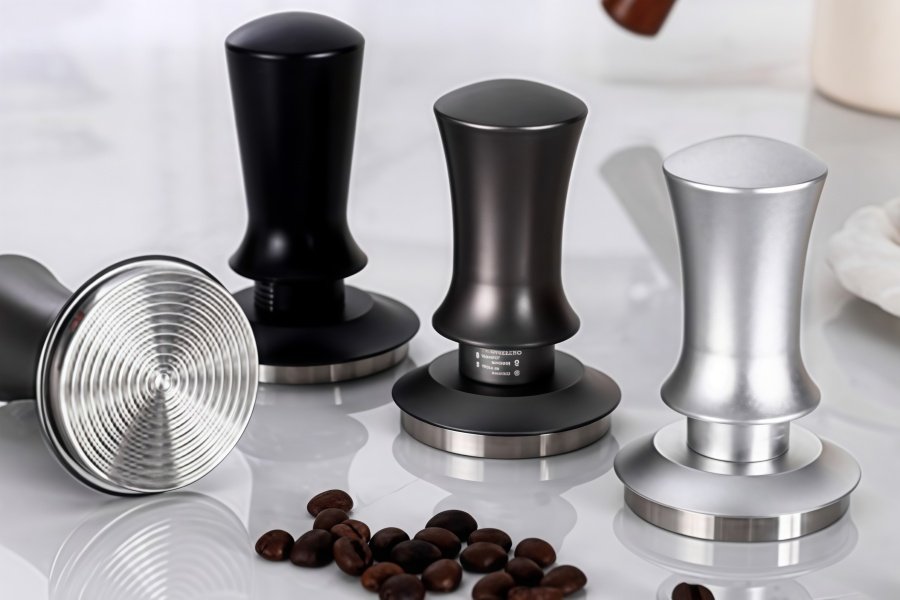
In the rapidly expanding premium coffee accessories market, the Coffee Distributor (also known as a Coffee Leveler) has transitioned from a niche barista tool to an essential standard for both home baristas and commercial specialty cafes.
However, as the market becomes increasingly saturated, many products look identical on the surface while prices vary drastically. For overseas B2B buyers, Amazon FBA sellers, or global coffee chains, sourcing cheap, low-end “off-the-shelf” commodities often leads to high return rates, rust complaints, and negative reviews that can destroy a brand’s reputation.
To build a sustainable premium brand, you must look beyond the exterior. Here is a manufacturing-focused hardware guide on how to evaluate and source high-quality coffee distributors that boast high-margin potential and five-star review retention.
1. Surface Roughness (Ra Value) & Food-Grade Compliance
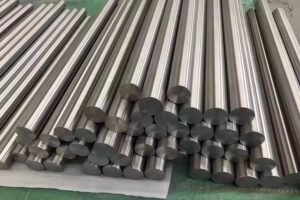
The Material Standard: The base must be crafted from certified food-grade SUS304 or SUS316 stainless steel. Low-end manufacturers often use non-food-grade alloys or zinc-alloy plating to cut costs. In the highly acidic and humid environment of espresso brewing, these subpar metals easily oxidize, rust, and risk chemical leaching—triggering severe compliance issues in strict overseas markets (such as FDA or LFGB regulations).
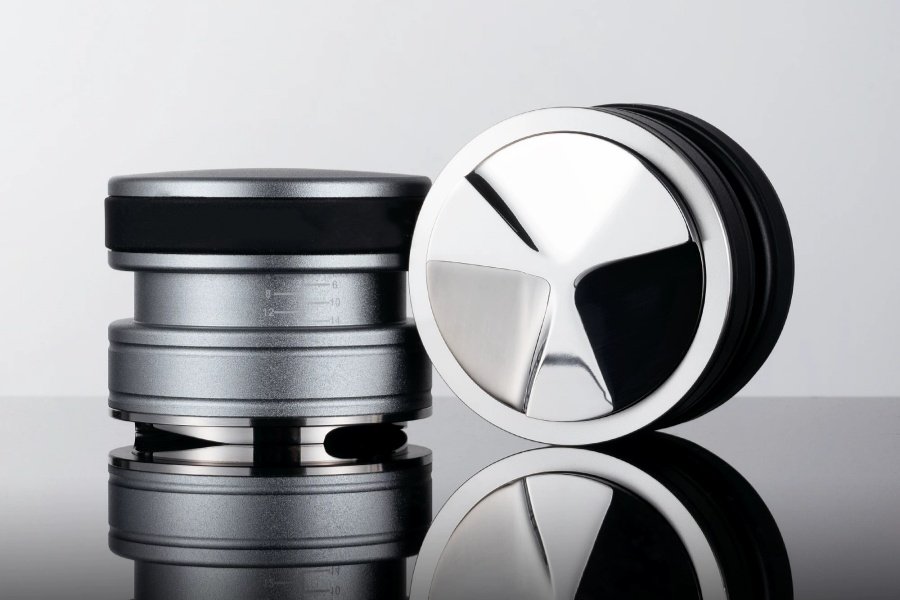
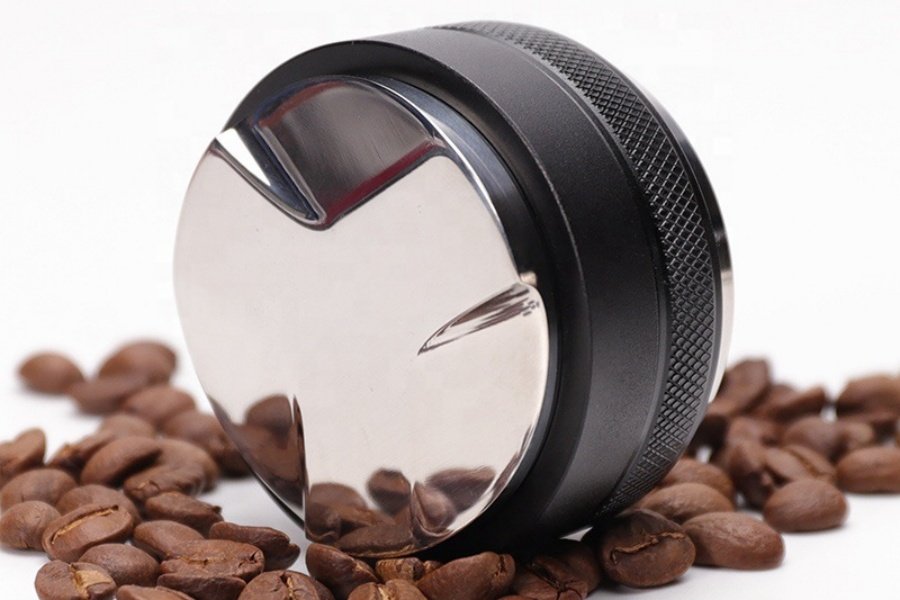
The Secret of Surface Roughness (Ra Value): After high-precision CNC turning, a premium distributor base must undergo rigorous polishing to achieve a mirror finish (recommended Ra ≤ 0.2μm) or be treated with a food-safe DLC (Diamond-Like Carbon) / Titanium coating.
Solving Buyer Pain Points: If the surface is rough, coffee grounds will stubbornly stick to the blades during rotation. This leads to uneven distribution and prompts overseas customers to leave damaging reviews like “Easily sticks to coffee grounds” or “Hard to clean.”
h6 Tolerances & Dual-Ring Anti-Backlash Locking
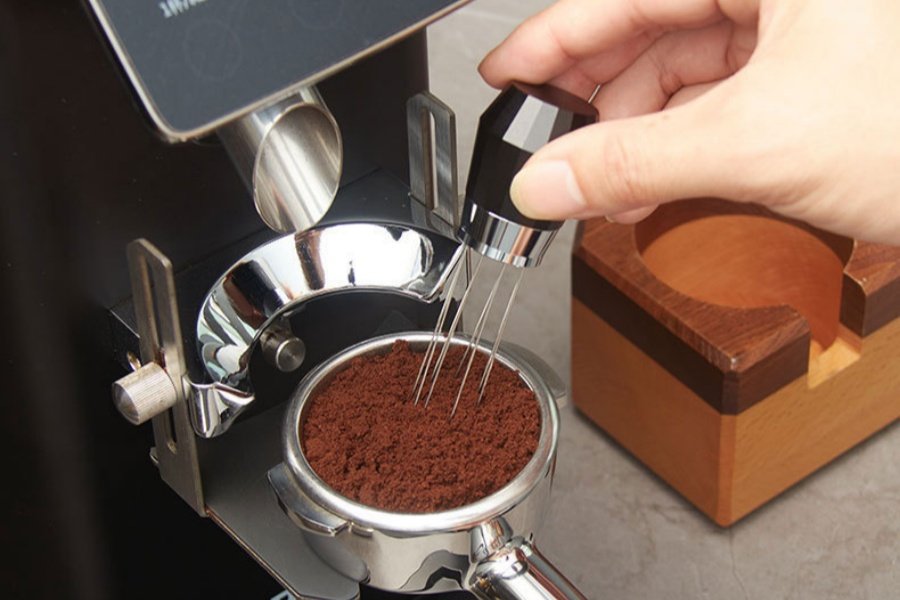
To accommodate different basket capacities (e.g., 18g vs. 22g) and varying basket depths, a distributor must feature an adjustable depth mechanism. This functionality is the ultimate test of a factory’s precision thread-machining capabilities.
Damping & Thread Tolerances: A premium leveler should offer a smooth, tactile damping sensation when adjusting the depth, with zero rattling or harsh metal-on-metal friction. This requires a tight, h6-level engineering tolerance fit between the inner and outer threads
Micro-Adjustments & Laser Etching: Professional-grade distributors feature precise, laser-etched scale lines incremented by 0.1mm. Because baristas use these tools hundreds of times a day, high-end models utilize a Dual-Ring Anti-Backlash Locking System.
The Sourcing Dealbreaker: If the locking mechanism is loose, the tool will micro-shift under the constant vibration and twisting of daily bar operations. For B2B buyers chasing extraction consistency, an unstable depth means a defective product.
Size Compatibility: Moving Beyond the “58mm” Misconception
One of the most common causes of post-purchase returns and disputes in cross-border B2B sourcing is incorrect sizing.
The Reality of the 58mm Industry Standard: While most commercial portafilters are colloquially called “58mm,” the actual inner diameter of premium precision baskets (such as La Marzocco, E61 group heads, VST, or IMS baskets) typically measures between 58.3mm and 58.5mm.
The Value of Precision Fit: If your distributor base is machined to a conservative 58.0mm, it will leave an outer ring of loose, un-leveled coffee powder along the edge of the basket. This uneven density directly triggers severe “channeling effects” during extraction.
A Mature Supplier’s Capability: A sophisticated hardware manufacturer must be able to provide a comprehensive range of highly precise sizes—such as 58.35mm, 58.5mm, and 53.3mm (for Sage/Breville 54mm portafilters)—ensuring a flawless, zero-play fit with global premium basket brands.
| Evaluation Core | Premium B2B Standard (High-End / Custom) | Commodity Grade (Low-End / Price War) |
| Base Material | Food-Grade SUS304 / SUS316 Stainless Steel | Subpar Stainless Steel or Zinc Alloy |
| Machining Process | 100% CNC Multi-Axis Precision Turning & Milling | Die-Casting or Basic Manual Lathe Machining |
| Adjustment & Locking | Dual-Ring Thread Lock / Laser-Etched Micro-Scales | Relies on Cheap Rubber O-Rings (Prone to Aging) |
| Fit & Tolerances | Specialized 58.35mm / 58.5mm Exact Fits | Generically Loose 58.0mm Base Size |
Why Partner with XML Tech for Your Coffee Accessories Supply Chain?
As an established, all-around hardware manufacturer and original source factory, XML Tech doesn’t just cut metal—we understand the intersection of industrial engineering, modern aesthetics, and coffee extraction science.
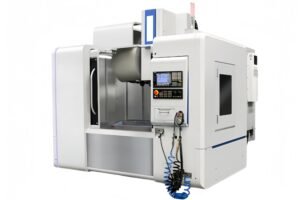
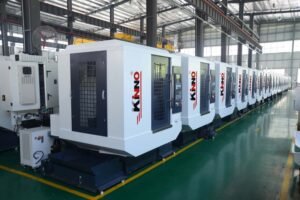
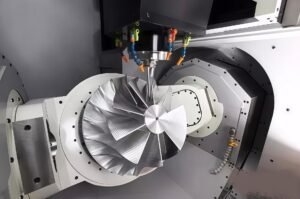
End-to-End CNC Manufacturing: From the flawless anodization of aluminum handles to the mirror-polishing of stainless steel bases, all operations are completed in-house via advanced CNC machining centers. This guarantees absolute batch-to-batch consistency.
Low-MOQ Brand Customization: We offer highly flexible OEM/ODM solutions tailored for Amazon private labels and independent Shopify stores. This includes high-fidelity fiber laser logo engraving, custom anodized colorways, and eco-friendly, retail-ready packaging.
Multi-Material Integration: Beyond high-precision metals, we specialize in seamlessly fusing premium hardware with luxury woods (such as North American Walnut and Rosewood), giving your product line a distinctive aesthetic and tactile edge over competitors.
Ready to elevate your coffee accessory brand with premium market margins and top-tier user reviews? As a full-range supplier, we also manufacture premium custom coffee tampers to complete your product line. Contact our engineering and sales team today to request our latest Precision Coffee Accessories Catalog or to arrange a free sample evaluation.